
أصدر مدعي عام طهران علي صالحي تحذيراً صارماً، اليوم الجمعة، للمشاركين في الاحتجاجات والاضطرابات المتواصلة في إيران منذ أواخر ديسمبر 2025، مؤكداً أن أي شخص يتسبب في أضرار بالممتلكات العامة أو يواجه قوى إنفاذ القانون والأمن سيواجه عقوبة الإعدام بتهمة «محاربة الله» أو «شن الحرب على الدولة».
ونقلت وسائل إعلام إيرانية رسمية عن صالحي قوله إن «الخط الأحمر للنظام القضائي هو أمن مواطني البلاد، سيكون نهجنا مع الإرهابيين رادعاً، والعقوبة لهم ستكون عقوبة شن الحرب على الدولة».
وأضاف أن الرد سيكون «حاسماً وسريعاً»، مشدداً على أن أي عمل يستهدف قوات الأمن أو يتضمن تخريباً أو حرقاً للممتلكات العامة سيُصنف كمحاربة، وهي جريمة ينص القانون الإيراني على أن عقوبتها «الإعدام شنقاً» في الغالب.
يأتي هذا التصعيد القضائي في وقت تشهد فيه البلاد موجة احتجاجات واسعة النطاق، بدأت اقتصادية بسبب انهيار الريال وارتفاع التضخم، ثم تحولت سريعاً إلى مطالب سياسية مناهضة للنظام، مع دعوات من رضا بهلوي نجل الشاه المخلوع لمظاهرات حاشدة يوم 8 و9 يناير.
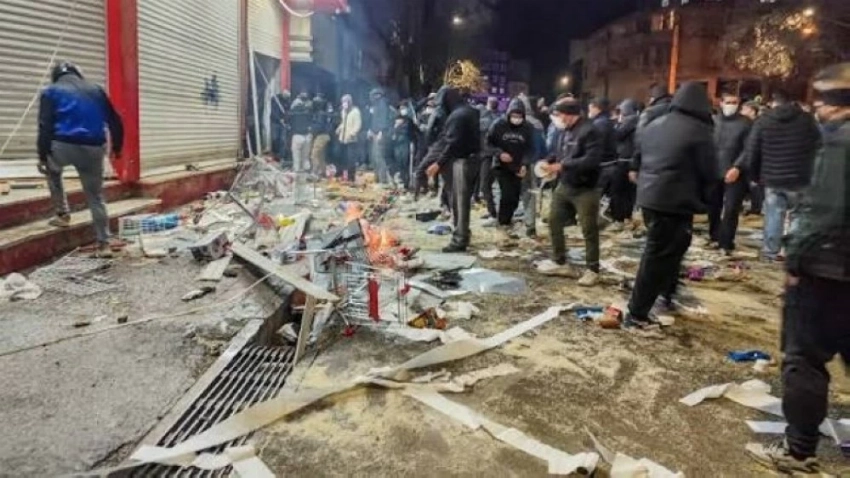
وشهدت الاحتجاجات مواجهات عنيفة، بما في ذلك حرق ممتلكات عامة ومركبات، وأسفرت حتى الآن عن مقتل عشرات المتظاهرين واعتقال آلاف، وفق تقارير منظمات حقوقية.

وجريمة «محاربة الله» في إيران هي مصطلح فقهي إيراني يعني «شن الحرب على الله والدولة»، ويُطبق على أعمال العنف المسلح أو التخريب الذي يُعتبر تهديداً لأمن النظام، إذ تنص المادة 279 من قانون العقوبات الإسلامي على عقوبة الإعدام، الصليب، القطع، النفي، أو السجن المؤبد لكن الإعدام هو الأكثر شيوعاً في الحالات السياسية.
واستخدمت السلطات هذه التهمة بشكل واسع خلال احتجاجات 2009 الحركة الخضراء، 2017–2019، وأبرزها احتجاجات «المرأة، الحياة، الحرية» 2022، إذ أُعدم أشخاص عدة بتهمة المحاربة مثل مجيد رضا رهنورد ومحسن شكاري.
The Tehran Prosecutor Ali Salahi issued a stern warning today, Friday, to participants in the ongoing protests and unrest in Iran since late December 2025, emphasizing that anyone causing damage to public property or confronting law enforcement and security forces will face the death penalty on charges of "waging war against God" or "waging war against the state."
Iranian state media reported Salahi as saying, "The red line for the judicial system is the security of the country's citizens; our approach to terrorists will be deterrent, and the punishment for them will be the punishment for waging war against the state."
He added that the response would be "decisive and swift," stressing that any act targeting security forces or involving vandalism or arson of public property will be classified as waging war, a crime for which Iranian law stipulates the punishment of "hanging" in most cases.
This judicial escalation comes at a time when the country is witnessing a wave of widespread protests, initially sparked by economic issues due to the collapse of the rial and rising inflation, which quickly transformed into political demands against the regime, with calls from Reza Pahlavi, the son of the ousted Shah, for mass demonstrations on January 8 and 9.
The protests have seen violent clashes, including the burning of public property and vehicles, resulting so far in the deaths of dozens of protesters and the arrest of thousands, according to reports from human rights organizations.
The crime of "waging war against God" in Iran is a jurisprudential term meaning "waging war against God and the state," applied to acts of armed violence or sabotage considered a threat to the security of the regime. Article 279 of the Islamic Penal Code stipulates the death penalty, crucifixion, amputation, exile, or life imprisonment, but execution is the most common in political cases.
The authorities have widely used this charge during the 2009 Green Movement protests, 2017–2019, and notably during the "Women, Life, Freedom" protests in 2022, where several individuals were executed on charges of waging war, such as Majid Reza Rahnavard and Mohsen Shekari.
ملحوظة: مضمون هذا الخبر تم كتابته بواسطة عكاظ ولا يعبر عن وجهة نظر مصر اليوم وانما تم نقله بمحتواه كما هو من عكاظ ونحن غير مسئولين عن محتوى الخبر والعهدة علي المصدر السابق ذكرة.
