

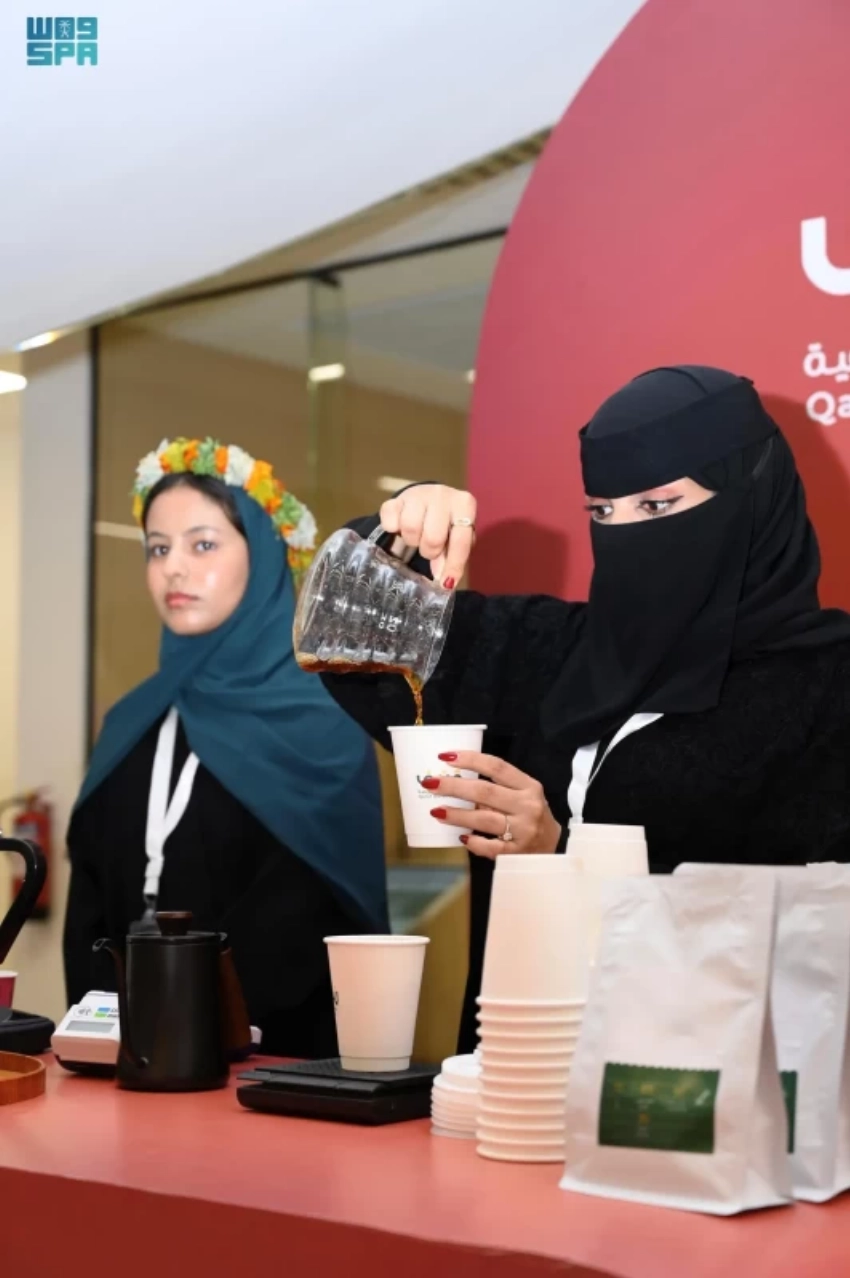
من «الحبة» إلى «الفنجان».. استعرض شبان وشابات أسرار «القهوة المختصة» في ملتقى «أدب وقهوة» الذي نظمه بيت الثقافة في جازان
وقدم الشبان والشابات نماذج حيّة لفنون التحضير وأساليب التقديم، وتعرّف الزوّار على مدارس مختلفة في تحميص البن وطرق الاستخلاص، إلى جانب مفاهيم الجودة والعناية بالتفاصيل، التي باتت تشكّل جوهر ثقافة القهوة وتعبّر عن تحوّلها من مشروبٍ يومي إلى تجربةٍ معرفية وثقافية، وأتاحت الفعالية للزوّار فهمًا أعمق لمسار القهوة، وما يرتبط بها من مهارات وتقنيات.
ومن بين المشاركين، برز عدد من الشباب والفتيات الذين وجدوا في عالم القهوة مساحةً لتطوير مهاراتهم إلى جانب تخصصاتهم الأكاديمية والمهنية المختلفة، بعد تلقيهم دوراتٍ تدريبية متخصصة، ليواصلوا ممارسة العمل في إعداد القهوة والمشاركة في الفعاليات الثقافية، في نموذجٍ يعكس تنامي الاهتمام بثقافة القهوة المختصة في المنطقة.
يمثل البُن السعودي أحد أهم المنتجات الزراعية الوطنية ذات القيمة الثقافية والاجتماعية والاقتصادية، وتُولي المملكة اهتمامًا خاصًا بالبن بوصفه رمزًا للإرث وركيزة واعدة لتنمية المناطق الريفية وتوفير فرص اقتصادية مستدامة للمزارعين. وتنتشر زراعة البن في السعودية على مرتفعات جبال المناطق الجنوبية الغربية والجنوبية، بفضل طبيعة مناخها وخصوبة تربتها، ما يمنحها جودة عالية ومذاقًا مميزًا، كما يختلف أسلوب تحضير القهوة في مناطق المملكة، ولكل منطقة طريقة لتحضير القهوة. في المناطق الشمالية، تتميز بالحمصة الداكنة، مع إضافة الهيل ما يمنحها نكهة خاصة، فيما تُحضّر بالمنطقة الجنوبية مُعتمِدة على حمصة البُن الفاتحة، ويضاف إليها الزنجبيل والزعفران، والقرفة، والقرنفل، وفي الشرقية والغربية والمنطقة الوسطى، يتم إعدادها بالحمصة المتوسطة، ويضاف إليها الهيل والزعفران. وأوضحت وزارة البيئة والمياه والزراعة، أن مناطق جازان، عسير، الباحة، مكة المكرمة، نجران تحتضن ما يتجاوز 1.3 مليون شجرة بُن مثمرة، تنتج أكثر من 870 طنًا من البُن الصافي سنويًا
وفي منطقة جازان عدد أشجار البُن المثمرة يتجاوز 966 ألف شجرة مثمرة، لتُنتج أكثر من 642 طنًا من البُن الصافي، تليها منطقة عسير بأكثر من 243 ألف شجرة مُثمرة، لتُنتج أكثر من (175 طنًا من البُن الصافي)
From "the bean" to "the cup".. Young men and women showcased the secrets of "specialty coffee" at the "Literature and Coffee" forum organized by the House of Culture in Jazan
Young men and women presented live examples of preparation techniques and serving methods, allowing visitors to learn about different schools of coffee roasting and extraction methods, alongside concepts of quality and attention to detail, which have become the essence of coffee culture and express its transformation from a daily drink to a cognitive and cultural experience. The event provided visitors with a deeper understanding of the coffee journey and the skills and techniques associated with it.
Among the participants, a number of young men and women stood out, finding in the world of coffee a space to develop their skills alongside their various academic and professional specializations, after receiving specialized training courses. They continue to work in coffee preparation and participate in cultural events, reflecting the growing interest in specialty coffee culture in the region.
Saudi coffee represents one of the most important national agricultural products with cultural, social, and economic value. The Kingdom pays special attention to coffee as a symbol of heritage and a promising pillar for rural development and providing sustainable economic opportunities for farmers. Coffee cultivation in Saudi Arabia is spread across the highlands of the southwestern and southern regions, thanks to its climatic nature and fertile soil, which gives it high quality and a distinctive taste. The method of coffee preparation varies across the regions of the Kingdom, with each area having its own way of preparing coffee. In the northern regions, it is characterized by dark roasting, with the addition of cardamom, giving it a special flavor, while in the southern region, it is prepared using light roasted beans, with the addition of ginger, saffron, cinnamon, and cloves. In the eastern, western, and central regions, it is prepared with medium roasting, with cardamom and saffron added. The Ministry of Environment, Water, and Agriculture stated that the regions of Jazan, Asir, Al-Baha, Makkah, and Najran host more than 1.3 million productive coffee trees, producing over 870 tons of pure coffee annually.
In the Jazan region, the number of productive coffee trees exceeds 966 thousand, producing more than 642 tons of pure coffee, followed by the Asir region with more than 243 thousand productive trees, yielding over 175 tons of pure coffee.
ملحوظة: مضمون هذا الخبر تم كتابته بواسطة عكاظ ولا يعبر عن وجهة نظر مصر اليوم وانما تم نقله بمحتواه كما هو من عكاظ ونحن غير مسئولين عن محتوى الخبر والعهدة علي المصدر السابق ذكرة.