
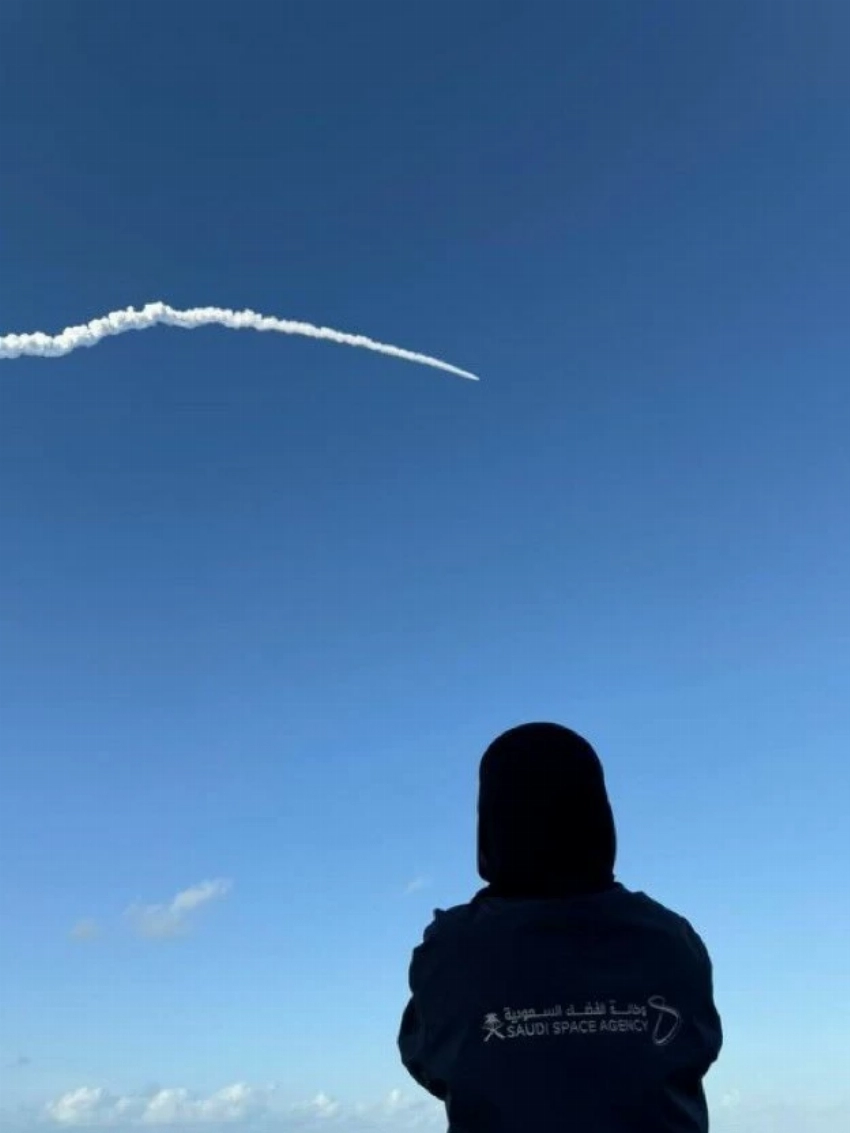
أعلنت وكالة الفضاء السعودية اليوم نجاح الإطلاق والتواصل مع القمر الصناعي السعودي «شمس»، الذي انطلق على متن مركبة نظام الإطلاق الفضائي (SLS) ضمن مهمة «أرتميس 2»، لتسجل المملكة بذلك حضورها أول دولة عربية تطلق مهمة فضائية ضمن برنامج «أرتميس» التاريخي، الذي يهدف إلى تسريع وتيرة الابتكار العلمي وترسيخ شراكات دولية نوعية تسهم في تشكيل مستقبل الفضاء لأجل البشرية.
وتعد مهمة «أرتميس 2» المرحلة الثانية من برنامج «أرتميس» الذي تقوده الإدارة الوطنية للملاحة الجوية والفضاء (ناسا) بمشاركة دولية واسعة، وتهدف إلى إعادة الإنسان إلى محيط القمر للمرة الأولى منذ أكثر من 5 عقود، تمهيداً لمهمات مستقبلية نحو المريخ.
وتحمل المهمة طاقماً مكوناً من 4 رواد فضاء في أول رحلة مأهولة تدور حول القمر، على متن مركبة «أوريون» التي تدفعها مركبة نظام الإطلاق الفضائي (SLS) أقوى مركبة إطلاق تم تشغيلها ضمن مهمة حتى الآن في تاريخ الفضاء، وتحمل على متنها القمر الصناعي السعودي «شمس» بوصفه إحدى الحمولات العلمية المصاحبة.
وسينتقل القمر الصناعي «شمس» إلى مدار بيضاوي عالٍ (HEO)، يبعد عن الأرض مسافة تتراوح بين 500 كيلومتر إلى 70 ألف كيلومتر تقريباً، يتيح تغطية واسعة لرصد تأثيرات النشاط الشمسي والإشعاعي، بما يعزز دراسات طقس الفضاء، ويوفر بيئة علمية متقدمة، ويدعم التطبيقات الحيوية المرتبطة به.
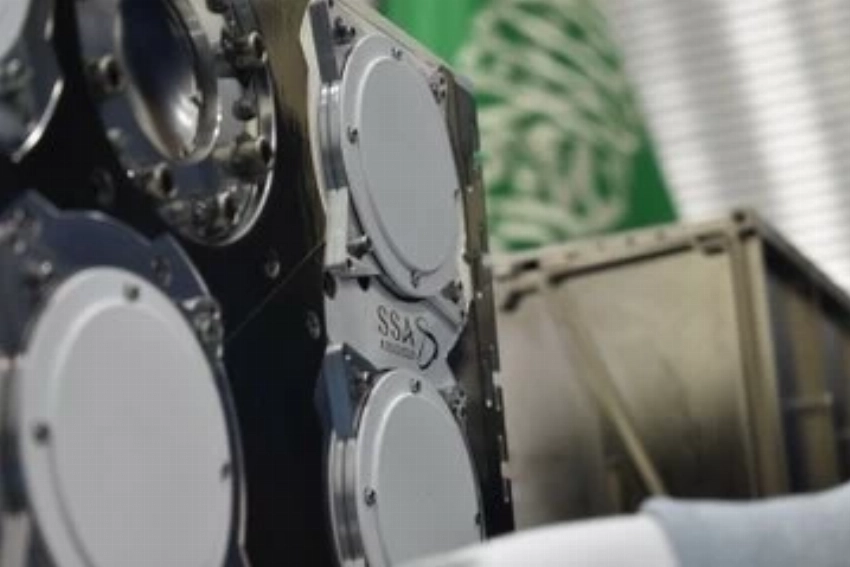
ويعد «شمس» إنجازاً متعدد الأوائل؛ إذ يمثل أول مهمة عربية تطلق إلى الفضاء ضمن برنامج «أرتميس»، وأول مهمة وطنية متخصصة في رصد طقس الفضاء، بما يؤكد تقدماً في القدرات الوطنية في التقنيات الفضائية المتقدمة، حيث طُور داخل المملكة بكفاءات وطنية، بدعم من مبادرات برنامج تطوير الصناعة الوطنية والخدمات اللوجستية، أحد برامج تحقيق رؤية المملكة 2030.
ويهدف القمر الصناعي «شمس» إلى دراسة طقس الفضاء ورصد تأثيرات النشاط الشمسي والإشعاعي على الأرض عبر 4 محاور علمية متنوعة، تشمل الإشعاعات الفضائية، والأشعة السينية الشمسية، والمجال المغناطيسي للأرض، والجسيمات الشمسية عالية الطاقة.
وتسهم هذه المهمة العلمية في تعزيز موثوقية واستدامة القطاعات الحيوية المرتبطة بالفضاء، مثل الاتصالات والطيران والملاحة، من خلال توفير بيانات علمية تمكّن الجهات المعنية من رفع الجاهزية التشغيلية وتعزيز أمن البنية التحتية التقنية التي يعتمد عليها العالم في حياته اليومية.
وقال الرئيس التنفيذي المكلف لوكالة الفضاء السعودية الدكتور محمد بن سعود التميمي: «إن ما تحقق اليوم هو ثمرة الدعم غير المحدود الذي يحظى به قطاع الفضاء من خادم الحرمين الشريفين الملك سلمان بن عبدالعزيز آل سعود، وولي عهده الأمين، الذي أسهم في تمكين الكفاءات الوطنية وتعزيز قدراتها للمشاركة في أبرز المهمات الفضائية العالمية»، مشيراً إلى أن هذا الإنجاز يجسد ما وصلت إليه المملكة من تقدم علمي وتقني في ظل رؤية المملكة 2030، ويعكس دورها الفاعل في تطوير التقنيات المتقدمة، والإسهام في تشكيل مستقبل الفضاء لأجل البشرية.
من جانبه أوضح الرئيس التنفيذي لبرنامج تطوير الصناعة الوطنية والخدمات اللوجستية المهندس جميل بن أحمد الغامدي أن تطوير القمر الصناعي «شمس» داخل المملكة يجسد أثر مبادرات البرنامج في توطين التقنيات المتقدمة وبناء قدرات صناعية وطنية تنافسية، مؤكداً أن هذا الإنجاز يعكس تكامل الجهود الوطنية في تمكين الكفاءات وتعزيز المحتوى المحلي، بما يدعم مستهدفات رؤية المملكة 2030.
وأكدت وكالة الفضاء السعودية أن هذا الإنجاز يجسد رؤية المملكة بتعزيز الابتكار وتنمية القدرات الوطنية وبناء شراكات دولية نوعية، بما يسهم في ترسيخ دورها في مستقبل استكشاف الفضاء.
The Saudi Space Agency announced today the successful launch and communication with the Saudi satellite "Shams," which was launched aboard the Space Launch System (SLS) vehicle as part of the "Artemis 2" mission. This marks the Kingdom's presence as the first Arab country to launch a space mission within the historic "Artemis" program, which aims to accelerate the pace of scientific innovation and establish high-quality international partnerships that contribute to shaping the future of space for humanity.
The "Artemis 2" mission is the second phase of the "Artemis" program led by the National Aeronautics and Space Administration (NASA) with extensive international participation. It aims to return humans to the vicinity of the Moon for the first time in over 5 decades, paving the way for future missions to Mars.
The mission carries a crew of 4 astronauts on the first crewed flight orbiting the Moon, aboard the "Orion" spacecraft, propelled by the Space Launch System (SLS), the most powerful launch vehicle ever operated in a mission to date in space history. It also carries the Saudi satellite "Shams" as one of the accompanying scientific payloads.
The "Shams" satellite will move to a high elliptical orbit (HEO), approximately 500 kilometers to 70,000 kilometers away from Earth, allowing for extensive coverage to monitor the effects of solar and radiative activity, enhancing space weather studies, providing an advanced scientific environment, and supporting vital applications related to it.
"Shams" is a multi-first achievement; it represents the first Arab mission launched into space within the "Artemis" program and the first national mission specialized in monitoring space weather, confirming progress in national capabilities in advanced space technologies, developed within the Kingdom by national competencies, supported by initiatives from the National Industrial Development and Logistics Program, one of the programs aimed at achieving Saudi Vision 2030.
The "Shams" satellite aims to study space weather and monitor the effects of solar and radiative activity on Earth through 4 diverse scientific axes, including space radiation, solar X-rays, Earth's magnetic field, and high-energy solar particles.
This scientific mission contributes to enhancing the reliability and sustainability of vital sectors related to space, such as communications, aviation, and navigation, by providing scientific data that enable relevant authorities to improve operational readiness and enhance the security of the technological infrastructure that the world relies on in daily life.
The acting CEO of the Saudi Space Agency, Dr. Mohammed bin Saud Al-Tamimi, stated: "What has been achieved today is the fruit of the unlimited support that the space sector receives from the Custodian of the Two Holy Mosques, King Salman bin Abdulaziz Al Saud, and his trustworthy Crown Prince, who have contributed to empowering national competencies and enhancing their capabilities to participate in the most prominent global space missions." He pointed out that this achievement embodies the scientific and technical progress the Kingdom has reached under Saudi Vision 2030 and reflects its active role in developing advanced technologies and contributing to shaping the future of space for humanity.
For his part, the CEO of the National Industrial Development and Logistics Program, Engineer Jamil bin Ahmed Al-Ghamdi, explained that developing the "Shams" satellite within the Kingdom embodies the impact of the program's initiatives in localizing advanced technologies and building competitive national industrial capabilities, emphasizing that this achievement reflects the integration of national efforts in empowering competencies and enhancing local content, supporting the objectives of Saudi Vision 2030.
The Saudi Space Agency confirmed that this achievement embodies the Kingdom's vision of enhancing innovation, developing national capabilities, and building high-quality international partnerships, contributing to solidifying its role in the future of space exploration.
ملحوظة: مضمون هذا الخبر تم كتابته بواسطة عكاظ ولا يعبر عن وجهة نظر مصر اليوم وانما تم نقله بمحتواه كما هو من عكاظ ونحن غير مسئولين عن محتوى الخبر والعهدة علي المصدر السابق ذكرة.