

تابع قناة عكاظ على الواتساب
لم تعد البنوك المركزية اليوم تواجه معضلتها الكلاسيكية بين كبح التضخم ودعم النمو؛ إذ تقف أمام صدمة مختلفة في طبيعتها، أكثر تعقيدًا وأقل قابلية للاحتواء بالأدوات التقليدية. ما نشهده حاليًا ليس مجرد ارتفاع دوري في الأسعار، وإنما صدمة عرض تقودها الطاقة وسلاسل الإمداد والتوترات الجيوسياسية، وهي صدمة تعيد رسم حدود فعالية السياسة النقدية نفسها.
في الأدبيات الاقتصادية التقليدية، يُنظر إلى رفع أسعار الفائدة كأداة رئيسية لاحتواء التضخم عبر تقليص الطلب الكلي، لكن هذه الآلية تفترض ضمنًا، أن التضخم ناتج عن طلب مفرط. أما في الحالة الراهنة، فإن جزءًا كبيرًا من التضخم مدفوع بارتفاع تكاليف الإنتاج، وعلى رأسها أسعار النفط والنقل والتأمين. وهنا تكمن الإشكالية، حيث إن رفع الفائدة لا يخفض أسعار النفط، ولا يعيد فتح الممرات التجارية، ولا يقلل المخاطر الجيوسياسية، لكنه في المقابل يضغط على الاستثمار، ويكبح الاستهلاك، ويضعف النمو الاقتصادي.
هذه المفارقة تضع صانعي السياسة النقدية أمام معادلة مربكة، كون أدواتهم التقليدية لا تعالج أصل المشكلة، لكنها تظل ضرورية لمنع تفاقمها. ومن هذا المنطلق، فإن توصيف الوضع على أنه «عجز» في السياسة النقدية قد يكون تسطيحًا مخلًا. الأدق هو القول، إن وظيفة هذه السياسة قد تغيّرت من السعي إلى حل الأزمة، إلى إدارة تداعياتها ومنع تحولها إلى أزمة أعمق وأكثر استدامة.
الخطر الحقيقي يكمن في انتقال هذا الارتفاع إلى توقعات التضخم. حين تبدأ الشركات في إعادة تسعير منتجاتها بناءً على افتراض استمرار التضخم، وتطالب العمالة برفع الأجور لتعويض تآكل القوة الشرائية، يدخل الاقتصاد في حلقة تضخمية يصعب كسرها. هنا يصبح رفع الفائدة، رغم محدودية تأثيره المباشر على أسباب الصدمة، أداة ضرورية لكبح هذه التوقعات والحفاظ على مصداقية البنك المركزي.
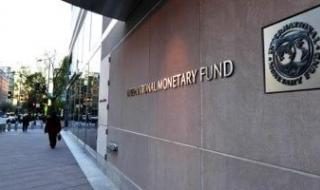
تقارير صندوق النقد الدولي تشير إلى أن جزءًا متزايدًا من التضخم العالمي في السنوات الأخيرة يعود إلى صدمات عرض مرتبطة بالطاقة والتجارة، فيما يؤكد بنك التسويات الدولي، أن التحدي الأكبر أمام البنوك المركزية لم يعد في تشخيص التضخم، بل في منع ترسخه في سلوك الأسواق. كذلك، توضح خطابات البنك الفيدرالي والبنك المركزي الأوروبي، أن صانعي القرار باتوا يركزون بشكل متزايد على إدارة التوقعات، حتى وإن جاء ذلك على حساب تباطؤ النمو.
ما نعيشه اليوم هو انتقال من اقتصاد تحكمه الدورات الاقتصادية إلى اقتصاد تحكمه الصدمات. في النموذج الأول، كانت السياسة النقدية قادرة إلى حد كبير على تهدئة التقلبات عبر ضبط تكلفة التمويل. أما في النموذج الثاني، فإن الصدمات تأتي من خارج المنظومة الاقتصادية كالحروب، واختناقات لوجستية، واضطرابات في الطاقة، وهنا تصبح السياسة النقدية في موقع رد الفعل، لا الفعل.
ضمن هذا السياق، تتغيّر طبيعة القرار الاقتصادي، فلم يعد السؤال: «ما هو الخيار الأمثل؟»، ولكن «ما هو أقل الخيارات تكلفة على المدى المتوسط؟». رفع الفائدة قد يحد من التضخم، لكنه يزيد من مخاطر الركود، والتساهل قد يدعم النمو مؤقتًا، لكنه يهدد بفقدان السيطرة على الأسعار. النتيجة هي ما يمكن تسميته بـ«إدارة الخسائر»، حيث تسعى البنوك المركزية إلى توزيع الأثر السلبي عبر الزمن بدلًا من القضاء عليه.
هذا التحوّل يحمل دلالات أعمق. فهو يشير إلى أن أدوات السياسة الاقتصادية التي صُممت لعالم مستقر نسبيًا لم تعد كافية لعالم تسوده الصدمات المتكررة. كما يطرح تساؤلات حول الحاجة إلى تنسيق أكبر بين السياسة النقدية والسياسات الأخرى، خاصة المالية وسياسات الطاقة، لمعالجة جذور الأزمات بدل الاكتفاء باحتواء أعراضها، وخاصة في عالم تتسارع فيه الصدمات، قد يكون أكبر إنجاز للبنوك المركزية منع الانزلاق إلى فوضى اقتصادية يصعب الخروج منها عوضاً عن تحقيق الاستقرار الكامل.
Central banks today no longer face their classical dilemma between curbing inflation and supporting growth; instead, they are confronted with a shock that is different in nature, more complex, and less manageable with traditional tools. What we are currently witnessing is not just a cyclical rise in prices, but a supply shock driven by energy, supply chains, and geopolitical tensions, a shock that redraws the boundaries of the effectiveness of monetary policy itself.
In traditional economic literature, raising interest rates is viewed as a key tool for containing inflation by reducing aggregate demand, but this mechanism implicitly assumes that inflation is the result of excessive demand. However, in the current situation, a significant portion of inflation is driven by rising production costs, primarily the prices of oil, transportation, and insurance. Herein lies the problem, as raising interest rates does not lower oil prices, reopen trade routes, or reduce geopolitical risks; instead, it pressures investment, curbs consumption, and weakens economic growth.
This paradox places monetary policymakers in a perplexing equation, as their traditional tools do not address the root of the problem, yet they remain necessary to prevent its exacerbation. From this perspective, characterizing the situation as a "failure" of monetary policy may be a misleading oversimplification. It is more accurate to say that the function of this policy has shifted from seeking to resolve the crisis to managing its repercussions and preventing it from turning into a deeper and more sustainable crisis.
The real danger lies in the transfer of this increase to inflation expectations. When companies begin to reprice their products based on the assumption of continued inflation and demand higher wages from workers to compensate for the erosion of purchasing power, the economy enters an inflationary loop that is difficult to break. Here, raising interest rates, despite its limited direct impact on the causes of the shock, becomes a necessary tool to curb these expectations and maintain the credibility of the central bank.
Reports from the International Monetary Fund indicate that an increasing part of global inflation in recent years is due to supply shocks related to energy and trade, while the Bank for International Settlements confirms that the biggest challenge facing central banks is no longer diagnosing inflation, but preventing it from becoming entrenched in market behavior. Furthermore, the speeches of the Federal Reserve and the European Central Bank clarify that decision-makers are increasingly focusing on managing expectations, even if this comes at the expense of slowing growth.
What we are experiencing today is a transition from an economy governed by economic cycles to an economy governed by shocks. In the first model, monetary policy was largely able to calm fluctuations by adjusting the cost of financing. In the second model, shocks come from outside the economic system, such as wars, logistical bottlenecks, and energy disruptions, and here monetary policy finds itself in a position of reaction rather than action.
Within this context, the nature of economic decision-making changes; the question is no longer: "What is the optimal choice?" but rather "What is the least costly option in the medium term?" Raising interest rates may limit inflation, but it increases the risks of recession, while leniency may temporarily support growth but threatens to lose control over prices. The result is what can be termed "loss management," where central banks seek to distribute the negative impact over time rather than eliminate it.
This shift carries deeper implications. It indicates that the tools of economic policy designed for a relatively stable world are no longer sufficient for a world characterized by recurring shocks. It also raises questions about the need for greater coordination between monetary policy and other policies, especially fiscal and energy policies, to address the roots of crises rather than merely containing their symptoms, particularly in a world where shocks are accelerating; the greatest achievement for central banks may be to prevent slipping into an economic chaos that is difficult to escape from, rather than achieving complete stability.
ملحوظة: مضمون هذا الخبر تم كتابته بواسطة عكاظ ولا يعبر عن وجهة نظر مصر اليوم وانما تم نقله بمحتواه كما هو من عكاظ ونحن غير مسئولين عن محتوى الخبر والعهدة علي المصدر السابق ذكرة.