
تنتهي هدنة الأسبوعين المتفق عليها بين الولايات المتحدة وإيران بعد أربعة أيام، في وقت تتواصل المحادثات خلف الكواليس، ما يشي بإمكانية تمديد الهدنة أسبوعين إضافيين لإتاحة المزيد من الوقت للتفاوض على اتفاق سلام، وفق ما أوردت وكالة «بلومبيرغ».
وصمد وقف إطلاق النار الحالي إلى حد كبير منذ بدء سريانه في 8 أبريل الجاري، إلا أن هناك بعض نقاط الضغط الرئيسية التي قد تختبر متانته وتعرقل التوصل إلى حل دائم.
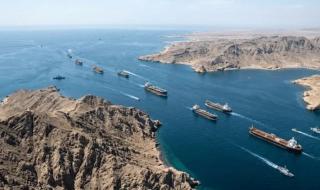
وبعد اندلاع حرب إيران، أغلقت طهران مضيق هرمز الحيوي الذي ينقل نحو خُمس إمدادات النفط والغاز الطبيعي المسال في العالم، مما أدى إلى ارتفاع أسعار الطاقة بشكل حاد. واستمرت إيران في نقل صادراتها من النفط الخام عبر المضيق، ولم تسمح إلا لسفن محددة بالعبور، غالباً بعد مفاوضات لضمان المرور الآمن، وأحياناً بعد طلب دفعات تصل إلى مليوني دولار.
وأفادت بأنه حتى لو أجبر الحصار البحري إيران على التراجع، فسيستغرق الأمر وقتاً قبل استئناف عبور مضيق هرمز بشكل فعلي. إذ سيحتاج مالكو السفن إلى الاقتناع بأن طواقمهم وسفنهم قادرة على العبور بأمان دون استهدافها بالصواريخ أو الطائرات المسيّرة أو الألغام البحرية. كما تراكمت أعداد كبيرة من السفن على جانبي المضيق.
وكان مصدر أمني باكستاني رجح إمكانية التوصل إلى اتفاق بين الولايات المتحدة وإيران قريباً، بعد أن وصلت المفاوضات إلى مراحلها النهائية.
ونقلت وكالة «رويترز»، اليوم (الجمعة) عن المصدر تأكيده أن
الطرفين أحرزا تقدماً من خلال جهود دبلوماسية غير رسمية، وقد يُتوّج الاجتماع المرتقب بتوقيع مذكرة تفاهم.
وتوقع المصدر الأمني إبرام اتفاق كامل خلال 60 يوماً، مشيرا إلى أن الطرفين توصلا بالفعل إلى اتفاقات مبدئية، بينما سيتم وضع اللمسات الأخيرة على التفاصيل التنفيذية لاحقاً.
ولفت مصدر دبلوماسي للوكالة إلى أن قائد الجيش الباكستاني، عاصم منير، يلعب دور الوساطة الرئيسي، حيث يجري محادثات في طهران منذ منتصف الأسبوع، وقد أحرز تقدماً في عدد من القضايا الصعبة.
The two-week truce agreed upon between the United States and Iran will end in four days, as talks continue behind the scenes, suggesting the possibility of extending the truce for an additional two weeks to allow more time for negotiating a peace agreement, according to a report by Bloomberg.
The current ceasefire has largely held since it came into effect on April 8, but there are some key pressure points that could test its durability and hinder reaching a permanent solution.
After the outbreak of the Iran War, Tehran closed the vital Strait of Hormuz, which carries about one-fifth of the world's oil and liquefied natural gas supplies, leading to a sharp rise in energy prices. Iran continued to transport its crude oil exports through the strait, allowing only specific ships to pass, often after negotiations to ensure safe passage, and sometimes after demanding payments of up to two million dollars.
It was reported that even if the maritime blockade forces Iran to retreat, it will take time before actual passage through the Strait of Hormuz resumes. Ship owners will need to be convinced that their crews and vessels can transit safely without being targeted by missiles, drones, or naval mines. Additionally, a large number of ships have accumulated on both sides of the strait.
A Pakistani security source suggested that an agreement between the United States and Iran could be reached soon, as negotiations have reached their final stages.
Reuters reported today (Friday) that the source confirmed that
the two sides have made progress through informal diplomatic efforts, and the upcoming meeting may culminate in the signing of a memorandum of understanding.
The security source anticipated a complete agreement within 60 days, noting that the two sides have already reached preliminary agreements, while the final touches on the implementation details will be made later.
A diplomatic source told the agency that the Pakistani army chief, Asim Munir, is playing a key mediating role, having been in talks in Tehran since the middle of the week and has made progress on several difficult issues.
ملحوظة: مضمون هذا الخبر تم كتابته بواسطة عكاظ ولا يعبر عن وجهة نظر مصر اليوم وانما تم نقله بمحتواه كما هو من عكاظ ونحن غير مسئولين عن محتوى الخبر والعهدة علي المصدر السابق ذكرة.