

قادت الصدفة إلى كشف أثري ضخم في إحدى قرى محافظة الشرقية، أثناء أعمال حفر في قطعة أرض تمهيداً لإنشاء مركز للشباب والرياضة، حسبما أعلنت منطقة آثار محافظة الشرقية.
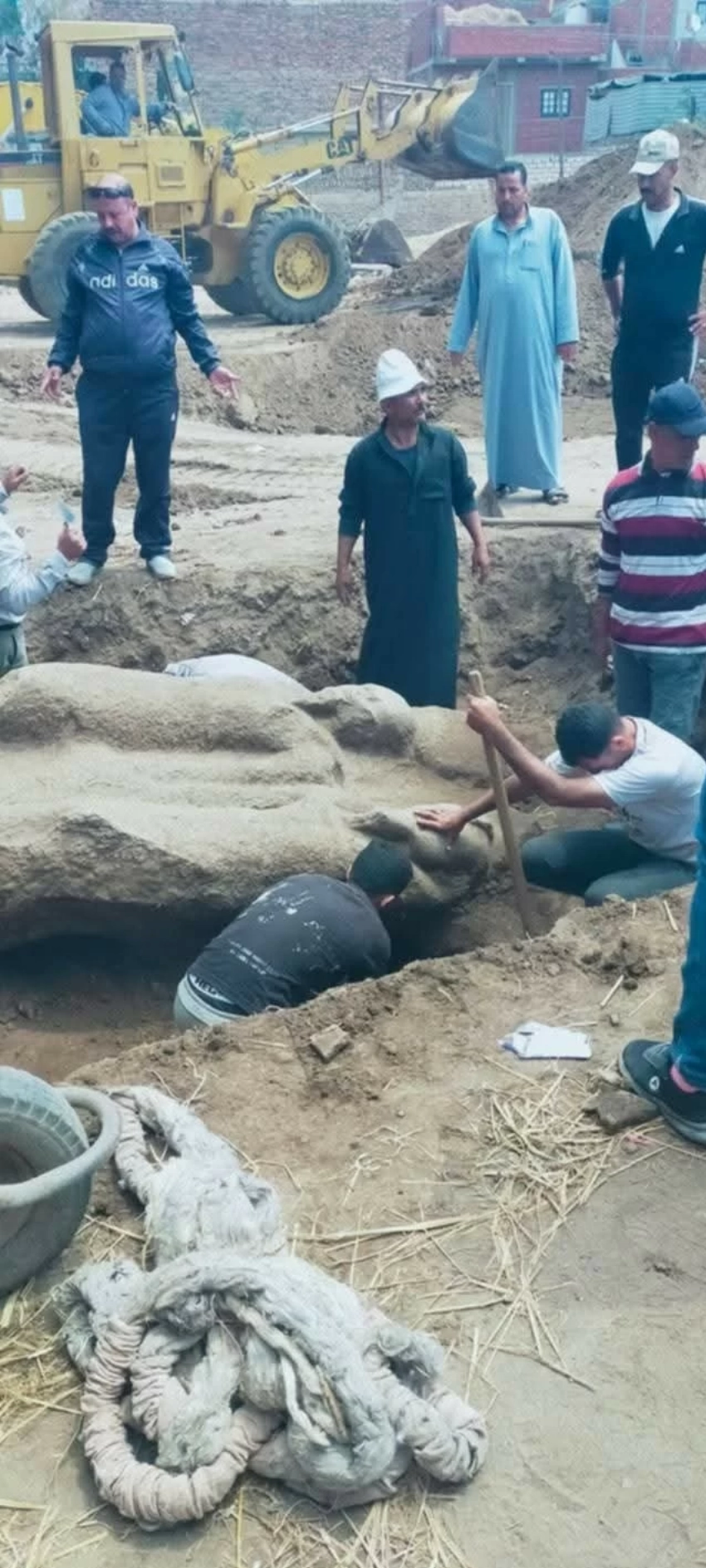
وتم العثور على تمثال أثري مزدوج، يجسد شخصين، ومصنوع من حجر الجرانيت ووزنه يتجاوز 5 أطنان بموقع «تل فرعون» بعزبة التل - مدينة الحسينية، أثناء أعمال الحفائر بالتل تمهيداً لتسليمه لمديرية الشباب والرياضة بمركز الحسينية، إذ تم استخراج التمثال وتسليمه لمنطقة آثار صان الحجر، بينما تجري استعدادات لنقله من الموقع وفحصه لاكتشاف المعلومات حوله.
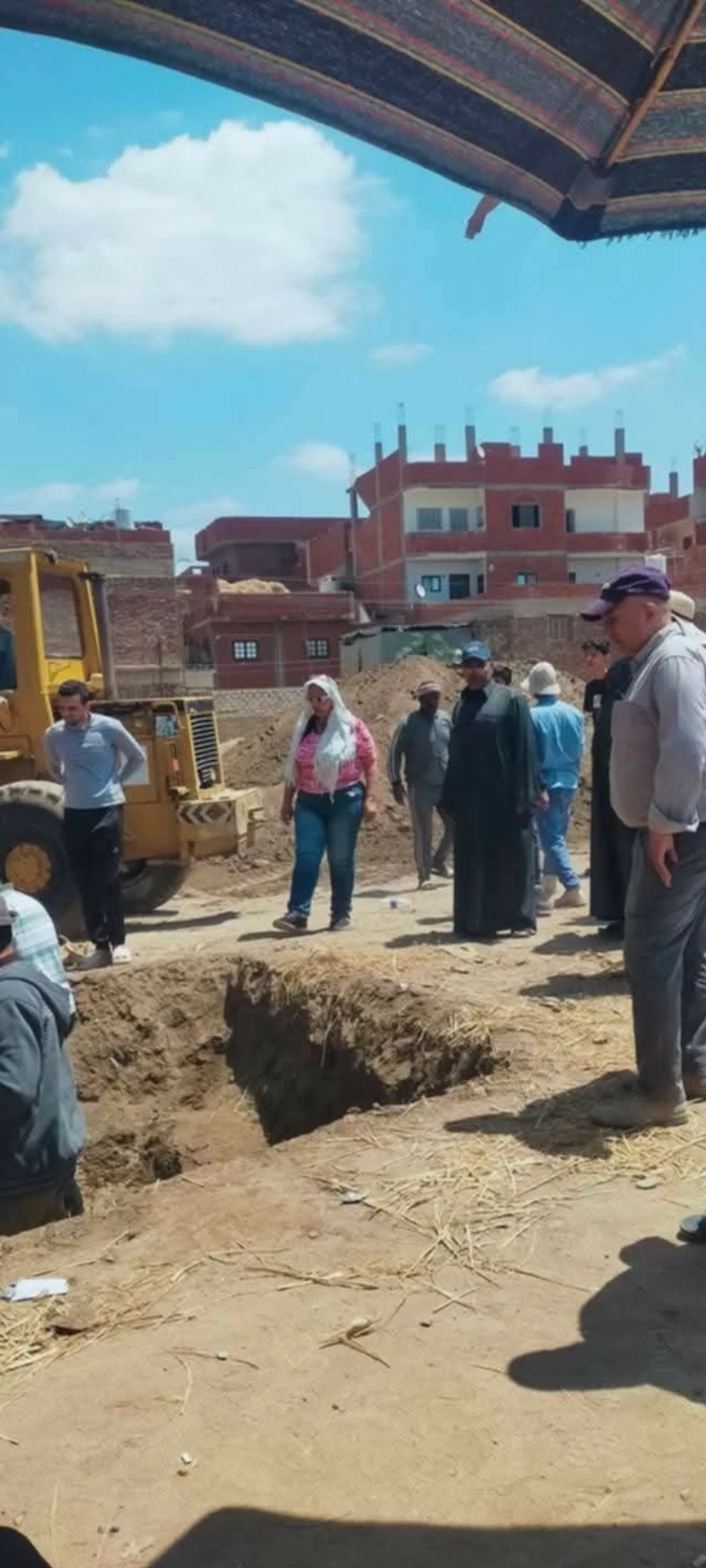
وأكد عدد من أهالي المنطقة أنه تم العثور على التمثال أثناء الحفر لأعمال خاصة بالشباب والرياضة، كما أن التمثال من الجرانيت ويتجاوز وزنه 5 أطنان.
وفي بيان رسمي من وزارة السياحة والآثار، أعلنت رسمياً الكشف عن تمثال ضخم فاقداً للجزء السفلي الذي كان يشمل الأرجل والقاعدة، ومن المرجح أنه يصور الملك رمسيس الثاني.
---
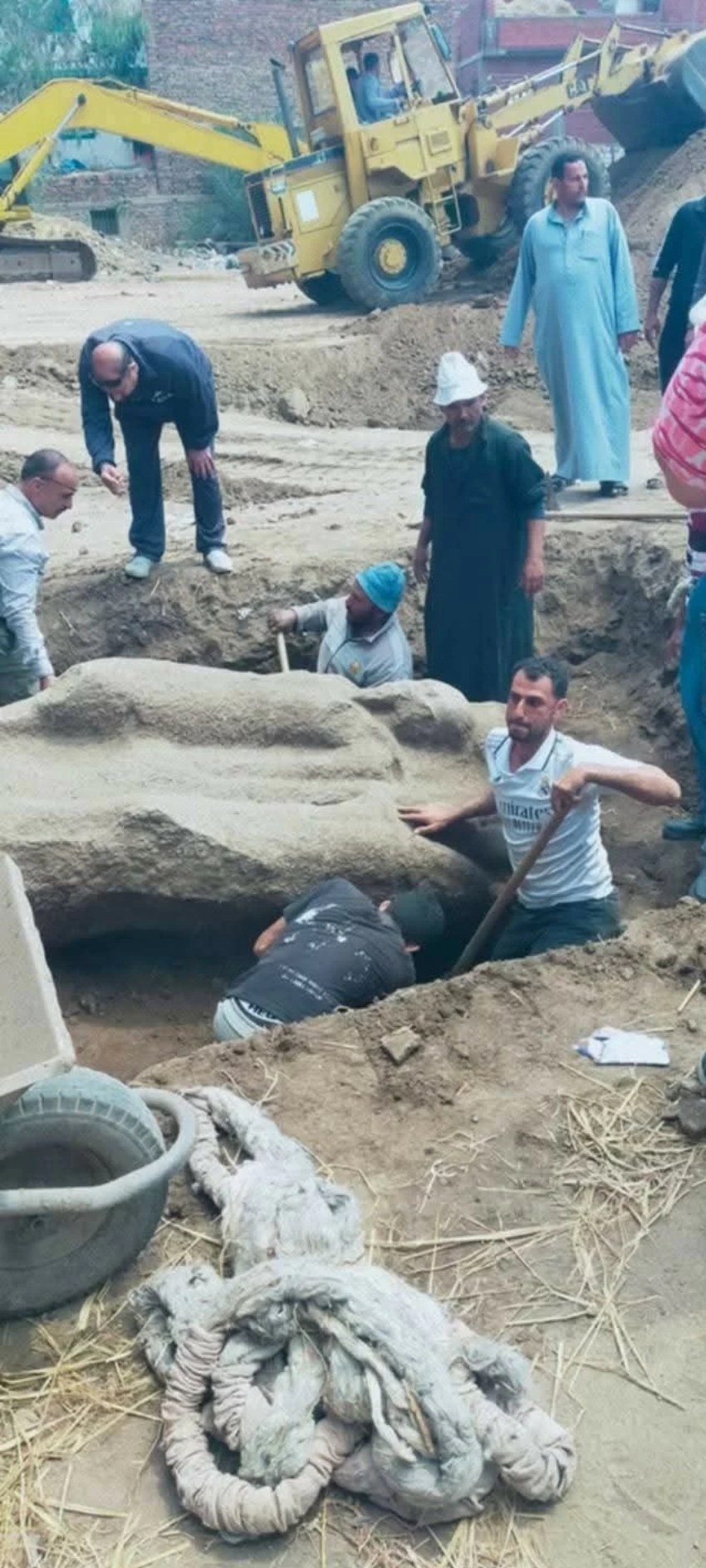
وأكد الأمين العام للمجلس الأعلى للآثار الدكتور هشام الليثي أن هذا الكشف يُعد من الشواهد الأثرية المهمة التي تسلط الضوء على مظاهر النشاط الديني والملكي في منطقة شرق الدلتا، كما يسهم في تعزيز فهم ظاهرة نقل وإعادة توظيف التماثيل الملكية خلال عصر الدولة الحديثة، لا سيما في سياق ارتباط المواقع الإقليمية بالمراكز الملكية الكبرى.
وأوضح أن التمثال المكتشف يتميز بضخامة لافتة، إذ يُقدّر وزنه ما بين 5 إلى 6 أطنان، ويبلغ طوله نحو 2.20 متر، وهو في حالة حفظ سيئة نسبياً، بينما تُظهر الأجزاء المتبقية سمات فنية وملكية ترجّح أنه كان جزءاً من مجموعة ثلاثية (Triad)، على غرار ما تم الكشف عنه في عدد من المواقع الأثرية بمحافظة الشرقية.
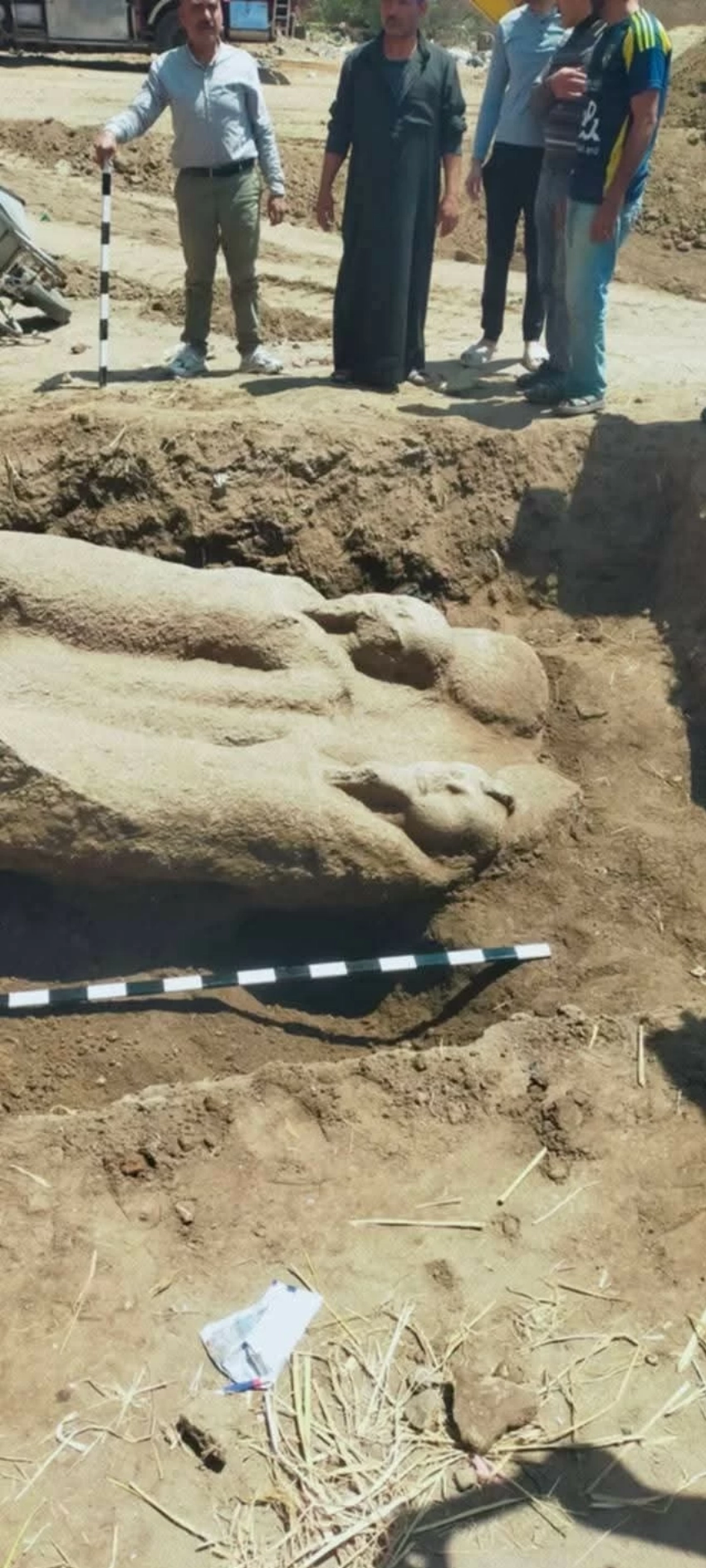
وأضاف رئيس قطاع الآثار المصرية بالمجلس الأعلى للآثار محمد عبدالبديع أن الدراسات الأولية تشير إلى أن التمثال قد تم نقله في العصور القديمة من مدينة «بر-رمسيس» إلى موقع تل فرعون، المعروف قديماً باسم «إيمت»، لإعادة استخدامه داخل أحد المجمعات الدينية، وهو ما يعكس الأهمية الدينية والتاريخية للموقع عبر العصور.
وتم نقل التمثال فور العثور عليه من داخل مجمع المعابد بالموقع إلى المخزن المتحفي بمنطقة صان الحجر، وذلك تمهيداً لبدء أعمال الترميم الدقيقة والعاجلة، وفقاً لأعلى المعايير العلمية المتبعة في صيانة وحفظ الآثار.
يذكر أنه في سبتمبر الماضي أُعلن عن لوحة حجرية تمثل نسخة جديدة من مرسوم كانوب الشهير، الذي أصدره الملك بطليموس الثالث عام 238 ق.م. حين اجتمع كبار الكهنة بمدينة كانوب (شرق الإسكندرية) لتقديس وتبجيل الملك بطليموس الثالث وزوجته برنيكي وابنته، وتوزيع نص المرسوم على المعابد المصرية الكبرى.
كما تجدر الإشارة إلى أن منطقة الحسينية تبعد نحو 20 إلى 30 كيلومتراً عن مدينة صان الحجر الغنية بالقطع الأثرية المتميزة، وتشير هذه الوقائع إلى الكنوز التي ما زالت مدفونة في المنطقة، إذ أشار مدير عام منطقة صان الحجر الأثرية بالشرقية السابق الدكتور متولي صالح إلى أن هناك 90% من آثار المنطقة لم يكشف عنها بعد، وأن المنطقة زاخرة بالمعابد والمقابر والكنوز الأثرية.
A chance discovery led to a massive archaeological find in one of the villages of Sharqia Governorate, during excavation work on a piece of land in preparation for the establishment of a youth and sports center, as announced by the Sharqia Antiquities Area.
A double archaeological statue, depicting two figures and made of granite weighing over 5 tons, was found at the site of "Tell Pharaoh" in the village of Al-Tell - Al-Husseiniya city, during excavation work at the mound in preparation for its handover to the Youth and Sports Directorate in Al-Husseiniya Center. The statue was extracted and handed over to the San Al-Hajar Antiquities Area, while preparations are underway to transport it from the site and examine it to discover information about it.
Several local residents confirmed that the statue was found during excavation work related to youth and sports, and that the statue is made of granite and weighs over 5 tons.
In an official statement from the Ministry of Tourism and Antiquities, it was officially announced that a massive statue was discovered, missing its lower part which included the legs and base, and it is likely to depict King Ramses II.
---
The Secretary-General of the Supreme Council of Antiquities, Dr. Hisham Al-Laythi, confirmed that this discovery is one of the important archaeological evidence that highlights aspects of religious and royal activity in the Eastern Delta region. It also contributes to enhancing the understanding of the phenomenon of transporting and reusing royal statues during the Modern State period, especially in the context of the connection between regional sites and major royal centers.
He explained that the discovered statue is notably large, estimated to weigh between 5 to 6 tons and measuring about 2.20 meters in height, and it is in relatively poor condition. However, the remaining parts exhibit artistic and royal features suggesting that it was part of a triad, similar to what has been discovered at several archaeological sites in Sharqia Governorate.
The head of the Egyptian Antiquities Sector at the Supreme Council of Antiquities, Mohamed Abdel-Badi, added that preliminary studies indicate that the statue may have been transported in ancient times from the city of "Per-Ramses" to the site of Tell Pharaoh, known in ancient times as "Imet," for reuse within one of the religious complexes, reflecting the religious and historical significance of the site throughout the ages.
The statue was immediately transported from inside the temple complex at the site to the museum store in the San Al-Hajar area, in preparation for the commencement of precise and urgent restoration work, according to the highest scientific standards followed in the conservation and preservation of antiquities.
It is worth mentioning that last September, a stone tablet representing a new version of the famous Canopus Decree, issued by King Ptolemy III in 238 BC, was announced. This decree was established when the high priests gathered in the city of Canopus (east of Alexandria) to sanctify and honor King Ptolemy III, his wife Berenice, and his daughter, and to distribute the text of the decree to the major Egyptian temples.
It is also noteworthy that the Al-Husseiniya area is located about 20 to 30 kilometers from the city of San Al-Hajar, which is rich in distinguished archaeological pieces. These events indicate the treasures that are still buried in the region, as the former Director General of the San Al-Hajar archaeological area in Sharqia, Dr. Metwally Saleh, pointed out that 90% of the area's antiquities have yet to be uncovered, and that the area is rich in temples, tombs, and archaeological treasures.
ملحوظة: مضمون هذا الخبر تم كتابته بواسطة عكاظ ولا يعبر عن وجهة نظر مصر اليوم وانما تم نقله بمحتواه كما هو من عكاظ ونحن غير مسئولين عن محتوى الخبر والعهدة علي المصدر السابق ذكرة.