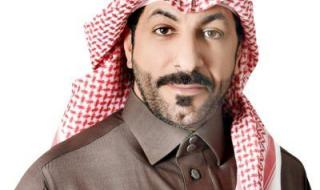

ودّعت مهنة المتاعب اليوم، الناشر محمد علي حافظ، الذي لم يكن اسماً صحفيّاً مرموقاً فقط، بل موهبة عطاء ثقافي وفكري وتربوي، عزز حضوره في بلاط صاحبة الجلالة، ونقل صحافتنا المحليّة إلى العالمية من خلال إصدار جريدة الشرق الأوسط، و«عرب نيوز» أول جريدة سعودية يومية تصدر باللغة الإنجليزية، وتم اختياره في 1961 رئيساً لتحرير صحيفة المدينة وعمره 25 عاماً، وفي 1976 تم تعيينه مديراً عاماً لشركة «المدينة المنورة للطباعة والنشر» التي تملكها أسرته.
تزامن مولده في المدينة المنورة عام 1937، مع صدور العدد الأول من الزميلة جريدة «المدينة» التي أصدرها والده علي وعمّه عثمان، درس في المملكة وعقب نيل الشهادة الثانوية، حظي بمنحة دراسية، وتم ابتعاثه إلى مصر، فدرس الصحافة في جامعة القاهرة، وتدرب على العمل الصحفي في دار «أخبار اليوم» بإشراف أستاذ الصحفيين مصطفى أمين عام 1960، وعاد إلى المملكة ليعمل في وزارة الإعلام.
أسس مع أخيه هشام شركة الخليجية للإعلان، والشركة السعودية للتوزيع، وشركة الأفق للنظم الإلكترونية، واشترك معه في رئاسة تحرير جريدة «الشرق الأوسط» أول جريدة عربية يومية دولية تطبع وتوزع في عدة دول في اليوم نفسه. وعُرِف بكتاباته الصحفية وبعموده اليومي «صباح الخير» في صحف «المدينة»، ثم «عكاظ» و«الشرق الأوسط» وأخيراً في «الاقتصادية».
نقش حافظ اسمه في لوحة شرف الرواد، بما أنجز من مشاريع إعلامية سبق بها العصر، انطلاقاً من وعيٍ تقدمي، لازمه منذ باكورة شبابه ومطلع عشرينياته، ما انعكس على أسلوب الصحف التي ترأسها وعمل بها وموضوعاتها وتبويبها، وكان من أوائل الذين نادوا بإنشاء جامعة أهلية في مدينة جدة، فاستجاب له المؤمنون بمناداته وتم تكوين مجموعة تأسيسية لجامعة جدة الأهلية التي تبنتها الدولة وغدت جامعة الملك عبدالعزيز.
وتأكيد على أسبقيته فكراً وانتماءً، انتبه للوافدين بكثرة على سوق العمل السعودي زمن الطفرة، خصوصاً ممن لا يتحدثون العربية، ففكّر في مشروع «عرب نيوز»، ولاحظ أن صوت إعلامنا لا يبلغ الضفاف الأخرى فكانت «الشرق الأوسط»، ولم يطاول الإخفاق أي مشروع من مشاريعه، بحكم الدراسة المتخصصة، والتفكير المبكر في احتياجات السوق، واستثمار رأس المال في بناء الكوادر، واقتناص المواهب، ومنح الثقة بلا حدود في من هو أهل لها، وما أصدق الشاعر العربي محمد مهدي الجواهري إذ قال:
يموتُ الخالدون بكل فجٍّ *** ويستعصي على الموتِ الخلودُ
Today, the publishing profession bid farewell to Mohammed Ali Hafiz, who was not only a prominent journalistic name but also a talent for cultural, intellectual, and educational contributions. He enhanced his presence in the realm of journalism and took our local press to the global stage through the establishment of Al-Middle East newspaper and "Arab News," the first daily Saudi newspaper published in English. He was appointed editor-in-chief of Al-Madina newspaper in 1961 at the age of 25, and in 1976, he was appointed general manager of the "Al-Madina Printing and Publishing Company," owned by his family.
Born in Medina in 1937, his birth coincided with the release of the first issue of the colleague newspaper "Al-Madina," which was published by his father, Ali, and his uncle, Othman. He studied in the Kingdom, and after obtaining his high school diploma, he received a scholarship and was sent to Egypt, where he studied journalism at Cairo University. He trained in journalism at the "Akhbar Al-Youm" institution under the supervision of the journalist mentor Mustafa Amin in 1960, and then returned to the Kingdom to work in the Ministry of Information.
He founded, with his brother Hisham, the Gulf Advertising Company, the Saudi Distribution Company, and the Horizon Electronic Systems Company, and he shared the editorship of Al-Middle East newspaper, the first international Arabic daily printed and distributed in several countries on the same day. He was known for his journalistic writings and his daily column "Good Morning" in the newspapers "Al-Madina," then "Okaz," "Al-Middle East," and finally in "Al-Iqtisadiyah."
Hafiz engraved his name on the honor roll of pioneers through the media projects he accomplished ahead of their time, stemming from a progressive awareness that accompanied him since the dawn of his youth and the early twenties. This was reflected in the style of the newspapers he headed and worked for, as well as their topics and organization. He was among the first to advocate for the establishment of a private university in Jeddah, and those who believed in his call responded, leading to the formation of a founding group for Jeddah Private University, which was later adopted by the state and became King Abdulaziz University.
To emphasize his precedence in thought and belonging, he noticed the influx of many expatriates into the Saudi labor market during the boom, especially those who did not speak Arabic. He thought of the "Arab News" project and observed that our media voice did not reach other shores, which led to the creation of "Al-Middle East." None of his projects faced failure, thanks to specialized study, early thinking about market needs, investing capital in building capacities, seizing talents, and granting unlimited trust to those who deserve it. How true the Arab poet Mohammed Mahdi Al-Jawahiri was when he said:
Immortals die in every abyss *** And immortality eludes death
ملحوظة: مضمون هذا الخبر تم كتابته بواسطة عكاظ ولا يعبر عن وجهة نظر مصر اليوم وانما تم نقله بمحتواه كما هو من عكاظ ونحن غير مسئولين عن محتوى الخبر والعهدة علي المصدر السابق ذكرة.