

في ليلة النهائي، وبينما كانت إسبانيا تُعيد تعريف كرة القدم الحديثة، ظهر المنتخب الأرجنتيني بصورة لا تليق ببطل العالم السابق. بدا الفريق وكأنه يعيش على ذكريات 2022، دون أن يمتلك أدوات الحاضر أو روح المنافسة.
ميسي، الذي اعتاد أن يكون مركز الثقل، بدا عاجزًا عن قيادة فريقٍ فقَد أبسط مبادئ اللعب الجماعي، فيما تحوّل زملاؤه إلى ظلالٍ تتحرك بلا هدف، بلا فكرة، بلا قدرة على مجاراة الإيقاع الإسباني.
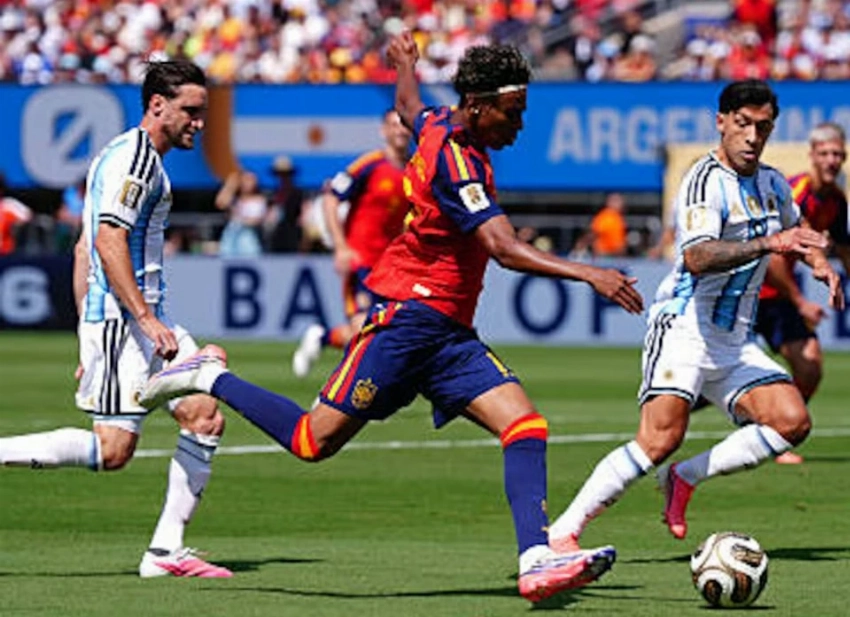
الأرجنتين لعبت نهائي كأس العالم وكأنها وصلت إليه بالصدفة؛ لا بناء هجومي، لا تنظيم دفاعي، لا حلول فردية ولا جماعية. كل ما كان لديهم هو حارسٌ أنقذ ما يمكن إنقاذه، وجعل الخسارة تقف عند حدود 1–0 بدل أن تتحول إلى نتيجة ثقيلة كانت ستكشف حجم الفجوة بين المنتخبين.
السؤال الذي طرحه كثيرون في الصحافة العالمية كان واضحًا: كيف وصل هذا المنتخب إلى النهائي؟
في تلك الليلة، فريقٌ لا يعرف ألف باء كرة القدم، لا يعرف كيف يضغط، ولا كيف يمرر، ولا كيف يخرج بالكرة، ولا كيف يحمي مناطقه. بدا وكأنه فريقٌ يبحث عن نفسه في مباراة لا ترحم.
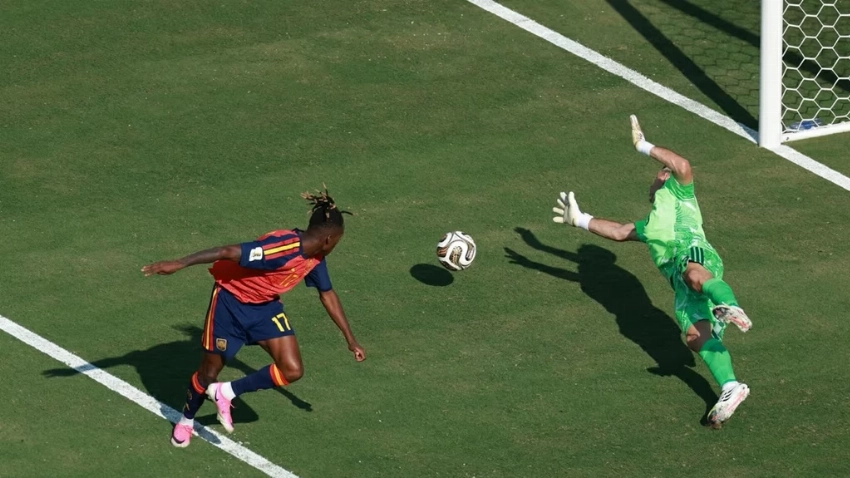
اللافت أن الأرجنتين لم تُظهر أي ردة فعل حقيقية في جميع مبارياتها إلا في ربع الساعة الأخيرة؛ تصنع توترًا اصطناعيًا عبر الاحتكاكات، والاعتراضات، والاستفزازات، والدخول غير البريء على لاعبي إسبانيا. مشهدٌ تكرر كثيرًا في مبارياتهم خلال البطولة، حيث بدا أن بعض القرارات التحكيمية تميل إلى منحهم هامشًا أكبر في الاحتكاك والاعتراض، وهو ما أثار تساؤلات في وسائل إعلام أوروبية حول مدى تأثير ذلك على مسار بعض المباريات.
لكن أمام إسبانيا، لم ينفع شيء؛ فريق (الماتادور) المقابل كان أكبر من أي محاولة تشتيت، وأقوى من أي استفزاز، وأكثر انضباطًا من أن يقع في فخ اللحظات الأخيرة.
في المقابل، كان لويس دي لافوينتي يعيش أفضل أيامه التدريبية. الرجل الذي أطفأ فرنسا في نصف النهائي، عاد ليُخرس الأرجنتين في النهائي، مستخدمًا نفس الفلسفة: السيطرة عبر التنظيم، والهيمنة عبر العقل، والانتصار عبر الجماعية.
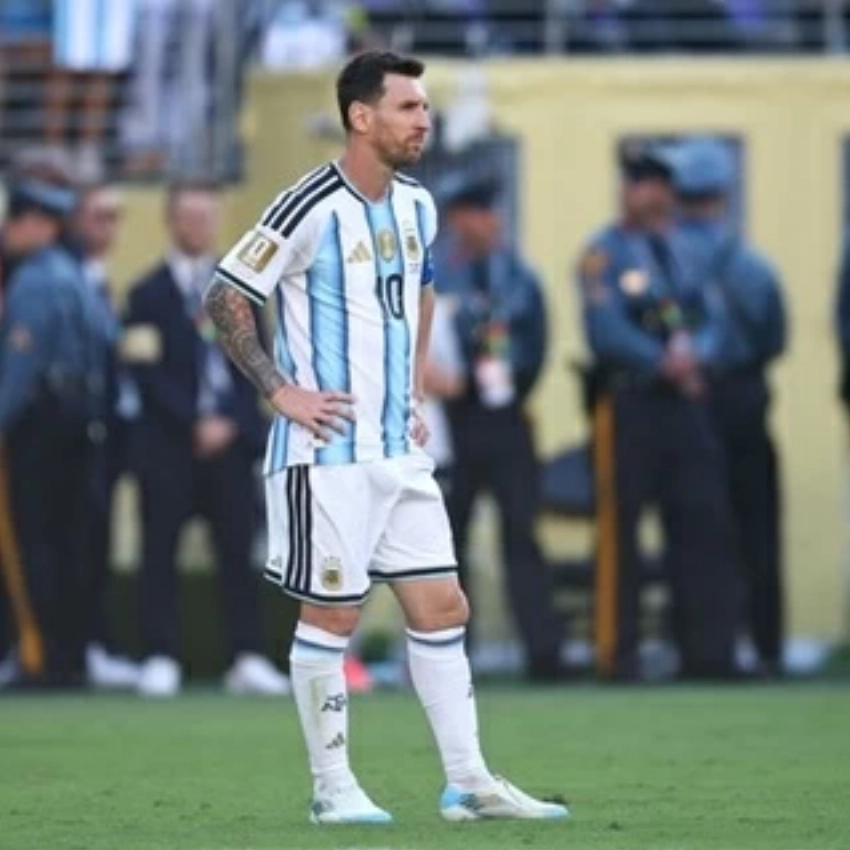
إسبانيا لم تفز لأنها تملك أسماء لامعة، بل لأنها تملك مدربًا يعرف كيف يجعل كل لاعب جزءًا من آلة تعمل بدقة؛ لافوينتي لم يواجه الأرجنتين كلاعبين، بل كمنظومة مهلهلة، ففرض إيقاعه، وقطع خطوطهم، وجعل ميسي معزولًا، وجعل بقية الفريق مجرد متفرجين على كرة تُلعب كما يجب أن تُلعب.
لقد بدا النهائي وكأنه درسٌ في الفارق بين كرة تُبنى على الفكر، وأخرى تُبنى على الأسماء. بين فريقٍ يعرف ما يريد، وآخر ينتظر معجزة. بين مدربٍ يقود، وآخر يتفرج. لذلك، لم يكن غريبًا أن تذهب الكأس إلى خزائن الإسبان.. فقد كانت كرة القدم نفسها تميل إليهم وتحب كل (جمال) إسباني.
On the night of the final, while Spain was redefining modern football, the Argentine team appeared in a manner unbefitting a former world champion. The team seemed to be living on the memories of 2022, lacking the tools of the present or the spirit of competition.
Messi, who was accustomed to being the focal point, seemed unable to lead a team that had lost the simplest principles of collective play, while his teammates turned into shadows moving aimlessly, without ideas, unable to keep up with the Spanish rhythm.
Argentina played the World Cup final as if they had stumbled upon it by chance; no attacking build-up, no defensive organization, no individual or collective solutions. All they had was a goalkeeper who saved what could be saved, keeping the loss to a limit of 1–0 instead of turning it into a heavy defeat that would have revealed the extent of the gap between the two teams.
The question posed by many in the global press was clear: How did this team reach the final?
That night, a team that did not know the ABCs of football, did not know how to press, how to pass, how to play the ball out, or how to protect their areas. It seemed like a team searching for itself in a merciless match.
Interestingly, Argentina did not show any real reaction in all their matches except in the last fifteen minutes; they created artificial tension through fouls, objections, provocations, and reckless tackles on Spanish players. This scene repeated often in their matches during the tournament, where it seemed that some refereeing decisions leaned towards granting them a greater margin for contact and objection, which raised questions in European media about the impact of this on the course of some matches.
But against Spain, nothing worked; the opposing (matador) team was bigger than any distraction attempt, stronger than any provocation, and more disciplined than to fall into the trap of the last moments.
Meanwhile, Luis de la Fuente was experiencing the best days of his coaching career. The man who silenced France in the semifinals returned to silence Argentina in the final, using the same philosophy: control through organization, dominance through intellect, and victory through teamwork.
Spain did not win because they had shining names, but because they had a coach who knew how to make each player part of a machine that worked precisely; De la Fuente did not face Argentina as players, but as a disjointed system, imposing his rhythm, cutting their lines, isolating Messi, and making the rest of the team mere spectators of a game played as it should be played.
The final seemed like a lesson in the difference between a game built on thought and another built on names. Between a team that knows what it wants and another that waits for a miracle. Between a coach who leads and another who watches. Therefore, it was not surprising that the cup went to the Spaniards' cabinets.. for football itself seemed to lean towards them and love every Spanish (beauty).
ملحوظة: مضمون هذا الخبر تم كتابته بواسطة عكاظ ولا يعبر عن وجهة نظر مصر اليوم وانما تم نقله بمحتواه كما هو من عكاظ ونحن غير مسئولين عن محتوى الخبر والعهدة علي المصدر السابق ذكرة.