
عدّ المفكر المغربي مولاي أحمد صابر من غايات الصيام الظاهرة؛ الإعراض عن الإسراف في الأكل، مبدياً تحفظه على تحوّل رمضان إلى شهر للأطعمة؛ كونه للتأمل الهادئ، بعيداً عما غلب عليه من مبالغات باسم العبادة، بالإقبال الكثيف على المساجد وسماع القرآن، و كأن الأشهر الأخرى، لا فائدة فيها من قراءة القرآن ومن الحضور في المسجد.
وأكد أنه لا يقلل من شأن مختلف العادات والتقاليد الاجتماعية التي تشكلت حول شهر رمضان، لافتاً إلى طبيعة التداخل بين الثقافي والديني، وبأن الديني لا حضور له إلا من خلال الثقافي، مثمّناً التنوع في العالم الإسلامي في التعاطي مع مختلف الشعائر من بينها صيام شهر رمضان، في آسيا وأفريقيا وكل بقاع العالم، إذ نجد ما لا يعد ولا يحصى من أوجه العادات والاعتقادات وأوجه الفرحة والاحتفال..
ثقافتان.. حية وميتة
ودعا صابر إلى تمييز صيام رمضان بين ثقافة حية وثقافة ميتة، لأن الثقافة الحية هي التي تضمن لنا المعنى والغاية والقصد من الصوم، في بعده الكوني والحضاري. فالصيام مسألة تأخذ قيمتها من وجود الإنسان، فهو فلسفة تذكر الإنسان بمحدوديته، وبحاجياته من أجل البقاء، وبضعفه، فإحساسه بالضعف والحاجة، يجعل منه إنساناً يؤمن بالأمن والسلام والرحمة، من أجل غاية البقاء.
وأبدى تطلّعه إلى أن تحول تعاليم الدين إلى فعل إنساني في الواقع، تدخل حيز الزمن والتاريخ، وتمتزج بالثقافة، بتعدد سياق الزمن والمكان والجغرافيا والإنسان والثقافة نفسها؛ موضحاً أن تعاليم الدين تتأثر بهذا الكل المركب، فعندما نتحدث عن الصلاة أو الصيام أو الحج وغيرها من تعاليم الدين الإسلامي، فهي تعود لقيمة واحدة نابعة من المرجعية الدينية، وهي مرجعية واحدة وخطاب واحد، يتجلى في القرآن الكريم، ولكن على مستوى الثقافة فمختلف هذه الشعائر متعددة ومتنوعة، بتعدد الثقافات والأزمنة التي تتبناها، كما أنها متعددة على المستوى النفسي والوجداني، فكل فرد له تجربته الخاصة والفريدة، في تفاعله وتجسيده لمختلف تلك الشعائر. وهذا المعطى الأساسي والمهم في فهم الدين وعلاقته بالكل المركب؛ أي الثقافة.
وعي بأهمية الاختلاف
لفت أحمد صابر إلى أنّ الإسلام متعدد من جهة روافده الثقافية والاجتماعية والتاريخية، رغم وحدته المرجعية؛ ولأن اللغة جزء لا يتجزأ من الثقافة ؛ فكل قومية تطبع فهمها للإسلام بطابع اللغة التي تتحدث بها، كما أن كل قومية تنظر إلى نفسها بأنها أقرب إلى الإسلام من غيرها.
و ألمح إلى ما تشكّل عبر التاريخ من فرق ومذاهب ومدارس واتجاهات كثيرة حاولت فهم الإسلام. و التنوع الفقهي والمذهبي في الثقافة الإسلامية، جعل منها أهلها ووعياً كبيراً بأهمية الاختلاف، وتنوع التجارب والاجتهادات في فهم تعاليم الإسلام، علماً بأن مختلف الفقهاء المسلمين يعودون إلى أصل واحد يجمعهم ويوحدهم، وهو وحدانية الله جل وعلا. فكلمة الله، هي الكلمة التي اكتسبت في الحقل الدلالي القرآني المكانة المركزية العليا في التعبير عن وحدة الخالق، ولا تفوقها كلمة أخرى في المكانة والأهمية.
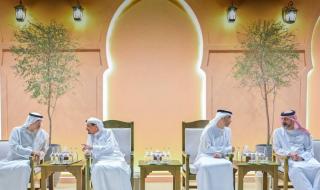
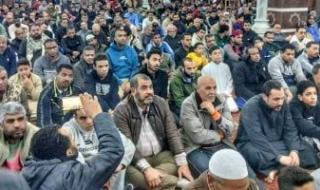
في كل بقاع العالم نجد ما لا يحصى من أوجه الاعتقادات والفرحة والاحتفال
مختلف الفقهاء المسلمين يعودون إلى أصل واحد يجمعهم ويوحدهم
The Moroccan thinker Moulay Ahmed Saber considers one of the apparent goals of fasting to be the avoidance of excess in eating, expressing his reservations about Ramadan turning into a month of food; as it is meant for quiet contemplation, far from the exaggerations that dominate it in the name of worship, with the heavy attendance at mosques and listening to the Quran, as if the other months have no benefit in reading the Quran and attending the mosque.
He affirmed that this does not diminish the significance of the various social customs and traditions that have formed around the month of Ramadan, pointing to the nature of the interplay between the cultural and the religious, and that the religious has no presence except through the cultural. He valued the diversity in the Islamic world in dealing with various rituals, including fasting during the month of Ramadan, in Asia, Africa, and all corners of the world, where we find countless aspects of customs, beliefs, joy, and celebration.
Two Cultures.. Living and Dead
Saber called for distinguishing between the fasting of Ramadan as a living culture and a dead culture, because the living culture is the one that guarantees us the meaning, purpose, and intent of fasting, in its universal and civilizational dimension. Fasting is a matter that derives its value from the existence of human beings; it is a philosophy that reminds humans of their limitations, their needs for survival, and their weaknesses. This feeling of weakness and need makes them believe in security, peace, and mercy, for the sake of the goal of survival.
He expressed his hope that the teachings of religion would transform into human action in reality, entering the realm of time and history, and blending with culture, with the multiplicity of contexts of time, place, geography, humanity, and culture itself; clarifying that the teachings of religion are influenced by this complex whole. When we talk about prayer, fasting, pilgrimage, and other teachings of Islam, they return to a single value derived from the religious reference, which is a singular reference and a unified discourse, manifested in the Holy Quran. However, at the cultural level, these various rituals are multiple and diverse, reflecting the multiplicity of cultures and times that adopt them. They are also diverse at the psychological and emotional levels, as each individual has their own unique experience in interacting with and embodying these various rituals. This fundamental and important aspect is crucial in understanding religion and its relationship with the complex whole; that is, culture.
A Consciousness of the Importance of Difference
Ahmed Saber pointed out that Islam is plural in terms of its cultural, social, and historical sources, despite its unified reference; and because language is an integral part of culture, each nationality imprints its understanding of Islam with the character of the language it speaks. Moreover, each nationality views itself as closer to Islam than others.
He hinted at what has formed throughout history in terms of sects, schools, and various trends that have attempted to understand Islam. The juristic and doctrinal diversity in Islamic culture has endowed its people with a great awareness of the importance of difference, and the variety of experiences and interpretations in understanding the teachings of Islam, knowing that various Muslim jurists trace back to a single origin that unites and gathers them, which is the oneness of God, the Exalted. The word of God is the word that has gained the highest central status in the Quranic semantic field in expressing the unity of the Creator, and no other word surpasses it in status and importance.
In every corner of the world, we find countless aspects of beliefs, joy, and celebration.
Various Muslim jurists trace back to a single origin that unites and gathers them.
ملحوظة: مضمون هذا الخبر تم كتابته بواسطة عكاظ ولا يعبر عن وجهة نظر مصر اليوم وانما تم نقله بمحتواه كما هو من عكاظ ونحن غير مسئولين عن محتوى الخبر والعهدة علي المصدر السابق ذكرة.