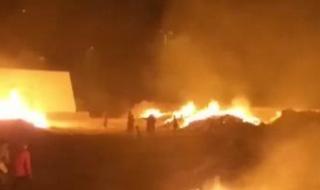

أعلن التلفزيون الإيراني بشكل رسمي مقتل المرشد الإيراني علي خامنئي إثر الغارات الإسرائيلية على طهران السبت.
وبمقتل علي خامنئي، تُطوى صفحة أحد أكثر الشخصيات تأثيرًا وإثارة للجدل في تاريخ الشرق الأوسط ، لأكثر من 35 عامًا، كان صاحب القرار الأعلى في إيران، والرجل الذي رسم بيده ملامح سياسة خارجية قامت على التمدد عبر السلاح والميليشيات.
البدايات: من مشهد إلى قمة السلطة
وُلد علي حسيني خامنئي في 19 أبريل 1939 في مدينة مشهد شمال شرقي إيران، ونشأ في بيئة دينية متواضعة؛ فوالده كان رجل دين معروفًا في الحوزة. تلقى تعليمه الديني في مشهد قبل أن ينتقل إلى قم لاستكمال دراسته الحوزوية.
برز مبكرًا كخطيب معارض لنظام الشاه، وتعرض للاعتقال أكثر من مرة قبل ثورة 1979. وبعد قيام الجمهورية الإسلامية، تدرج في المناصب حتى تولى رئاسة الجمهورية بين عامي 1981 و1989، ثم أصبح مرشدًا أعلى عقب وفاة الخميني، ليبدأ أطول فصل نفوذ في تاريخ إيران المعاصر.
مشروع الميليشيات.. سياسة عبر الحدود
منذ توليه المنصب عام 1989، أحكم قبضته على المؤسسة العسكرية، خصوصًا الحرس الثوري وفيلق القدس، اللذين تحولا في عهده إلى أدوات تدخل مباشر خارج الحدود.
لم يكن الأمر تحالفات سياسية تقليدية، بل دعمًا واضحًا لميليشيات مسلحة في أكثر من ساحة عربية، ما جعل إيران لاعبًا محوريًا في صراعات المنطقة.
العراق.. نفوذ تحت ظل السلاح
بعد 2003، تمدد النفوذ الإيراني بقوة داخل العراق عبر فصائل مسلحة ارتبطت بالحرس الثوري. هذا التمدد رسّخ واقعًا أمنيًا هشًا قائمًا على قوة الجماعات المسلحة، وأسهم في تعميق الانقسام الداخلي.
سورية.. الحرب وإراقة الدماء
في سورية، جاء قرار دعم نظام بشار الأسد نقطة مفصلية. أرسلت إيران مستشارين وقوات من الحرس الثوري، وساهمت في حشد ميليشيات للقتال إلى جانب النظام.
يرى منتقدوه أن هذا الدعم كان عاملًا رئيسيًا في استمرار الحرب وإراقة الدماء لسنوات، وفي ترسيخ واحدة من أكثر الأزمات الإنسانية قسوة في القرن الحالي.
لبنان واليمن.. تثبيت معادلة السلاح
في لبنان، تعزز نفوذ حزب الله كقوة عسكرية تتجاوز الدولة. وفي اليمن، وُجهت لإيران اتهامات رسمية بدعم الحوثيين بالصواريخ والطائرات المسيّرة، ما وسّع رقعة الصراع وأدخل البحر الأحمر في دائرة التوتر.
إرث مرحلة ثقيلة
خلال فترة حكمه، أصبحت إيران محور مواجهة دائمة مع الغرب، وتوسعت العقوبات الاقتصادية بشكل غير مسبوق. لكن الأثر الأعمق كان في المنطقة، حيث تشكلت خرائط نفوذ جديدة عبر السلاح أكثر مما تشكلت عبر السياسة.
برحيله، تنتهي مرحلة طويلة ارتبطت باسمه ارتباطًا مباشرًا، مرحلة يرى منتقدوه أنها عمّقت الصراعات وأبقت المنطقة في حالة توتر دائم، بينما يظل مستقبل النهج الذي أسسه مفتوحًا على احتمالات متعددة.
The Iranian television officially announced the death of Iranian leader Ali Khamenei following the Israeli airstrikes on Tehran on Saturday.
With the death of Ali Khamenei, a chapter closes on one of the most influential and controversial figures in Middle Eastern history. For over 35 years, he was the highest decision-maker in Iran and the man who shaped foreign policy based on expansion through weapons and militias.
Beginnings: From Mashhad to the Pinnacle of Power
Ali Hosseini Khamenei was born on April 19, 1939, in the city of Mashhad in northeastern Iran, and grew up in a modest religious environment; his father was a well-known cleric in the seminary. He received his religious education in Mashhad before moving to Qom to complete his seminary studies.
He emerged early as an opposing preacher to the Shah's regime and was arrested multiple times before the 1979 revolution. After the establishment of the Islamic Republic, he rose through the ranks until he became president from 1981 to 1989, and then became the Supreme Leader following Khomeini's death, beginning the longest chapter of influence in contemporary Iranian history.
The Militia Project.. Policy Across Borders
Since assuming office in 1989, he tightened his grip on the military establishment, especially the Revolutionary Guard and the Quds Force, which during his tenure became tools for direct intervention beyond borders.
These were not traditional political alliances, but clear support for armed militias in more than one Arab arena, making Iran a key player in the region's conflicts.
Iraq.. Influence Under the Shadow of Arms
After 2003, Iranian influence expanded significantly within Iraq through armed factions linked to the Revolutionary Guard. This expansion solidified a fragile security reality based on the power of armed groups and contributed to deepening internal divisions.
Syria.. War and Bloodshed
In Syria, the decision to support Bashar al-Assad's regime was a pivotal point. Iran sent advisors and troops from the Revolutionary Guard and contributed to rallying militias to fight alongside the regime.
Critics argue that this support was a key factor in prolonging the war and bloodshed for years, and in entrenching one of the most severe humanitarian crises of the current century.
Lebanon and Yemen.. Establishing the Equation of Arms
In Lebanon, Hezbollah's influence was strengthened as a military force that transcends the state. In Yemen, Iran faced official accusations of supporting the Houthis with missiles and drones, which expanded the conflict and brought the Red Sea into the circle of tension.
The Legacy of a Heavy Era
During his rule, Iran became the center of a constant confrontation with the West, and economic sanctions expanded unprecedentedly. However, the deeper impact was in the region, where new maps of influence were formed more through arms than through politics.
With his departure, a long era directly associated with his name comes to an end, an era that critics argue deepened conflicts and kept the region in a state of constant tension, while the future of the approach he established remains open to multiple possibilities.
إخلاء مسؤولية إن موقع بالبلدي يعمل بطريقة آلية دون تدخل بشري،ولذلك فإن جميع المقالات والاخبار والتعليقات المنشوره في الموقع مسؤولية أصحابها وإداره الموقع لا تتحمل أي مسؤولية أدبية او قانونية عن محتوى الموقع.
"جميع الحقوق محفوظة لأصحابها"
المصدر :" جريدة عكاظ "
ملحوظة: مضمون هذا الخبر تم كتابته بواسطة بالبلدي ولا يعبر عن وجهة نظر مصر اليوم وانما تم نقله بمحتواه كما هو من بالبلدي ونحن غير مسئولين عن محتوى الخبر والعهدة علي المصدر السابق ذكرة.