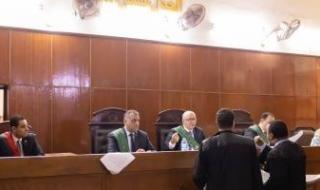


في واحدة من أكثر القضايا إثارة للجدل في العالم العربي، عادت محاكمة فضل شاكر إلى الواجهة بقوة، بعدما قررت المحكمة العسكرية في لبنان اليوم (الثلاثاء) تأجيل الجلسة إلى 26 مايو، وهو موعد يترقبه الجميع باعتباره نقطة فاصلة في مسار قضية امتدت لأكثر من عقد.
لكن ما جرى داخل قاعة المحكمة لم يكن إجراءً روتينيًا، بل كشف تفاصيل جديدة قد تعيد رسم القصة بالكامل.
شهادة مفصلية تقلب المشهد
خلال الجلسة، أدلى وليد البلبيسي المرافق السابق للفنان فضل شاكر، بشهادة أثارت الكثير من الجدل، مقدّمًا رواية مختلفة عن لحظات الهروب من منطقة «عبرا» أثناء اشتباكات 2013.
وبحسب إفادته، لم يكن فضل شاكر في قلب المواجهة كما يُشاع، بل كان نائمًا عند اندلاع الاشتباكات، قبل أن يتم إيقاظه ونقله بسرعة إلى متجر للآلات الموسيقية للاختباء حتى الفجر، ومن ثم إلى مخيم «عين الحلوة» مع تراجع حدة القتال.
الأكثر إثارة أن الشاهد أكد تسليم السلاح الذي كان بحوزة المجموعة المرتبطة بفضل شاكر إلى الجيش اللبناني، في خطوة قد تحمل دلالات قانونية حساسة.
وبعد هذه الشهادة، طلبت محامية الدفاع أماتا مبارك مهلة إضافية لتقديم دفوع جديدة، وهو ما استجابت له المحكمة، لتُرحّل المواجهة الحاسمة إلى أواخر مايو.
ورغم هذا التأجيل، لا يزال فضل شاكر موقوفًا، بعد رفض طلب إخلاء سبيله، ما يزيد من تعقيد المشهد القانوني ويُبقي القضية مشتعلة إعلاميًا.
وتعتبر شهادة اليوم تحولاً في القصة التي شغلت الرأي العام لسنوات بعد أن دخلت مرحلة جديدة منذ أن سلّم فضل شاكر نفسه طوعًا في أكتوبر الماضي، منهياً أكثر من 12 عامًا من التواري داخل مخيم «عين الحلوة».
ومع مثوله أمام المحكمة، سقطت كل الأحكام الغيابية السابقة بحقه، لتعود القضايا المرتبطة بـ«أحداث عبرا» إلى نقطة الصفر وكأن الملف يُفتح لأول مرة.
وتعود جذور القضية إلى اشتباكات عام 2013 بين جماعة أحمد الأسير والجيش اللبناني، وهي واحدة من أكثر المحطات الأمنية حساسية في تاريخ لبنان الحديث.
لكن فضل شاكر، طوال سنوات اختفائه، تمسك برواية ثابتة، ينفي فيها مشاركته في القتال، ويؤكد أن السلاح كان للحماية فقط، وأنه غادر «عبرا» قبل اندلاع المواجهات. بل ذهب أبعد من ذلك، معتبرًا أن قضيته تحمل أبعادًا سياسية، وأن تهديدات خطيرة دفعته للاختباء حفاظًا على حياته.
In one of the most controversial cases in the Arab world, the trial of Fadl Shaker has returned to the forefront strongly, after the military court in Lebanon decided today (Tuesday) to postpone the session to May 26, a date that everyone is anticipating as a turning point in a case that has lasted for more than a decade.
However, what occurred inside the courtroom was not a routine procedure, but revealed new details that could completely reshape the story.
Crucial Testimony that Changes the Scene
During the session, Walid Al-Balbeisi, the former companion of artist Fadl Shaker, provided testimony that sparked much controversy, presenting a different account of the moments of escape from the "Aabra" area during the clashes of 2013.
According to his statement, Fadl Shaker was not at the heart of the confrontation as rumored, but was asleep when the clashes broke out, before being awakened and quickly taken to a musical instrument store to hide until dawn, and then to the "Ain al-Hilweh" camp as the intensity of the fighting decreased.
Even more strikingly, the witness confirmed the handover of the weapons that were in the possession of the group associated with Fadl Shaker to the Lebanese army, in a move that could carry sensitive legal implications.
After this testimony, defense attorney Amata Mubarak requested additional time to present new defenses, which the court granted, postponing the decisive confrontation to late May.
Despite this postponement, Fadl Shaker remains detained, after his request for release was denied, complicating the legal scene further and keeping the case alive in the media.
Today's testimony is considered a turning point in the story that has occupied public opinion for years, having entered a new phase since Fadl Shaker voluntarily surrendered in October of last year, ending more than 12 years of hiding within the "Ain al-Hilweh" camp.
With his appearance before the court, all previous absentia judgments against him were annulled, returning the cases related to the "Aabra events" to square one as if the file were being opened for the first time.
The roots of the case go back to the clashes of 2013 between Ahmad al-Assir's group and the Lebanese army, which is one of the most sensitive security incidents in modern Lebanese history.
However, throughout his years of disappearance, Fadl Shaker maintained a consistent narrative, denying his participation in the fighting, asserting that the weapons were for protection only, and that he left "Aabra" before the confrontations broke out. He even went further, considering that his case has political dimensions, and that serious threats led him to hide to protect his life.
إخلاء مسؤولية إن موقع بالبلدي يعمل بطريقة آلية دون تدخل بشري،ولذلك فإن جميع المقالات والاخبار والتعليقات المنشوره في الموقع مسؤولية أصحابها وإداره الموقع لا تتحمل أي مسؤولية أدبية او قانونية عن محتوى الموقع.
"جميع الحقوق محفوظة لأصحابها"
المصدر :" جريدة عكاظ "
ملحوظة: مضمون هذا الخبر تم كتابته بواسطة بالبلدي ولا يعبر عن وجهة نظر مصر اليوم وانما تم نقله بمحتواه كما هو من بالبلدي ونحن غير مسئولين عن محتوى الخبر والعهدة علي المصدر السابق ذكرة.