

تشهد عدة دول أفريقية حالة من التأهب الاقتصادي واتخاذ إجراءات طارئة لمواجهة أزمة وقود متفاقمة، جاءت على خلفية الحرب بين الولايات المتحدة وإسرائيل من جهة وإيران من جهة أخرى، وما ترتب عليها من اضطرابات في إمدادات الطاقة عالمياً وفق تقرير لشبكة BBC.
ففي جنوب السودان، بدأت السلطات تطبيق نظام تقنين الكهرباء في العاصمة جوبا، حيث أعلنت شركة توزيع الكهرباء الرئيسية «جيدكو» عن انقطاعات يومية مبرمجة بنظام التناوب، في محاولة لإدارة الموارد المحدودة من الطاقة.
ويأتي ذلك في وقت يعتمد فيه البلد بشكل شبه كامل على النفط لتوليد الكهرباء، رغم امتلاكه احتياطيات كبيرة يتم تصدير معظمها، بينما يستورد الوقود المكرر.
ويعاني السكان بالفعل من انقطاعات مستمرة منذ العام الماضي بسبب أعمال الصيانة، إلا أن الأزمة الحالية زادت من حدتها.
وأكد مهندس كهرباء محلي أن التيار ينقطع لساعات طويلة يومياً، ما يشل الأنشطة التجارية، ويدفع بعض القادرين إلى التحول للطاقة الشمسية رغم تكلفتها المرتفعة.
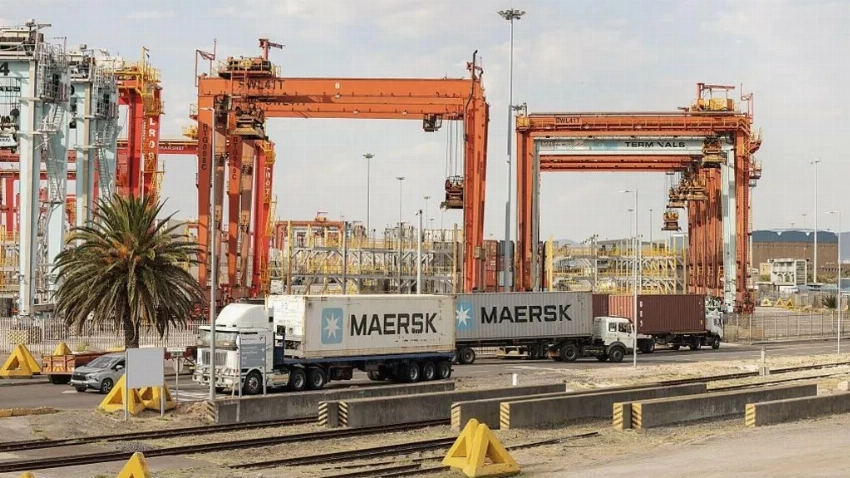
أما في موريشيوس، فقد أعلنت الحكومة حالة طوارئ في قطاع الطاقة بعد تأخر شحنة نفط كانت متوقعة، ما أدى إلى تراجع المخزون إلى مستوى يغطي 21 يوماً فقط. وفرضت السلطات قيوداً على استهلاك الكهرباء، خصوصاً في القطاعات كثيفة الاستهلاك، مع البحث عن بدائل مكلفة من مصادر خارجية.
وفي زيمبابوي، قررت الحكومة زيادة نسبة الإيثانول في الوقود من 5% إلى 20%، إلى جانب إلغاء بعض الضرائب على واردات الوقود، في محاولة لخفض الأسعار التي ارتفعت بنسبة 40% خلال أقل من شهر.
ورغم ذلك، يعاني المواطنون من موجة غلاء واسعة، حيث أكد أحد الباعة أن تكاليف المعيشة تضاعفت، بينما اضطرت بعض الأنشطة الصغيرة إلى تحمل الخسائر.
وفي إثيوبيا، وجهت السلطات شركات الوقود لإعطاء الأولوية لقطاعات محددة مثل المؤسسات الأمنية والمشاريع الحكومية والصناعات الأساسية، مع فرض قيود على الاستهلاك، كما أعلنت منطقة تيغراي وقفاً كاملاً لإمدادات الوقود وسط مخاوف من تجدد النزاع.
أما في كينيا، فتشير تقارير إلى أن نحو 20% من محطات الوقود تعاني نقصاً في الإمدادات نتيجة زيادة الطلب وحالة من الشراء بدافع القلق، وبينما نفت الحكومة وجود أزمة، اتهمت بعض التجار بتخزين الوقود انتظاراً لارتفاع الأسعار، داعية المواطنين إلى تجنب الشراء المفرط.
وامتدت تداعيات الأزمة إلى قطاعات أخرى، مثل الزراعة، حيث تضررت صادرات الزهور بسبب اضطرابات الشحن وتراجع الطلب في الشرق الأوسط، ما تسبب في خسائر بملايين الدولارات خلال أسابيع قليلة.
وفي دول أخرى مثل أوغندا، طمأنت الحكومة المواطنين بتوفر الوقود، محذرة التجار من رفع الأسعار بشكل غير مبرر، بينما أكدت جنوب أفريقيا استقرار الإمدادات حالياً، مع التحذير من تأثيرات محتملة إذا طال أمد الصراع.
في المقابل، قد تستفيد بعض الدول من هذه الأزمة، إذ يُتوقع أن تشهد موانئ في جنوب وشرق أفريقيا نشاطاً متزايداً مع تحويل مسارات الشحن بعيداً عن البحر الأحمر ومضيق هرمز، ما يعزز حركة التزود بالوقود والخدمات البحرية.
كما يُرجح أن تستفيد نيجيريا، ثاني أكبر منتج للنفط في أفريقيا، من ارتفاع الأسعار العالمية، حيث عرضت زيادة إنتاجها لتلبية الطلب، لكن خبراء اقتصاديين يحذرون من أن هذه المكاسب قد لا تنعكس سريعاً على المواطنين، في ظل ارتفاع تكاليف النقل والوقود عالمياً.
Several African countries are witnessing a state of economic alert and taking emergency measures to confront a worsening fuel crisis, which has arisen in the wake of the war between the United States and Israel on one side and Iran on the other, leading to global energy supply disruptions, according to a report by the BBC.
In South Sudan, authorities have begun implementing an electricity rationing system in the capital, Juba, where the main electricity distribution company "JEDCO" announced daily scheduled outages on a rotating basis, in an attempt to manage limited energy resources.
This comes at a time when the country relies almost entirely on oil for electricity generation, despite having large reserves, most of which are exported, while refined fuel is imported.
Residents have already been suffering from continuous outages since last year due to maintenance work, but the current crisis has intensified the situation.
A local electrical engineer confirmed that power is cut for long hours each day, crippling business activities and pushing some able individuals to switch to solar energy despite its high costs.
In Mauritius, the government declared a state of emergency in the energy sector after a delayed oil shipment, which led to a reduction in reserves to a level that covers only 21 days. Authorities imposed restrictions on electricity consumption, particularly in energy-intensive sectors, while seeking costly alternatives from external sources.
In Zimbabwe, the government decided to increase the ethanol percentage in fuel from 5% to 20%, along with eliminating some taxes on fuel imports, in an attempt to reduce prices that have risen by 40% in less than a month.
Despite this, citizens are suffering from widespread inflation, as one vendor confirmed that living costs have doubled, while some small businesses have had to absorb losses.
In Ethiopia, authorities directed fuel companies to prioritize specific sectors such as security institutions, government projects, and essential industries, while imposing consumption restrictions. The Tigray region announced a complete halt to fuel supplies amid fears of renewed conflict.
In Kenya, reports indicate that about 20% of fuel stations are experiencing supply shortages due to increased demand and a panic buying situation. While the government denied the existence of a crisis, some traders were accused of hoarding fuel in anticipation of price hikes, urging citizens to avoid excessive purchasing.
The repercussions of the crisis have extended to other sectors, such as agriculture, where flower exports have been affected due to shipping disruptions and decreased demand in the Middle East, resulting in millions of dollars in losses within a few weeks.
In other countries like Uganda, the government reassured citizens of fuel availability, warning traders against unjustified price increases, while South Africa confirmed the stability of supplies at present, with warnings of potential impacts if the conflict persists.
Conversely, some countries may benefit from this crisis, as ports in Southern and Eastern Africa are expected to see increased activity with shipping routes being diverted away from the Red Sea and the Strait of Hormuz, enhancing fuel supply and maritime services.
Nigeria, the second-largest oil producer in Africa, is also likely to benefit from rising global prices, as it has offered to increase its production to meet demand. However, economists warn that these gains may not quickly translate to citizens, given the rising transportation and fuel costs globally.
ملحوظة: مضمون هذا الخبر تم كتابته بواسطة عكاظ ولا يعبر عن وجهة نظر مصر اليوم وانما تم نقله بمحتواه كما هو من عكاظ ونحن غير مسئولين عن محتوى الخبر والعهدة علي المصدر السابق ذكرة.