

أكدت مصادر «عكاظ» أن حق التقاضي مكفول بالتساوي لجميع المواطنين والمقيمين في السعودية، وأن قبول الدعوى شكلياً وقيدها ونظرها لا يعني الحكم بأحقية المدعي، إذ إن المحكمة تتحقق من شروط قبول الدعوى مثل الاختصاص، الصفة، والمصلحة.
وبحسب مصادر «عكاظ»، فإن الدعاوى لا تقام على مجهول، وأن نظام الذكاء الاصطناعي المقامة ضده الدعوى «جروك» يعتبر جهة مجهولة غير معروفة، في حين يتطلب قيد الدعوى توفر البيانات الشخصية للمدعى عليه.
جاء ذلك بعد أن تسلمت المحكمة العامة في الرياض دعوى قضائية رفعها محامٍ سعودي على خلفية منشور منسوب لأحد أنظمة الذكاء الاصطناعي، تضمن -بحسب وصف إعلامي متضرر- إساءة وتشهيراً عبر حساباته في منصات التواصل والمنصات الرقمية.
وتتلخص الدعوى في نشر محتوى وصف بالإساءة والتشهير عبر منصات رقمية مرتبطة بتقنيات الذكاء الاصطناعي، وتعود تفاصيل القضية إلى تداول مقطع فيديو لشاب وفتاة، إذ ذكر النظام المعروف باسم «grok» أن من ظهرا في المقطع هما إعلامي معروف، والفتاة التي تظهر معه في المقطع ناشطة عبر مواقع التواصل.
إخلال بالمنهج القضائي
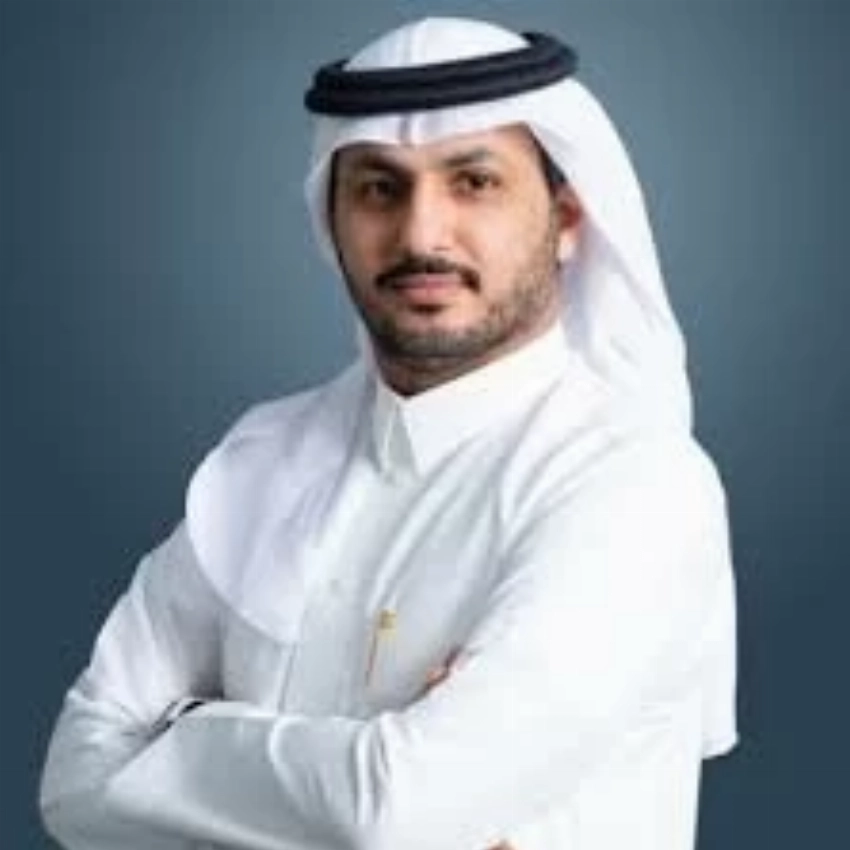
أوضح الخبير القضائي الدكتور مصعب الخالدي لـ«عكاظ» أن التعليق على الدعاوى دون الاطلاع على صحيفة الدعوى وطلبات المدعي يُعد إخلالاً بالمنهج القضائي، لما لذلك من أثر مباشر في تحديد الاختصاص، وتكييف العلاقة النظامية بين الأطراف، وتحديد الشخصية القانونية، والتحقق من انطباق الاشتراطات النظامية الواردة في نظام المرافعات الشرعية وضوابط قيد الدعوى.
وأكد أن ما يُثار حول الدعاوى المرتبطة بالذكاء الاصطناعي يجب ألا يُتناول بمعزل عن الأطر النظامية الحاكمة، مشيراً إلى أن المسؤولية القانونية لا تُنسب للتقنية بذاتها، وإنما لمن أنشأها أو شغّلها أو أتاح مخرجاتها، وذلك في ضوء قواعد المسؤولية التقصيرية والتعويض عن الضرر المقررة نظاماً، بوصفها أضراراً ناشئة عن مخرجات الذكاء الاصطناعي، مبيناً أن ضبط هذا النوع من النزاعات يتطلب قراءة نظامية منضبطة، وأن التناول الإعلامي غير المستند إلى وقائع موثقة قد يُضلل الرأي العام، ويؤثر في سلامة التصور القانوني للقضية، ويُخلّ بضمانات وإجراءات التقاضي.
المحامية نسرين الغامدي ترى أن المحاكم قد تحكم بعدم قبول الدعوى شكلاً دون النظر في الموضوع. أما الحكم في الموضوع فيتطلب ثبوت الحق والأدلة، وقد تُرفض الدعوى لعدم الثبوت، بينما عدم القبول يتيح رفعها مجدداً بعد تصحيح الخلل. وقالت: تضمن الأنظمة السعودية الحق للجميع للوصول إلى القضاء المستقل، والمساواة في المراكز القانونية، وإجراءات التقاضي عبر منصة «ناجز» لتقديم الدعاوى وفق ضوابط محددة منها تحديد المدعى عليه وهويته وتحرير الدعوى.
Sources from "Okaz" confirmed that the right to litigate is guaranteed equally for all citizens and residents in Saudi Arabia, and that the acceptance of a lawsuit in form, its registration, and its consideration do not imply a ruling in favor of the plaintiff, as the court verifies the conditions for accepting the lawsuit such as jurisdiction, capacity, and interest.
According to sources from "Okaz," lawsuits cannot be filed against an unknown party, and the artificial intelligence system against which the lawsuit is filed, "Grok," is considered an unknown entity, while filing a lawsuit requires the personal data of the defendant.
This came after the General Court in Riyadh received a lawsuit filed by a Saudi lawyer following a post attributed to one of the artificial intelligence systems, which included - according to a description from an affected media outlet - defamation and slander through its accounts on social media and digital platforms.
The lawsuit revolves around the publication of content described as defamatory and slanderous through digital platforms linked to artificial intelligence technologies, with the details of the case stemming from the circulation of a video featuring a young man and a young woman, where the system known as "Grok" claimed that those appearing in the video are a well-known media figure and the young woman accompanying him in the video is an activist on social media.
Violation of Judicial Methodology
Judicial expert Dr. Musab Al-Khalidi explained to "Okaz" that commenting on lawsuits without reviewing the lawsuit document and the plaintiff's requests constitutes a violation of judicial methodology, as it has a direct impact on determining jurisdiction, framing the legal relationship between the parties, defining legal personality, and verifying compliance with the regulatory conditions outlined in the Law of Sharia Litigation and the rules for filing a lawsuit.
He emphasized that the issues raised regarding lawsuits related to artificial intelligence should not be addressed in isolation from the governing regulatory frameworks, pointing out that legal responsibility is not attributed to the technology itself, but rather to the person who created, operated, or provided its outputs, in light of the rules of tort liability and compensation for damages established by law, as damages arising from the outputs of artificial intelligence, noting that regulating this type of disputes requires a disciplined legal reading, and media coverage not based on documented facts may mislead public opinion, affect the sound legal perception of the case, and undermine the guarantees and procedures of litigation.
Lawyer Nasreen Al-Ghamdi believes that courts may rule to dismiss the lawsuit in form without considering the substance. As for the ruling on the substance, it requires establishing rights and evidence, and the lawsuit may be rejected for lack of proof, while non-acceptance allows it to be refiled after correcting the deficiency. She stated: The Saudi regulations guarantee everyone the right to access independent judiciary, equality in legal standings, and litigation procedures through the "Najiz" platform to file lawsuits according to specific regulations, including identifying the defendant and their identity and drafting the lawsuit.
ملحوظة: مضمون هذا الخبر تم كتابته بواسطة عكاظ ولا يعبر عن وجهة نظر مصر اليوم وانما تم نقله بمحتواه كما هو من عكاظ ونحن غير مسئولين عن محتوى الخبر والعهدة علي المصدر السابق ذكرة.