
من المقرر أن يجمع الرئيس الفرنسي إيمانويل ماكرون ورئيس الوزراء البريطاني كير ستارمر، اليوم (الجمعة)، عشرات الدول، باستثناء الولايات المتحدة، للدفع بخطط تهدف لإعادة فتح مضيق هرمز، وهو طريق نفطي رئيسي توقف بسبب الحرب الأمريكية - الإسرائيلية على إيران.
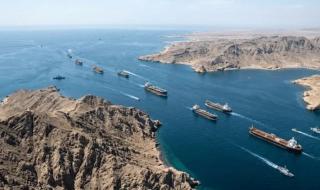
ويعد اجتماع باريس جزءاً من محاولات دول جرى تهميشها لتخفيف آثار صراع لم تبدأه ولم تنضم إليه، لكنه تسبب في ترنح الاقتصاد العالمي. وبعد بدء الحرب في 28 فبراير، أغلقت إيران فعلياً المضيق الضيق الذي يمر عبره عادة خُمس نفط العالم.
ولا تعد الولايات المتحدة جزءاً من التخطيط لما أُطلق عليه «مبادرة حرية الملاحة البحرية في مضيق هرمز». وفي منشور على منصة «إكس» قال الرئيس الفرنسي إن مهمة توفير الأمن للشحن عبر المضيق ستكون «دفاعية بحتة»، وتقتصر على الدول غير المتحاربة وسيجري نشرها «عندما تسمح الظروف الأمنية بذلك».
وقاد ماكرون وستارمر الجهود الدولية لزيادة الضغط الدبلوماسي والاقتصادي على إيران، التي اتهمها ستارمر «بأخذ اقتصاد العالم كرهينة». وأدى إعلان الرئيس الأمريكي دونالد ترمب عن حصار أمريكي للموانئ الإيرانية إلى زيادة المخاطر الاقتصادية بشكل أكبر.
وقال ستارمر قبل الاجتماع إن إعادة فتح المضيق بشكل غير مشروط وفوري مسؤولية عالمية، وعلينا التحرك لجعل الطاقة والتجارة العالمية تتدفق بحرية مرة أخرى.
فيما أفادت وزيرة الدفاع الفرنسية كاترين فوتران، في تصريحات تلفزيونية بأن دولًا أوروبية مثل بلجيكا وهولندا وفرنسا تمتلك قدرات في مجال إزالة الألغام، وهو ما يمكن أن يساعد في تأمين المرور عبر مضيق هرمز.
وأضافت أن هناك إمكانيات لتوفير خدمات مرافقة مدعومة بالكامل، وهو ما يعني أنها ليست هجومية بأي شكل من الأشكال، للسفن لضمان مرورها الآمن عبر المضيق؛ وهو ما سيناقش في مؤتمر باريس اليوم.
French President Emmanuel Macron and British Prime Minister Keir Starmer are set to gather dozens of countries today (Friday), excluding the United States, to push forward plans aimed at reopening the Strait of Hormuz, a major oil route that has been halted due to the American-Israeli war on Iran.
The Paris meeting is part of efforts by countries that have been marginalized to mitigate the effects of a conflict they did not start or join, but which has caused the global economy to wobble. Following the outbreak of war on February 28, Iran effectively closed the narrow strait through which one-fifth of the world's oil typically passes.
The United States is not part of the planning for what has been dubbed the "Maritime Freedom Initiative in the Strait of Hormuz." In a post on the platform "X," the French president stated that the mission to secure shipping through the strait would be "purely defensive," limited to non-warring nations, and would be deployed "when security conditions allow."
Macron and Starmer have led international efforts to increase diplomatic and economic pressure on Iran, which Starmer accused of "taking the world's economy hostage." The announcement by U.S. President Donald Trump of an American blockade on Iranian ports further escalated economic risks.
Before the meeting, Starmer stated that the unconditional and immediate reopening of the strait is a global responsibility, and we must act to allow energy and global trade to flow freely again.
French Defense Minister Catherine Colonna stated in television remarks that European countries such as Belgium, the Netherlands, and France possess mine-clearing capabilities, which could help secure passage through the Strait of Hormuz.
She added that there are possibilities to provide fully supported escort services, which means they are not offensive in any way, for ships to ensure their safe passage through the strait; this will be discussed at the Paris conference today.
ملحوظة: مضمون هذا الخبر تم كتابته بواسطة عكاظ ولا يعبر عن وجهة نظر مصر اليوم وانما تم نقله بمحتواه كما هو من عكاظ ونحن غير مسئولين عن محتوى الخبر والعهدة علي المصدر السابق ذكرة.