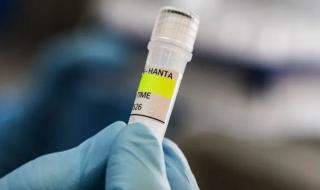

تزايدت المخاوف الصحية في المملكة المتحدة بعد تفشي فايروس «هانتا» على متن السفينة السياحية الفاخرة «إم في هوندياس»، الذي أسفر حتى الآن عن وفاة 3 ركاب، مع تسجيل حالتين مؤكدتين و5 حالات مشتبه بها.
ورغم القلق المتصاعد بشأن احتمال انتقال الفايروس إلى بريطانيا، أكد مسؤولون صحيون أن فايروس «هانتا» موجود بالفعل داخل البلاد، لكنه يظهر بشكل نادر ومحدود للغاية، بحسب صحيفة ديلي ميل البريطانية.
ووفقاً لإرشادات وكالة الأمن الصحي البريطانية (UKHSA)، فإن بعض أنواع فايروس«هانتا» تنتقل عبر القوارض المحلية، خصوصاً الفئران البرية وفئران الحقول، إذ يمكن أن يصاب البشر بالفايروس عند استنشاق أو ملامسة فضلات أو بول أو لعاب القوارض المصابة.
وفي المملكة المتحدة، يُعرف «فايروس سيؤول» بأنه السلالة الأكثر شيوعاً، وتحمله الفئران البنية، بما في ذلك بعض الفئران المنزلية الأليفة، وتؤثر هذه السلالة بشكل رئيسي على الكلى، وقد تؤدي في الحالات الشديدة إلى نزيف داخلي أو فشل عضوي إذا لم يتم علاجها.
ومنذ عام 2012، تم تسجيل 11 حالة بشرية مؤكدة فقط في بريطانيا، معظمها مرتبط بالتعامل مع الفئران الأليفة أو المستخدمة كغذاء للزواحف.
أما السلالة المسؤولة عن الإصابات على متن السفينة، فهي «فايروس الأنديز»، المنتشر في الأرجنتين، ويُعد النوع الوحيد المعروف بقدرته على الانتقال من شخص لآخر، إلا أن الخبراء يؤكدون أن فرص ترسخه في بريطانيا أو انتقاله إلى القوارض المحلية تظل منخفضة للغاية.
وأوضح خبراء الأوبئة أن انتقال الفايروس عادة يحدث في البيئات الريفية أو الزراعية، أو في الأماكن المغلقة التي قد تحتوي على أعشاش أو فضلات قوارض، مثل الحظائر، والمخازن، والمنازل الريفية أو بيوت العطلات.
وينصح المختصون بضرورة اتخاذ احتياطات وقائية عند تنظيف المناطق التي قد تكون ملوثة بفضلات القوارض، مثل ترطيب الفضلات قبل تنظيفها لمنع تطاير الجزيئات المعدية، وارتداء الكمامات والنظارات الواقية والقفازات.
ورغم التغطية الإعلامية الواسعة، شدد خبراء الصحة العامة على أن خطر تحول فايروس هانتا إلى أزمة صحية كبيرة في بريطانيا لا يزال قريباً من الصفر، مع التأكيد على أهمية الوعي والوقاية في البيئات المعرضة للقوارض.
Health concerns in the United Kingdom have increased following the outbreak of the "Hanta" virus aboard the luxury cruise ship "MV Hondius," which has so far resulted in the death of 3 passengers, with 2 confirmed cases and 5 suspected cases.
Despite the rising anxiety about the possibility of the virus spreading to Britain, health officials have confirmed that the "Hanta" virus is already present in the country, but it appears very rarely and in a highly limited manner, according to the British Daily Mail newspaper.
According to guidelines from the UK Health Security Agency (UKHSA), some types of the "Hanta" virus are transmitted through local rodents, particularly wild mice and field mice, as humans can become infected by inhaling or coming into contact with the droppings, urine, or saliva of infected rodents.
In the United Kingdom, the "Seoul virus" is known to be the most common strain, carried by brown rats, including some pet house mice. This strain primarily affects the kidneys and can lead to internal bleeding or organ failure in severe cases if left untreated.
Since 2012, only 11 confirmed human cases have been recorded in Britain, most of which are linked to handling pet rats or those used as food for reptiles.
The strain responsible for the infections aboard the ship is the "Andes virus," which is prevalent in Argentina and is the only known type capable of human-to-human transmission. However, experts assert that the chances of it establishing itself in Britain or spreading to local rodents remain extremely low.
Epidemiologists have explained that the transmission of the virus typically occurs in rural or agricultural environments, or in enclosed spaces that may contain nests or droppings of rodents, such as barns, storage facilities, and rural homes or holiday cottages.
Experts recommend taking preventive precautions when cleaning areas that may be contaminated with rodent droppings, such as moistening the droppings before cleaning to prevent the spread of infectious particles, and wearing masks, protective eyewear, and gloves.
Despite extensive media coverage, public health experts emphasized that the risk of the Hanta virus turning into a major health crisis in Britain remains close to zero, while underscoring the importance of awareness and prevention in rodent-prone environments.
ملحوظة: مضمون هذا الخبر تم كتابته بواسطة عكاظ ولا يعبر عن وجهة نظر مصر اليوم وانما تم نقله بمحتواه كما هو من عكاظ ونحن غير مسئولين عن محتوى الخبر والعهدة علي المصدر السابق ذكرة.