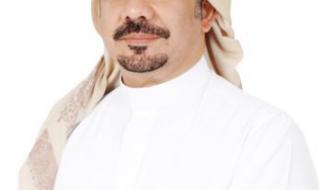

أكد الأمين العام لرابطة العالم الإسلامي رئيس هيئة علماء المسلمين الشيخ الدكتور محمد بن عبدالكريم العيسى، أن الوسطية السعودية تمثل نموذجاً رائداً في الاعتدال والانفتاح والحوار، مستندة إلى منهج فقهي راسخ ورؤية إصلاحية عززت حضور المملكة عالمياً.

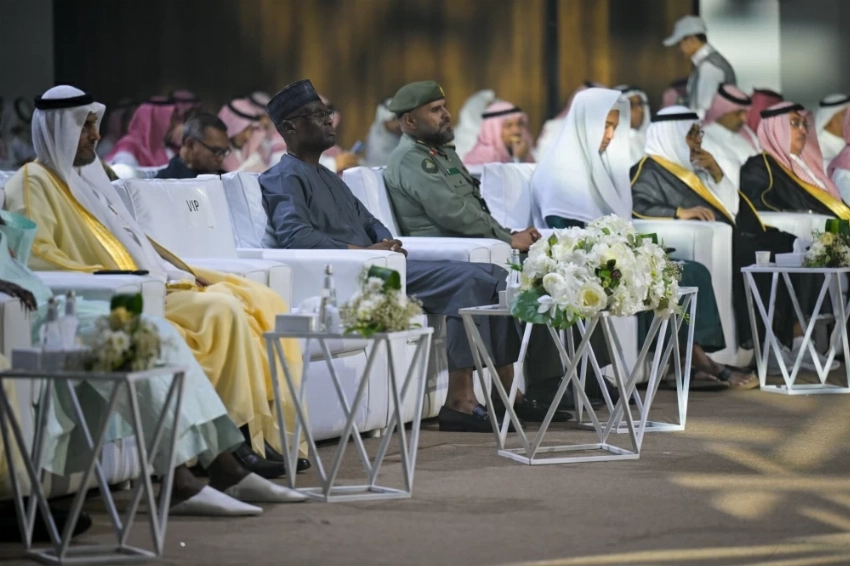
جاء ذلك خلال محاضرة بعنوان «الوسطية السعودية: من المنهج الفقهي إلى الريادة العالمية»، نظّمَتها هيئة الصحفيين السعوديين بالتعاون مع جامعة أم القرى، بحضور عدد من المفتين والعلماء ورؤساء بعثات الحج ووكالات الأنباء الإسلامية، إلى جانب قيادات إعلامية وفكرية وأمنية.
وتناول العيسى مفهوم الوسطية في الإسلام، موضحاً الفوارق الجوهرية في سياق تتعدد فيه الجهات التي تدّعي تمثيل المنهج الوسطي، مشيراً إلى أن الاعتدال الحقيقي يستند إلى العلم الشرعي الرصين، والحكمة، والوعي بمتغيرات العصر، بعيداً عن الغلو أو التفريط.
وسلّط الضوء على تجليات الوسطية والاعتدال في «رؤية المملكة 2030»، وما حققته من حضور عالمي يعكس مكانة السعودية الإسلامية، انطلاقاً من شرف خدمة الحرمين الشريفين ورعاية قاصديهما، وما تمثله المملكة من مرجعية دينية جامعة للعالم الإسلامي.
واستشهد العيسى بالحضور العلمي المؤثر لهيئة كبار العلماء، مبيناً أن قراراتها وبياناتها وفتاواها تمثل امتداداً للنهج السعودي المعتدل، مع احتفائها بالمذاهب الفقهية وعلمائها، وانفتاحها على الحوار العلمي الأخوي.
وأشار إلى أن هذا النهج تجسد بوضوح في مؤتمري «وثيقة مكة المكرمة» و«وثيقة بناء الجسور بين المذاهب الإسلامية»، إضافة إلى أعمال «المجمع الفقهي الإسلامي» التابع لرابطة العالم الإسلامي، الذي يضم كبار المفتين والعلماء من مختلف أنحاء العالم الإسلامي.
The Secretary-General of the Muslim World League and President of the Association of Muslim Scholars, Sheikh Dr. Mohammed bin Abdulkarim Al-Issa, affirmed that Saudi moderation represents a pioneering model in moderation, openness, and dialogue, based on a solid jurisprudential methodology and a reformist vision that has enhanced the Kingdom's global presence.
This was stated during a lecture titled "Saudi Moderation: From Jurisprudential Methodology to Global Leadership," organized by the Saudi Journalists Association in collaboration with Umm Al-Qura University, attended by a number of muftis, scholars, heads of Hajj missions, and Islamic news agencies, alongside media, intellectual, and security leaders.
Al-Issa discussed the concept of moderation in Islam, clarifying the fundamental differences in a context where multiple entities claim to represent the moderate methodology, pointing out that true moderation is based on sound religious knowledge, wisdom, and awareness of the changes of the times, away from extremism or negligence.
He highlighted the manifestations of moderation and balance in "Vision 2030," and what it has achieved in terms of global presence that reflects Saudi Arabia's Islamic status, stemming from the honor of serving the Two Holy Mosques and caring for their visitors, as well as what the Kingdom represents as a comprehensive religious reference for the Islamic world.
Al-Issa cited the influential scholarly presence of the Council of Senior Scholars, indicating that its decisions, statements, and fatwas represent an extension of the moderate Saudi approach, while celebrating the jurisprudential schools and their scholars, and being open to brotherly scientific dialogue.
He noted that this approach was clearly embodied in the conferences of the "Makkah Document" and the "Document for Building Bridges Between Islamic Sects," in addition to the work of the "Islamic Fiqh Academy" affiliated with the Muslim World League, which includes senior muftis and scholars from various parts of the Islamic world.
ملحوظة: مضمون هذا الخبر تم كتابته بواسطة عكاظ ولا يعبر عن وجهة نظر مصر اليوم وانما تم نقله بمحتواه كما هو من عكاظ ونحن غير مسئولين عن محتوى الخبر والعهدة علي المصدر السابق ذكرة.