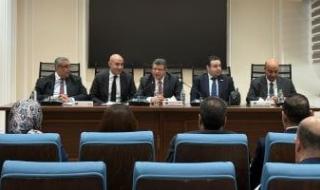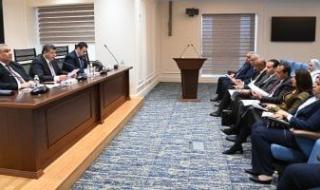

اختُتمت أعمال ندوة البركة للاقتصاد الإسلامي في دورتها السادسة والأربعين، بعد انعقاد ست جلسات علمية متخصصة، عُقدت تحت عنوان «قطاع البرّ والإحسان في الاقتصاد الإسلامي: نحو مستقبل جديد»، وشهدت مشاركة نخبة من العلماء والخبراء والممارسين من مختلف الدول.
وأكد الأمين العام لمنتدى البركة للاقتصاد الإسلامي يوسف حسن خلاوي، في كلمته الختامية، أن الندوة جسّدت مساحة علمية رصينة للحوار والتأمل واستشراف آفاق المرحلة القادمة.
وأشار إلى أن النقاشات الثرية كشفت فرصاً واسعة للاجتهاد والبحث والابتكار في مسار الاقتصاد الإسلامي، في ظل التحولات الاقتصادية العالمية المتسارعة.
اقتصاد البر والإحسان
وأوضح حلاوي أن «اقتصاد البرّ والإحسان» يُعد عنوانًا مرشحًا للمرحلة القادمة من تطور الاقتصاد الإسلامي.
وبين أن المصرفية الإسلامية كانت – بلا نزاع – العنوان الأبرز خلال الخمسين عامًا الماضية، وأسهمت في ترسيخ حضوره المؤسسي عالميًا، إلا أن المرحلة القادمة قد تشهد بروز اقتصاد البرّ والإحسان إطارًا أشمل لتعزيز الأثر التنموي والاجتماعي، مع استمرار الدور المحوري للمصرفية الإسلامية بوصفها الكيان الأكبر من حيث الأصول والانتشار والقبول.
آفاق بحثية جديدة
وأعلن خلاوي أن الدورة القادمة 47 من الندوة ستُخصّص للمصرفية الإسلامية تحت عنوان «رأس المال البشري في المصارف الإسلامية»، حيث سيتناول الطرح عددًا من القضايا المحورية، من بينها دور الهيئات الشرعية وقضايا التأهيل والاستخلاف، وتطوير القيادات المصرفية، وصياغة ميثاق أخلاقي للعاملين في المؤسسات المالية الإسلامية، بما يعزز الحوكمة الرشيدة ويرسّخ القيم المهنية المستمدة من الشريعة الإسلامية.
وثمّن الأمين العام الجهود العلمية التي قدّمها الباحثون والمعقبون، مؤكداً أن موضوع هذا العام فتح آفاقًا بحثية جديدة أمام الجامعات ومراكز الدراسات، وأسهم في تعزيز التكامل بين التنظير والتطبيق، ودعم بناء جيل من الباحثين المتخصصين في قضايا البرّ والإحسان وأدواته المؤسسية.
ندوات وورش عمل
وعلى هامش أعمال الندوة، عُقدت سلسلة من الندوات وورش العمل العلمية التي ناقشت محاور الدورة، وشهدت حضورًا وتفاعلًا لافتًا.
وقدّم رئيس قسم الشريعة والقانون بجامعة الزيتونة – تونس الأستاذ الدكتور إلياس دردور، محاضرة بعنوان «الهندسة المالية للأوقاف: الصكوك الوقفية والصناديق الوقفية – هياكلها وآلياتها وعوائدها»، استعرض خلالها الأطر الفنية والشرعية لهذه الأدوات بوصفها مدخلًا معاصرًا لتطوير العمل الوقفي وتعزيز استدامته.
وأوضح أن الصكوك والصناديق الوقفية تمثل أدوات حديثة قادرة على تعظيم العائد مع الحفاظ على الأصل والالتزام بالضوابط الشرعية، فضلًا عن دورها في توسيع قاعدة المشاركة المجتمعية وتحويل الوقف إلى أداة تنموية فاعلة تسهم في دعم المشاريع الخيرية وتحقيق أثر اقتصادي واجتماعي مستدام.
تسطير ذكرى الرواد
وفي مسار «تسطير ذكرى الرواد»، حاور الأستاذ الدكتور بشر موفق، المشرف العام على موسوعة الاقتصاد والتمويل الإسلامي، رئيس المجلس الشرعي بهيئة المحاسبة والمراجعة للمؤسسات المالية الإسلامية (أيوفي) الشيخ محمد تقي العثماني، في جلسة بعنوان «ذكرياتي مع المصرفية الإسلامية». واستعرض الشيخ العثماني بداياته العلمية ومسيرته الأكاديمية، مؤكدًا أهمية الجمع بين التأصيل الشرعي ومتطلبات الواقع، ودور العلماء في تطوير الصناعة المصرفية الإسلامية من خلال البحث والتأليف وصياغة العقود والمنتجات المتوافقة مع الشريعة.
وقدمت السكرتير التنفيذي لمركز التفكير الإستراتيجي الدكتورة إيمان شادي، ورشة بعنوان «النمو الديمغرافي والتوسع الاقتصادي الإسلامي: آفاق جديدة»، تناولت فيها أثر النمو السكاني للمسلمين عالميًا في تعزيز قوة العمل الشابة وزيادة الطلب على المنتجات المتوافقة مع الشريعة، مؤكدة أهمية التخطيط القائم على البيانات لمواجهة تحديات التعليم والتوظيف والصحة، واستثمار الفرصة الديمغرافية في الأسواق الإسلامية سريعة النمو.
رفع مساهمة «غير الربحي»
وفي اليوم الثالث، عُقدت ورشة «سبل توظيف الأوقاف في دعم المشاريع الخيرية والاجتماعية»، افتتحها مدير التعاون الدولي في منتدى البركة إبراهيم السيد، فيما استعرض الدكتور عبدالله الغامدي المفهوم الشرعي للوقف ونماذج توظيفه في المملكة في مجالات الحرمين الشريفين والتعليم والصحة والمشاريع المجتمعية. وأشار إلى أن رؤية المملكة 2030 تستهدف رفع مساهمة القطاع غير الربحي في الناتج المحلي الإجمالي إلى 5% بحلول عام 2030، لافتًا إلى أن أصول الأوقاف في المملكة تُقدّر بنحو 430 مليار ريال.
وناقشت ورشة «تفعيل المقاصد الشرعية في قطاع البرّ والإحسان وتطبيقاتها في المجتمعات المعاصرة» الأطر التطبيقية للمقاصد وآليات تحويلها إلى أدوات مؤسسية تعزز الأثر الاجتماعي والاستدامة. واستعرض الدكتور عبدالناصر حمدان مفهوم «اقتصاد الكرامة» القائم على تمكين المستفيد والانتقال من التبرع الموسمي إلى الوقف الاستثماري والتنمية الذكية، فيما تناول الدكتور علي أبو العز آليات الحوكمة المقاصدية وأهمية الرقابة الشرعية المستقلة وقياس الأثر المؤسسي.
5 محاور رئيسية
وشهدت الورشة مناقشة خمسة محاور رئيسية شملت الضوابط المقاصدية، والإستراتيجيات المؤسسية، والترجمة العملية لمقاصد الزكاة والوقف والقرض الحسن، والتحديات التنظيمية وسبل معالجتها، إضافة إلى أبرز التطبيقات المعاصرة لتعزيز تحول القطاع إلى رافعة تنموية مستدامة.
وأدار الدكتور هشام زكي الجلسة الخاصة برعاية جائزة صالح كامل للاقتصاد الإسلامي تحت عنوان «مبادرة جسور البحث والتطبيق»، التي هدفت إلى ربط البحث الأكاديمي بالتطبيق العملي وإتاحة منصة للطلاب لعرض أبحاثهم ومشاريعهم المبتكرة. واستعرض رؤية الجائزة ومساراتها وقيمتها الإجمالية البالغة مليون ريال سعودي، مؤكدًا أنها تمثل امتدادًا لإرث الشيخ صالح كامل – رحمه الله – في خدمة الاقتصاد الإسلامي وتشجيع الابتكار.
مشروع عالمي ونقلة نوعية
وأكد وزير المالية المصري الأسبق ورئيس اللجنة العلمية للجائزة الأستاذ الدكتور فياض عبد المنعم، أن الجائزة تمثل مشروعًا علميًا عالميًا يستهدف إحداث نقلة نوعية في مسار الاقتصاد الإسلامي.
وفي ورشة «تمكين العقول الشابة: ريادة الأعمال طريقًا إلى التغيير والإبداع»، قدّم الدكتور وائل الدسوقي، الأمين العام لمؤسسة صالح كامل الإنسانية لريادة الأعمال المستدامة، رؤية ملهمة حول ريادة الأعمال من منظور البرّ والإحسان، مؤكدًا أن نجاح الشركات يُقاس بأثرها الاجتماعي إلى جانب أرباحها.
وأشار إلى أهمية الأخلاق في مختلف مراحل العمل، وبناء نماذج أعمال تجمع بين الابتكار والشفافية والمسؤولية، وتضع الإنسان والكرامة في قلب التنمية الاقتصادية.
واختُتمت أعمال الندوة بالتأكيد على أهمية تحويل توصياتها إلى برامج تنفيذية وشراكات فاعلة، تسهم في تطوير منظومة الاقتصاد الإسلامي وتعزيز دوره في تحقيق التنمية المستدامة، وترسيخ قيم العدالة والتكافل في المجتمعات.
The Baraka Forum for Islamic Economy concluded its 46th session after holding six specialized scientific sessions, held under the title "The Sector of Charity and Goodness in Islamic Economy: Towards a New Future," and witnessed the participation of a select group of scholars, experts, and practitioners from various countries.
The Secretary-General of the Baraka Forum for Islamic Economy, Youssef Hassan Khalawi, emphasized in his closing speech that the seminar represented a solid scientific space for dialogue, reflection, and foresight into the horizons of the upcoming phase.
He pointed out that the rich discussions revealed wide opportunities for ijtihad, research, and innovation in the path of Islamic economy, amid the rapid global economic transformations.
The Economy of Charity and Goodness
Khalawi explained that the "Economy of Charity and Goodness" is considered a promising title for the next phase of the development of the Islamic economy.
He indicated that Islamic banking has undoubtedly been the most prominent title over the past fifty years, contributing to establishing its global institutional presence; however, the upcoming phase may witness the emergence of the economy of charity and goodness as a broader framework to enhance developmental and social impact, while the pivotal role of Islamic banking continues as the largest entity in terms of assets, spread, and acceptance.
New Research Horizons
Khalawi announced that the upcoming 47th session of the seminar will be dedicated to Islamic banking under the title "Human Capital in Islamic Banks," where the discussion will address several pivotal issues, including the role of Sharia boards, qualification and succession issues, developing banking leadership, and formulating an ethical charter for employees in Islamic financial institutions, which enhances sound governance and solidifies professional values derived from Islamic law.
The Secretary-General praised the scientific efforts presented by researchers and commentators, affirming that this year's topic opened new research horizons for universities and research centers, contributed to enhancing the integration between theory and practice, and supported the building of a generation of researchers specialized in issues of charity and goodness and its institutional tools.
Seminars and Workshops
On the sidelines of the seminar, a series of scientific seminars and workshops were held that discussed the themes of the session, witnessing notable attendance and interaction.
Professor Elias Dardour, Head of the Sharia and Law Department at Al-Zaytuna University in Tunisia, presented a lecture titled "Financial Engineering for Endowments: Endowment Sukuk and Endowment Funds – Their Structures, Mechanisms, and Returns," during which he reviewed the technical and Sharia frameworks for these tools as a contemporary entry point for developing endowment work and enhancing its sustainability.
He explained that sukuk and endowment funds represent modern tools capable of maximizing returns while preserving the principal and adhering to Sharia controls, in addition to their role in expanding the base of community participation and transforming endowments into an effective developmental tool that contributes to supporting charitable projects and achieving sustainable economic and social impact.
Commemorating the Pioneers
In the course of "Commemorating the Pioneers," Professor Bashar Mufaq, the General Supervisor of the Encyclopedia of Islamic Economy and Finance, interviewed Sheikh Muhammad Taqi al-Othmani, Chairman of the Sharia Board of the Accounting and Auditing Organization for Islamic Financial Institutions (AAOIFI), in a session titled "My Memories with Islamic Banking." Sheikh al-Othmani reviewed his academic beginnings and journey, emphasizing the importance of combining Sharia foundations with the requirements of reality, and the role of scholars in developing the Islamic banking industry through research, authorship, and formulating contracts and products compliant with Sharia.
The Executive Secretary of the Strategic Thinking Center, Dr. Iman Shadi, presented a workshop titled "Demographic Growth and Islamic Economic Expansion: New Horizons," in which she discussed the impact of the global Muslim population growth on enhancing the young workforce and increasing demand for Sharia-compliant products, emphasizing the importance of data-driven planning to address challenges in education, employment, and health, and to capitalize on the demographic opportunity in rapidly growing Islamic markets.
Enhancing the Contribution of the Non-Profit Sector
On the third day, a workshop titled "Ways to Utilize Endowments in Supporting Charitable and Social Projects" was held, opened by Ibrahim Al-Sayed, Director of International Cooperation at the Baraka Forum, while Dr. Abdullah Al-Ghamdi reviewed the Sharia concept of endowment and models of its utilization in the Kingdom in the fields of the Two Holy Mosques, education, health, and community projects. He noted that Saudi Vision 2030 aims to raise the contribution of the non-profit sector to 5% of the GDP by 2030, pointing out that the assets of endowments in the Kingdom are estimated at about 430 billion riyals.
The workshop "Activating Sharia Objectives in the Sector of Charity and Goodness and Their Applications in Contemporary Societies" discussed the practical frameworks of the objectives and mechanisms for transforming them into institutional tools that enhance social impact and sustainability. Dr. Abdul Nasser Hamdan reviewed the concept of "Dignity Economy" based on empowering beneficiaries and transitioning from seasonal donations to investment endowments and smart development, while Dr. Ali Abu Al-Izz addressed the mechanisms of objective governance and the importance of independent Sharia oversight and measuring institutional impact.
Five Main Themes
The workshop discussed five main themes, including objective controls, institutional strategies, the practical translation of the objectives of zakat, endowment, and qard hasan, regulatory challenges and ways to address them, in addition to the most prominent contemporary applications to enhance the sector's transformation into a sustainable developmental lever.
Dr. Hisham Zaki chaired the session dedicated to the sponsorship of the Saleh Kamel Award for Islamic Economy under the title "Bridges of Research and Application Initiative," which aimed to link academic research with practical application and provide a platform for students to showcase their research and innovative projects. He reviewed the vision of the award, its pathways, and its total value of one million Saudi riyals, affirming that it represents an extension of the legacy of Sheikh Saleh Kamel – may he rest in peace – in serving Islamic economy and encouraging innovation.
A Global Project and a Qualitative Shift
The former Egyptian Minister of Finance and Chairman of the Scientific Committee of the award, Professor Fayyad Abdel Moneim, affirmed that the award represents a global scientific project aimed at bringing about a qualitative shift in the path of Islamic economy.
In the workshop "Empowering Young Minds: Entrepreneurship as a Path to Change and Creativity," Dr. Wael Al-Dasouqi, Secretary-General of the Saleh Kamel Humanitarian Foundation for Sustainable Entrepreneurship, presented an inspiring vision on entrepreneurship from the perspective of charity and goodness, emphasizing that the success of companies is measured by their social impact alongside their profits.
He pointed out the importance of ethics at various stages of work, building business models that combine innovation, transparency, and responsibility, and placing human dignity at the heart of economic development.
The seminar concluded by emphasizing the importance of transforming its recommendations into executive programs and effective partnerships that contribute to developing the Islamic economy system and enhancing its role in achieving sustainable development, and solidifying values of justice and solidarity in societies.
ملحوظة: مضمون هذا الخبر تم كتابته بواسطة عكاظ ولا يعبر عن وجهة نظر مصر اليوم وانما تم نقله بمحتواه كما هو من عكاظ ونحن غير مسئولين عن محتوى الخبر والعهدة علي المصدر السابق ذكرة.