
مع الساعات الأولى لاندلاع المواجهة العسكرية الجديدة في الشرق الأوسط، دخل الإقليم مرحلة توصف بأنها الأوسع نطاقاً منذ سنوات، في ظل مؤشرات تؤكد امتداد العمليات العسكرية لأسابيع قادمة وفق تقديرات أولية صادرة عن مصادر متابعة لمسار التصعيد. الحرب في يومها الأول حملت طابعاً إقليمياً واضحاً بعدما اتسعت ساحتها لتشمل عشر دول هي الولايات المتحدة وإسرائيل وإيران والعراق والأردن والسعودية والإمارات والكويت والبحرين وقطر، في تصعيد يتجاوز مستوى المواجهات السابقة التي شهدها عام 2025.
التطور الأبرز تمثل في تنفيذ إيران ضربات صاروخية باتجاه 5 دول خليجية ضمن سياق المواجهة المفتوحة مع إسرائيل والولايات المتحدة، وهو تحول نوعي في طبيعة الصراع واتساع نطاقه الجغرافي. في المقابل بقيت جبهتا لبنان واليمن هادئتين خلال الساعات الأولى، ما يشير إلى إدارة محسوبة لمسار الاشتباك الإقليمي. وتزامن ذلك مع تهديدات إيرانية بإغلاق مضيق هرمز، الأمر الذي رفع مستوى القلق العالمي نظراً لأهمية الممر الملاحي في حركة الطاقة الدولية.
سياسياً، أعلن الرئيس الأمريكي دونالد ترمب بداية المعركة ودعا الإيرانيين إلى السيطرة على دولتهم، بينما أكد رئيس الوزراء الإسرائيلي بنيامين نتنياهو استمرار العمليات حتى تغيير النظام في طهران. إيران بدورها أعلنت استهداف أصول عسكرية أمريكية داخل دول الخليج، في حين أصدرت الدول الخليجية بيانات رسمية وصفت الهجمات الإيرانية بالجبانة نتيجة استهداف أراضيها خلال المواجهة مع واشنطن وتل أبيب.
ميدانياً، شهدت العاصمة الإيرانية طهران ومدن أصفهان وتبريز وكرمنشاه غارات جوية متواصلة نفذتها طائرات إسرائيلية وأمريكية بدأت عملياتها منذ صباح السبت، مع تسجيل انفجارات واسعة في مواقع عسكرية وبنى تحتية مرتبطة بالقيادة العسكرية الإيرانية. تقارير أولية تحدثت عن استهداف مقر المرشد الأعلى، بينما أكدت طهران سلامة قياداتها ونقلها إلى مواقع آمنة، في وقت أقر فيه وزير الخارجية الإيراني بسقوط قادة عسكريين دون تقديم تفاصيل إضافية.
الدور الأمريكي اتخذ طابعاً لوجستياً عبر دعم العمليات الجوية الإسرائيلية وتأمين الإسناد العملياتي، بينما بررت إسرائيل توقيت الهجوم الصباحي بوجود معلومات استخباراتية حول اجتماعات لقيادات عليا جرى استهدافها في الضربات الأولى. الرد الصاروخي الإيراني على إسرائيل بقي محدوداً حتى اللحظة، حيث تشير طهران إلى احتفاظها بأسلحة أكثر تدميراً، مقابل تقييم إسرائيلي يرى أن الضربات الجوية عطلت جزءاً من منصات الإطلاق مؤقتاً.
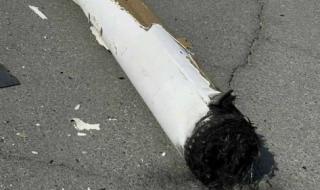
على مستوى الخليج، اعترضت الإمارات صواريخ فوق أجوائها مع سقوط شظايا في أبوظبي ودبي أسفرت عن وفاة شخص واحد، في حين تعرضت البحرين لأكبر حجم من الهجمات بعد إعلان إيران استهداف مقر الأسطول الأمريكي الخامس في المنامة مع تسجيل إصابات مدنية. الكويت أعلنت اعتراض صواريخ وسقوط شظايا داخل مطار الكويت الذي أوقف الحركة الجوية مؤقتاً، بينما أكدت قطر نجاح دفاعاتها الجوية في التصدي لموجات صاروخية متعددة. السعودية أعلنت تعرض منطقتي الرياض والشرقية لهجمات صاروخية، في الوقت الذي أعلن فيه الأردن اعتراض صواريخ باليستية عبر أجوائه.
الحرب حملت أيضاً طابعاً سيبرانياً وإعلامياً مع انقطاع شبه كامل للإنترنت داخل إيران عقب بدء العمليات، في مؤشر على محاولة ضبط البيئة الداخلية خلال المواجهة. وأطلقت الأطراف المتحاربة تسميات مختلفة لعملياتها العسكرية، حيث سمّت إيران عمليتها «الوعد الصادق»، وأطلقت إسرائيل «زئير الأسد»، بينما اختارت الولايات المتحدة تسمية «ملحمة الغضب». مجمل المعطيات تعكس بداية صراع إقليمي مفتوح متعدد الجبهات، تتداخل فيه العمليات العسكرية المباشرة مع الحسابات السياسية والإستراتيجية طويلة المدى.
With the early hours of the outbreak of the new military confrontation in the Middle East, the region has entered a phase described as the most extensive in years, amid indicators confirming that military operations will extend for weeks to come according to preliminary estimates from sources monitoring the escalation. The war on its first day had a clear regional character as its arena expanded to include ten countries: the United States, Israel, Iran, Iraq, Jordan, Saudi Arabia, the UAE, Kuwait, Bahrain, and Qatar, in an escalation that surpasses the level of previous confrontations witnessed in 2025.
The most notable development was Iran's execution of missile strikes towards five Gulf countries within the context of the open confrontation with Israel and the United States, marking a qualitative shift in the nature of the conflict and the expansion of its geographical scope. In contrast, the fronts in Lebanon and Yemen remained calm during the early hours, indicating a calculated management of the regional engagement. This coincided with Iranian threats to close the Strait of Hormuz, raising global concern due to the importance of this maritime passage in international energy movement.
Politically, U.S. President Donald Trump announced the start of the battle and called on the Iranians to take control of their country, while Israeli Prime Minister Benjamin Netanyahu confirmed the continuation of operations until the regime in Tehran is changed. Iran, for its part, announced targeting U.S. military assets within Gulf countries, while Gulf states issued official statements describing the Iranian attacks as cowardly due to targeting their territories during the confrontation with Washington and Tel Aviv.
On the ground, the Iranian capital Tehran and the cities of Isfahan, Tabriz, and Kermanshah witnessed continuous airstrikes carried out by Israeli and American aircraft that began their operations since Saturday morning, with widespread explosions recorded at military sites and infrastructure linked to the Iranian military leadership. Initial reports mentioned targeting the Supreme Leader's headquarters, while Tehran confirmed the safety of its leaders and their relocation to safe locations, at a time when the Iranian Foreign Minister acknowledged the fall of military leaders without providing additional details.
The American role took on a logistical character through support for Israeli air operations and securing operational backing, while Israel justified the timing of the morning attack by the existence of intelligence information regarding meetings of senior leaders that were targeted in the initial strikes. The Iranian missile response to Israel has remained limited so far, as Tehran indicates it retains more destructive weapons, while Israeli assessments suggest that the airstrikes temporarily disrupted some launch platforms.
At the Gulf level, the UAE intercepted missiles over its airspace with debris falling in Abu Dhabi and Dubai, resulting in one death, while Bahrain faced the largest volume of attacks after Iran announced targeting the headquarters of the U.S. Fifth Fleet in Manama, with civilian casualties recorded. Kuwait announced intercepting missiles and debris falling inside Kuwait Airport, which temporarily halted air traffic, while Qatar confirmed the success of its air defenses in repelling multiple missile waves. Saudi Arabia announced missile attacks on the Riyadh and Eastern regions, while Jordan announced intercepting ballistic missiles over its airspace.
The war also took on a cyber and media dimension with a near-total internet blackout inside Iran following the start of operations, indicating an attempt to control the internal environment during the confrontation. The warring parties launched different names for their military operations, with Iran naming its operation "The True Promise," Israel calling its operation "Lion's Roar," while the United States chose the name "Epic of Fury." Overall, the data reflects the beginning of an open regional conflict on multiple fronts, where direct military operations intertwine with long-term political and strategic calculations.
ملحوظة: مضمون هذا الخبر تم كتابته بواسطة عكاظ ولا يعبر عن وجهة نظر مصر اليوم وانما تم نقله بمحتواه كما هو من عكاظ ونحن غير مسئولين عن محتوى الخبر والعهدة علي المصدر السابق ذكرة.