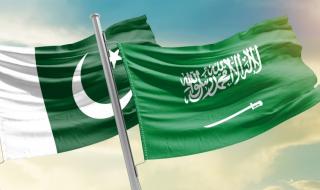

تجاوزت العلاقات السعودية-الباكستانية البعد التقليدي، لتصل إلى مستوى شراكة المصالح الإستراتيجية المتجددة. فالمملكة، في ظل رؤيتها الجيوسياسية لتعزيز الاستقرار الإقليمي، تجد في باكستان شريكاً موثوقاً قادراً على الإسهام في احتواء الأزمات والحيلولة دون توسيع دائرتها، خصوصاً في الملفات التي تتطلب تواصلاً غير مباشر أو أدواراً خلف الكواليس. في المقابل، ترى باكستان في المملكة عمقاً اقتصادياً وسياسياً وإسلامياً يمنحها غطاءً عربياً وإسلامياً مهماً للحراك وإعادة التموضع.
وبرزت باكستان كدولة صانعة للقرار في الإقليم ليس فقط بوصفها شريكاً إستراتيجياً للمملكة، بل كفاعل يمتلك علاقات واسعة في محيط مراكز القوى الدولية والإقليمية، ما يمنحها قدرة استثنائية على التأثير في مسارات الأزمات. فإسلام آباد لم تعد مجرد طرف متلقٍ للتوازنات، بل باتت تسهم في صياغتها، مستفيدة من موقعها الجيوسياسي الحساس، وامتلاكها قوة عسكرية معتبرة، فضلاً عن كونها دولة نووية، ما يضفي على تحركاتها وزناً مضاعفاً في حسابات الردع والاستقرار.
هذا الدور يتعزز عبر شبكة علاقاتها المعقدة؛ فهي تحتفظ بقنوات متنوعة مفتوحة مع الولايات المتحدة، وفي الوقت ذاته ترتبط بشراكة إستراتيجية عميقة مع الصين، إلى جانب قدرتها على التواصل مع أطراف متباينة مثل إيران ودول الخليج. هذه المرونة الدبلوماسية تضعها في موقع «الوسيط النزيه» في لحظات التوتر، كما ظهر في استضافتها مباحثات حساسة في إسلام آباد، وهي المباحثات الأولى الأعلى من نوعها بين واشنطن وطهران، وهو ما يعكس ثقة الأطراف المختلفة بقدرتها على إدارة التوازنات دون الانحياز لأحد.
الأهم أن صعود الدور الباكستاني يأتي في لحظة إقليمية تتسم بإعادة تشكل موازين القوى، حيث لم تعد الهيمنة الأحادية قادرة على فرض الاستقرار، بل باتت الحاجة ملحة لقوى «وسيطة» قادرة على تخفيف حدة الاستقطاب. وهنا تبرز باكستان كقوة «توازن مرن»، لا تصادم القوى الكبرى، بل تدير التناقضات بينها، وهو ما يجعلها عنصراً مهماً في منع الانزلاق نحو مواجهات مفتوحة.
وعليه، فإن توصيف باكستان كـ«صانعة قرار» لا يعني امتلاكها القدرة على فرض الحلول بقدر ما يعكس قدرتها على التأثير في اتجاهاتها، وتشكيل بيئة تفاوضية أكثر قابلية للاحتواء، وهو دور تزداد أهميته كلما تعقدت أزمات المنطقة وتشابكت مصالح الفاعلين فيها. إن توصيف الشراكة السعودية-الباكستانية بأنها «وحدة مصير» لا يأتي من باب المجاز البلاغي فحسب، بل يعكس حقيقة تَشَكُّل علاقة إستراتيجية عميقة تجاوزت حدود المصالح الظرفية إلى مستوى الترابط البنيوي في الأمن والاستقرار والقرار السياسي.
فالعلاقة بين المملكة وباكستان قامت تاريخياً على ركائز أساسية وهي: التكامل في مصادر القوة ومواجهة التهديدات ووحدة المصير والدفاع المشترك، والمملكة تمثل ثقلاً اقتصادياً وروحياً في العالم الإسلامي، بينما تمثل باكستان قوة عسكرية وبشرية، فضلاً عن امتلاكها قدرات نووية تجعلها عنصراً حاسماً في معادلات الردع. هذا التكامل خلق معادلة مفادها أن أمن أحدهما يمتد ليشمل الآخر، وهو ما تجسد في اتفاقية الدفاع المشترك.
و«وحدة المصير» تتجلى بوضوح في إدراك الطرفين أن التحديات التي تواجه المنطقة -من التوترات الإقليمية، إلى صراعات النفوذ، إلى تهديدات الجماعات العابرة للحدود- لا يمكن التعامل معها بمنطق التجزئة. فاستقرار الخليج مرتبط بتوازنات أوسع تمتد إلى جنوب آسيا، والعكس صحيح. ومن هنا، يصبح التنسيق السعودي-الباكستاني ليس خياراً تكتيكياً، بل ضرورة إستراتيجية.
كما أن هذه الشراكة تعكس مستوى عميقاً من الثقة السياسية؛ فباكستان كثيراً ما لعبت دور «الظهير الإستراتيجي» في لحظات حساسة، بينما وقفت المملكة إلى جانب باكستان في أزماتها الاقتصادية، ما عزز مفهوم الاعتماد المتبادل. هذه العلاقة لا تُدار فقط عبر القنوات الرسمية، بل تدعمها روابط شعبية ودينية وثقافية تعطيها بعداً أكثر رسوخاً واستمرارية.
وتجسد الدعم الاقتصادي في الإعلان عن استمرار المملكة في تقديم الدعم السخي لتعزيز الاستقرار الاقتصادي في باكستان من خلال تمديد أجل وديعة المملكة لدى البنك المركزي الباكستاني بقيمة خمسة مليارات دولار، والإعلان عن تقديم وديعة إضافية للبنك المركزي الباكستاني بقيمة ثلاثة مليارات دولار؛ بهدف دعم اقتصاد جمهورية باكستان وتعزيز مرونته في مواجهة المتغيرات الاقتصادية العالمية تعزيزاً لروابط الأخوة بين البلدين الشقيقين.
وفي ظل التحولات الجيوسياسية الراهنة، تتعاظم أهمية الشراكة السعودية-الباكستانية باعتبارها محوراً من محاور «الاستقرار المرن»، حيث يمكن للبلدين معاً أن يساهما في تخفيف الاستقطاب، وفتح قنوات الحوار، واحتواء الأزمات قبل انفجارها. فباكستان بقدرتها على التواصل مع أطراف متباينة، والمملكة بثقلها السياسي والاقتصادي، يشكلان معاً ثنائياً قادراً على التأثير في اتجاهات الإقليم.
وعليه، فإن «وحدة المصير» ليست شعاراً سياسياً، بل هي تعبير عن واقع إستراتيجي قوامه أن أمن الرياض وإسلام آباد مترابط، وأن أي اختلال في توازن أحدهما ينعكس مباشرة على الآخر، ما يجعل من هذه الشراكة أحد أهم ركائز الاستقرار في عالم تتسارع فيه التحولات وتتصاعد فيه التوترات.
The Saudi-Pakistani relations have transcended the traditional dimension, reaching a level of partnership based on renewed strategic interests. The Kingdom, under its geopolitical vision to enhance regional stability, finds in Pakistan a reliable partner capable of contributing to containing crises and preventing their expansion, especially in issues that require indirect communication or behind-the-scenes roles. Conversely, Pakistan sees in the Kingdom an economic, political, and Islamic depth that provides it with significant Arab and Islamic cover for its movements and repositioning.
Pakistan has emerged as a decision-making state in the region, not only as a strategic partner of the Kingdom but also as an actor with extensive relationships within the circles of international and regional power centers, granting it exceptional ability to influence the trajectories of crises. Islamabad is no longer just a recipient of balances; it has begun to contribute to shaping them, benefiting from its sensitive geopolitical location and possessing a considerable military force, in addition to being a nuclear state, which adds significant weight to its actions in deterrence and stability calculations.
This role is enhanced through its complex network of relationships; it maintains various open channels with the United States while simultaneously being linked by a deep strategic partnership with China, alongside its ability to communicate with diverse parties such as Iran and Gulf states. This diplomatic flexibility places it in the position of a "neutral mediator" during moments of tension, as evidenced by its hosting of sensitive talks in Islamabad, which were the first of their kind between Washington and Tehran, reflecting the trust of different parties in its ability to manage balances without bias towards one side.
Importantly, the rise of Pakistan's role comes at a regional moment characterized by the reshaping of power balances, where unilateral dominance is no longer capable of imposing stability, but rather there is an urgent need for "mediating" powers capable of alleviating polarization. Here, Pakistan emerges as a "flexible balance" power, not colliding with major powers but managing the contradictions between them, making it an important element in preventing a slide into open confrontations.
Thus, describing Pakistan as a "decision-maker" does not mean it has the ability to impose solutions but rather reflects its capacity to influence their directions and shape a more negotiable environment, a role that becomes increasingly important as the region's crises become more complex and the interests of its actors intertwine. Describing the Saudi-Pakistani partnership as a "unity of destiny" is not merely a rhetorical figure but reflects the reality of a deep strategic relationship that has transcended the boundaries of circumstantial interests to a level of structural interconnection in security, stability, and political decision-making.
The relationship between the Kingdom and Pakistan has historically been based on fundamental pillars: integration in sources of power, confronting threats, a shared destiny, and mutual defense. The Kingdom represents an economic and spiritual weight in the Islamic world, while Pakistan represents military and human power, in addition to possessing nuclear capabilities that make it a decisive element in deterrence equations. This integration has created a formula whereby the security of one extends to encompass the other, as embodied in the mutual defense agreement.
The "unity of destiny" is clearly manifested in the recognition by both parties that the challenges facing the region—from regional tensions to power struggles to threats from transnational groups—cannot be addressed through a fragmented logic. The stability of the Gulf is linked to broader balances extending to South Asia, and vice versa. Hence, Saudi-Pakistani coordination is not a tactical option but a strategic necessity.
This partnership also reflects a deep level of political trust; Pakistan has often played the role of "strategic backer" during sensitive moments, while the Kingdom has stood by Pakistan during its economic crises, reinforcing the concept of mutual dependence. This relationship is not managed solely through official channels but is supported by popular, religious, and cultural ties that give it a more solid and lasting dimension.
The economic support is embodied in the announcement of the Kingdom's continued generous support to enhance economic stability in Pakistan through the extension of the Kingdom's deposit with the State Bank of Pakistan amounting to five billion dollars, and the announcement of an additional deposit of three billion dollars to the State Bank of Pakistan; aimed at supporting the economy of the Islamic Republic of Pakistan and enhancing its resilience in facing global economic changes, thereby strengthening the bonds of brotherhood between the two brotherly countries.
In light of the current geopolitical transformations, the importance of the Saudi-Pakistani partnership is magnified as it represents a cornerstone of "flexible stability," where both countries can together contribute to alleviating polarization, opening channels of dialogue, and containing crises before they explode. Pakistan, with its ability to communicate with diverse parties, and the Kingdom, with its political and economic weight, together form a duo capable of influencing the region's directions.
Therefore, the "unity of destiny" is not a political slogan but an expression of a strategic reality based on the premise that the security of Riyadh and Islamabad is interconnected, and that any imbalance in the stability of one directly reflects on the other, making this partnership one of the most important pillars of stability in a world where transformations are accelerating and tensions are rising.
ملحوظة: مضمون هذا الخبر تم كتابته بواسطة عكاظ ولا يعبر عن وجهة نظر مصر اليوم وانما تم نقله بمحتواه كما هو من عكاظ ونحن غير مسئولين عن محتوى الخبر والعهدة علي المصدر السابق ذكرة.