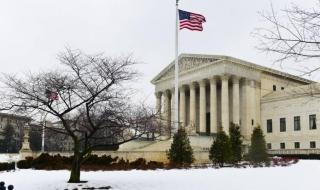

أعلن الرئيس الأمريكي دونالد ترمب، اليوم (السبت)، رفع الرسوم الجمركية العالمية من 10% إلى 15%، وذلك فوراً، كرد فعل على قرار المحكمة العليا الأمريكية الذي أبطل رسوماً جمركية سابقة فرضها بموجب قانون الطوارئ الاقتصادية.
وفي منشور على منصة «تروث سوشيال»، قال ترمب: «كرئيس للولايات المتحدة سأرفع فوراً الرسوم الجمركية العالمية بنسبة 10% التي أعلنت عنها أمس إلى المستوى المسموح به قانونياً، وهو 15%»، مضيفاً أن العديد من الدول «سرقت» الولايات المتحدة لعقود دون رد حتى جاء هو.
يأتي الإعلان بعد يوم واحد فقط من فرض ترمب رسوماً جمركية عالمية بنسبة 10% بموجب البند 122 من قانون التجارة لعام 1974، الذي يتيح فرض رسوم مؤقتة تصل إلى 15% لمدة 150 يوماً لمواجهة «عجز مدفوعات كبير وخطير» ومنع انخفاض قيمة الدولار في الأسواق الدولية.
ووصف ترمب قرار المحكمة العليا بأنه «معادٍ لأمريكا»، مؤكداً أن الرسوم الجديدة ستكون فوق الرسوم التجارية الموجودة بالفعل.
وأثار الإعلان مخاوف اقتصادية عالمية، حيث يُتوقع أن يؤدي إلى ارتفاع أسعار السلع المستوردة في الولايات المتحدة، وردود فعل تجارية من دول مثل الصين والاتحاد الأوروبي، ما قد يعيق النمو الاقتصادي العالمي في ظل التوترات الجيوسياسية المستمرة.
وفي ولايته الثانية التي بدأت يناير 2025، سعى ترمب لاستعادة سياساته الحمائية التجارية التي طبعها في الفترة 2017-2021، مع التركيز على فرض رسوم جمركية «متبادلة» لمواجهة ما يصفه بـ«استغلال الدول الأخرى لأمريكا» وتعزيز التصنيع المحلي وتقليص العجز التجاري.
وفي أبريل 2025، أصدر ترمب أوامر تنفيذية بفرض رسوم جمركية واسعة تبدأ من 10% على جميع الواردات، مع زيادات تصل إلى 50% على بعض الدول مثل الصين، و25% على كندا والمكسيك بسبب قضايا المخدرات، مستنداً إلى قانون الطوارئ الاقتصادية الدولية لعام 1977، الذي يمنح الرئيس صلاحيات واسعة في حالات «الطوارئ الوطنية»، لكنه لا يذكر صراحة «الرسوم الجمركية».
وأدت هذه الرسوم إلى دعاوى قضائية من مستوردين وشركات، انتهت بقرار المحكمة العليا في 20 فبراير بأن القانون لا يمنح الرئيس سلطة فرض رسوم جمركية، لأن فرض الضرائب على الواردات اختصاص حصري للكونغرس بموجب الدستور.
وأبطل القرار القضائي الرسوم، ما يعني إمكانية مطالبات برد مليارات الدولارات قد تصل إلى 130 مليار دولار حسب تقديرات بعض التقارير.
U.S. President Donald Trump announced today (Saturday) the increase of global tariffs from 10% to 15%, effective immediately, in response to the U.S. Supreme Court's decision that overturned previous tariffs he imposed under the Economic Emergency Act.
In a post on the "Truth Social" platform, Trump said, "As President of the United States, I will immediately raise the global tariffs of 10% that I announced yesterday to the legally permissible level, which is 15%," adding that many countries have "stolen" from the United States for decades until he came along.
The announcement comes just one day after Trump imposed a global tariff of 10% under Section 122 of the Trade Act of 1974, which allows for temporary tariffs of up to 15% for 150 days to address a "large and serious payments deficit" and prevent the devaluation of the dollar in international markets.
Trump described the Supreme Court's decision as "anti-American," asserting that the new tariffs would be in addition to the existing trade tariffs.
The announcement has raised global economic concerns, as it is expected to lead to higher prices for imported goods in the United States and trade reactions from countries like China and the European Union, which could hinder global economic growth amid ongoing geopolitical tensions.
In his second term, which begins in January 2025, Trump seeks to restore the protectionist trade policies he implemented during the 2017-2021 period, focusing on imposing "reciprocal" tariffs to counter what he describes as "other countries exploiting America" and to boost domestic manufacturing while reducing the trade deficit.
In April 2025, Trump issued executive orders imposing broad tariffs starting at 10% on all imports, with increases of up to 50% on certain countries like China, and 25% on Canada and Mexico due to drug-related issues, relying on the International Economic Emergency Act of 1977, which grants the president broad powers in cases of "national emergencies," but does not explicitly mention "tariffs."
These tariffs led to lawsuits from importers and companies, culminating in a Supreme Court ruling on February 20 that the law does not grant the president the authority to impose tariffs, as taxing imports is an exclusive jurisdiction of Congress under the Constitution.
The judicial ruling overturned the tariffs, meaning there could be claims for refunds amounting to billions of dollars, potentially reaching $130 billion according to some reports.
ملحوظة: مضمون هذا الخبر تم كتابته بواسطة عكاظ ولا يعبر عن وجهة نظر مصر اليوم وانما تم نقله بمحتواه كما هو من عكاظ ونحن غير مسئولين عن محتوى الخبر والعهدة علي المصدر السابق ذكرة.