
أكد الأمين العام لمجلس التعاون لدول الخليج العربية جاسم محمد البديوي، أن العلاقات بين دول مجلس التعاون ودول آسيا الوسطى تقوم على أسس راسخة من التاريخ المشترك والمصالح المتبادلة، ونحن على ثقة بأن هذه الشراكة ستشهد مزيدًا من النمو والازدهار في السنوات القادمة، بما يجسد طموحات شعوبنا نحو مستقبل أكثر استقرارًا وازدهارًا وتكاملًا.
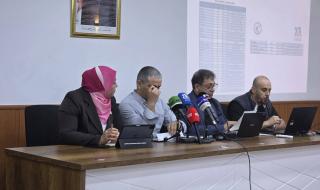
جاء ذلك خلال مشاركة الأمين العام في ورشة عمل «تعزيز الشراكة الإستراتيجية بين دول مجلس التعاون الخليجي ودول آسيا الوسطى: من الروابط التاريخية إلى التعاون الشامل»، التي ينظمها مركز الخليج للأبحاث، بالتعاون مع معهد الدراسات الإستراتيجية والإقليمية بمكتب رئيس جمهورية أوزباكستان، اليوم في مدينة الرياض، بحضور رئيس مركز الخليج للأبحاث الدكتور عبدالعزيز بن صقر، ومدير معهد الدراسات الإستراتيجية والإقليمية بمكتب رئيس جمهورية أوزباكستان الدكتور اليدور أريبوف، وعدد من أصحاب السعادة سفراء دول آسيا الوسطى المعتمدين بالرياض.
وفي مستهل الكلمة تقدم الأمين العام، بخالص الشكر لرئيس مركز الخليج للأبحاث الدكتور عبدالعزيز بن صقر، على مبادرته لتنظيم هذه الورشة، التي تجمع سفراء دول آسيا الوسطى المعتمدين بالرياض مع نخبة مميزة من الباحثين والمهتمين والإعلاميين من الجانبين، نتبادل خلالها وجهات النظر وسبل تطوير العلاقات الإستراتيجية وتعزيز التعاون بين دول مجلس التعاون ودول آسيا الوسطى، مثمنًا حرص الباحثين والخبراء من دول آسيا الوسطى.
وأفاد بأن العلاقات بين مجلس التعاون ودول آسيا الوسطى تُعد من العلاقات الإقليمية الواعدة التي تشهد تطورًا متزايدًا في العقود الأخيرة، وهذه العلاقات ليست وليدة اللحظة، بل تمتد جذورها إلى روابط تاريخية وثقافية ودينية عميقة، إضافة إلى المصالح الاقتصادية والأمنية المشتركة التي تجمع المنطقتين، فدول آسيا الوسطى تملك ثروات طبيعية هائلة، خصوصا في مجال الطاقة (النفط والغاز الطبيعي)، إضافة إلى المعادن النادرة والموارد الزراعية، هذه الثروات تجعلها شريكًا اقتصاديًا مهمًا لدول مجلس التعاون، التي تسعى إلى تنويع شراكاتها الاقتصادية وتعزيز استثماراتها الخارجية، كما تمتلك دول المجلس خبرات كبيرة في مجال إدارة الطاقة والاستثمار في البنية التحتية، وهو ما تحتاجه دول آسيا الوسطى لتطوير قطاعاتها الاقتصادية، وأن هناك فرصًا للتعاون في مجالات الزراعة، إذ تسعى دول مجلس التعاون الاستفادة من الفرص الاستثمارية في المجالات الزراعية لتأمين احتياجاتها الغذائية، إلا أن طرق النقل التجارية تحول دون الاستفادة القصوى من هذه الفرص، التي يتطلب مرورها من خلال الأراضي الإيرانية عبورًا إلى دول مجلس التعاون، وهي عقبة لا سيما في الوضع الحالي.
وأشار إلى أن دول المجلس ودول آسيا الوسطى تشترك في العديد من التحديات الأمنية، مثل مكافحة الإرهاب، والحد من التطرف، وضمان الاستقرار الإقليمي، هذه التحديات تفتح الباب أمام تعزيز التعاون الأمني وتبادل المعلومات بين الطرفين.
وأوضح أن التكامل الاقتصادي بين دول مجلس التعاون ودول آسيا الوسطى وأذربيجان يُشكل ركيزة أساسية في تعزيز العلاقات التجارية والاستثمارية، ويمثل عاملًا محوريًا في تحقيق التنمية المستدامة، فقد بلغ الناتج المحلي الإجمالي لدول مجلس التعاون 2.3 تريليون دولار في عام 2024، مما يعكس متانة الاقتصادات الخليجية وقدرتها التنافسية على المستوى العالمي، وسجلت الصادرات السلعية 823.1 مليار دولار، في حين بلغت الواردات السلعية 659.3 مليار دولار، مما جعل دول المجلس تحتل المرتبة التاسعة عالميًا في إجمالي الصادرات، والمرتبة الرابعة عشرة عالميًا في إجمالي الواردات، وهذه المؤشرات تؤكد أهمية تعميق التعاون الاقتصادي وتعزيز الاستثمارات المتبادلة بين دول مجلس التعاون وشركائها، من خلال إزالة العوائق التجارية، وتطوير البنية التحتية الرقمية، وتعزيز التكامل في سلاسل التوريد، بما يسهم في تحقيق الاستقرار الاقتصادي والازدهار المشترك.
وأكد أن التبادل التجاريُ مثّل بين دول مجلس التعاون ودول آسيا الوسطى، فرصةً واعدةً لم تبلغ بعد حجمها الحقيقي، فعلى الرغم من بلوغ إجمالي التبادل التجاري السلعي بين الجانبين نحو 10 مليارات دولار في عام 2023، إلا أن هذا الرقم لا يمثّل سوى 0.7% من إجمالي حجم التبادل التجاري الكلي لدول المجلس، وقد بلغت صادرات دول المجلس إلى دول آسيا الوسطى نحو 8 مليارات دولار مقابل واردات بلغت 1.6 مليار دولار، مما يكشف عن هامش واسع من الإمكانات غير المستثمرة بين المنطقتين، وانطلاقًا من هذا الواقع، علينا أن نرفع مستوى هذا التبادل إلى مراتب أعلى، من خلال توسيع قنوات الشراكة الاستثمارية، وتعزيز التكامل الاقتصادي، وبناء جسور تجارية راسخة تُسهم في تحقيق التنمية المستدامة لشعوب المنطقتين.
أما بشأن الوضع الراهن في منطقة الخليج العربي، فقد بين التحديات الأمنية الجسيمة التي تواجهها دول مجلس التعاون في الوقت الراهن، ذاكرًا أنه منذ الثامن والعشرين من فبراير 2026، تتعرض دول مجلس التعاون لهجمات صاروخية وبطائرات مسيّرة تجاوزت ستة آلاف هجمة خلال شهر واحد فقط، طالت منشآت مدنية حيوية من موانئ ومطارات ومنشآت طاقة ومناطق سكنية، مخلّفةً خسائر في الأرواح وأضرارًا مادية جسيمة، فقد أدان مجلس الأمن الدولي هذه الهجمات صراحةً بموجب القرار 2817، مطالبًا بوقفها الفوري، ونُعوّل على المجتمع الدولي في ضمان تنفيذه الكامل ومنع تكرار هذه الاعتداءات، مجددًا شكره وتقديره لدول المشاركين في الورشة على دعم دولهم لهذا القرار.
وقال الأمين العام: إن تداعيات هذه الأزمة امتدت لتطال أمن الملاحة في مضيق هرمز، الذي يعبر منه ما يزيد على 20% من إمدادات الطاقة العالمية، مما يُلقي بظلاله على اقتصادات دول العالم كافة، بما فيها دول آسيا الوسطى الشقيقة، وأن دول المجلس تؤكد تمسكها الكامل بحقها المشروع في الدفاع عن النفس وفقًا للمادة (51) من ميثاق الأمم المتحدة، واتخاذ ما يلزم من إجراءات لحماية أمنها وسيادتها وسلامة شعوبها ومنشآتها الحيوية، مع التزامها الراسخ في الوقت ذاته بتجنب التصعيد والحفاظ على السلم والأمن الإقليمي والدولي.
واختتم كلمته قائلًا: «إننا نُعوّل على دعم أشقائنا وأصدقائنا في مساندة جهود الشرعية الدولية، وصون مبادئ القانون الدولي، وضمان استقرار إمدادات الطاقة لصالح الجميع».
The Secretary-General of the Gulf Cooperation Council, Jassim Mohammed Al-Budaiwi, affirmed that the relations between the GCC countries and Central Asian countries are based on solid foundations of shared history and mutual interests. we are confident that this partnership will witness further growth and prosperity in the coming years, embodying the aspirations of our peoples towards a more stable, prosperous, and integrated future.
This came during the Secretary-General's participation in the workshop titled "Enhancing the Strategic Partnership between the Gulf Cooperation Council and Central Asian Countries: From Historical Links to Comprehensive Cooperation," organized by the Gulf Research Center in collaboration with the Institute for Strategic and Regional Studies at the Office of the President of the Republic of Uzbekistan, today in Riyadh, in the presence of the President of the Gulf Research Center, Dr. Abdulaziz bin Saqr, the Director of the Institute for Strategic and Regional Studies at the Office of the President of the Republic of Uzbekistan, Dr. Alidour Aripov, and a number of esteemed ambassadors of Central Asian countries accredited in Riyadh.
At the beginning of his speech, the Secretary-General expressed his sincere thanks to the President of the Gulf Research Center, Dr. Abdulaziz bin Saqr, for his initiative to organize this workshop, which brings together the ambassadors of Central Asian countries accredited in Riyadh with a distinguished group of researchers, interested parties, and media representatives from both sides, where we exchange views and ways to develop strategic relations and enhance cooperation between the GCC countries and Central Asian countries, appreciating the commitment of researchers and experts from Central Asia.
He stated that the relations between the GCC and Central Asian countries are among the promising regional relations that have witnessed increasing development in recent decades. These relations are not a recent phenomenon; rather, their roots extend to deep historical, cultural, and religious ties, in addition to the shared economic and security interests that unite the two regions. Central Asian countries possess immense natural resources, particularly in the energy sector (oil and natural gas), as well as rare minerals and agricultural resources. These resources make them an important economic partner for the GCC countries, which seek to diversify their economic partnerships and enhance their foreign investments. The GCC countries also have significant expertise in energy management and infrastructure investment, which Central Asian countries need to develop their economic sectors. There are opportunities for cooperation in agriculture, as the GCC countries seek to benefit from investment opportunities in agricultural sectors to secure their food needs. However, commercial transportation routes hinder the maximum utilization of these opportunities, which require passage through Iranian territories to reach the GCC countries, presenting an obstacle, especially in the current situation.
He pointed out that the GCC countries and Central Asian countries share many security challenges, such as combating terrorism, reducing extremism, and ensuring regional stability. These challenges open the door to enhancing security cooperation and information exchange between the two parties.
He clarified that economic integration between the GCC countries, Central Asian countries, and Azerbaijan constitutes a fundamental pillar in enhancing trade and investment relations and represents a key factor in achieving sustainable development. The GDP of the GCC countries reached $2.3 trillion in 2024, reflecting the robustness of Gulf economies and their competitive capacity on a global level. Goods exports reached $823.1 billion, while goods imports amounted to $659.3 billion, making the GCC countries rank ninth globally in total exports and fourteenth globally in total imports. These indicators confirm the importance of deepening economic cooperation and enhancing mutual investments between the GCC countries and their partners by removing trade barriers, developing digital infrastructure, and enhancing integration in supply chains, contributing to achieving economic stability and mutual prosperity.
He emphasized that trade exchange between the GCC countries and Central Asian countries represents a promising opportunity that has not yet reached its true scale. Despite the total goods trade exchange between the two sides reaching about $10 billion in 2023, this figure represents only 0.7% of the total trade volume of the GCC countries. The GCC's exports to Central Asian countries amounted to about $8 billion, while imports reached $1.6 billion, revealing a wide margin of uninvested potential between the two regions. Based on this reality, we must elevate this exchange to higher levels by expanding investment partnership channels, enhancing economic integration, and building solid trade bridges that contribute to achieving sustainable development for the peoples of both regions.
Regarding the current situation in the Arabian Gulf region, he outlined the serious security challenges facing the GCC countries at present, mentioning that since February 28, 2026, the GCC countries have been subjected to missile and drone attacks exceeding six thousand attacks in just one month, targeting vital civilian facilities such as ports, airports, energy facilities, and residential areas, resulting in loss of life and significant material damage. The United Nations Security Council explicitly condemned these attacks under Resolution 2817, calling for their immediate cessation, and we rely on the international community to ensure its full implementation and prevent the recurrence of these aggressions, reiterating his gratitude and appreciation to the participating countries in the workshop for their support of this resolution.
The Secretary-General stated that the repercussions of this crisis have extended to the security of navigation in the Strait of Hormuz, through which more than 20% of global energy supplies pass, casting shadows over the economies of all countries, including the brotherly Central Asian countries. The GCC countries affirm their full commitment to their legitimate right to self-defense in accordance with Article 51 of the United Nations Charter and to take necessary measures to protect their security, sovereignty, and the safety of their peoples and vital facilities, while firmly committing to avoiding escalation and maintaining regional and international peace and security.
He concluded his speech by saying: "We rely on the support of our brothers and friends in assisting the efforts of international legitimacy, upholding the principles of international law, and ensuring the stability of energy supplies for the benefit of all."
ملحوظة: مضمون هذا الخبر تم كتابته بواسطة عكاظ ولا يعبر عن وجهة نظر مصر اليوم وانما تم نقله بمحتواه كما هو من عكاظ ونحن غير مسئولين عن محتوى الخبر والعهدة علي المصدر السابق ذكرة.