

أوصى إمام وخطيب المسجد الحرام فضيلة الشيخ الدكتور فيصل بن جميل غزاوي المسلمين بتَّقُوى اللَّهَ، فَمَنِ اتَّقَى رَبَّهُ جَعَلَ لَهُ بَيْنَ الْحَقِّ وَالْبَاطِلِ فُرْقَانَا، وَرَزَقَهُ فِيمَا يُرِيدُ مِنَ الْخَيْرِ إِمْكَانًا.
وقال في خطبة الجمعة التي ألقاها اليوم بالمسجد الحرام: إِنَّ مِنْ حِكْمَةِ اللَّهِ تَعَالَى وَدَلَائِلِ رُبُوبِيَّتِهِ وَوَحْدَانِيَّتِهِ وَصِفَاتِ كَمَالِهِ تَخْصِيصَ بَعْضٍ مَخْلُوقَاتِهِ بِمَزَايَا وَفَضَائِلَ، وَمِنْ مَظَاهِرِ اصْطِفَاءِ اللَّهِ اصْطِفَاءُ الأَزْمِنَةِ وَالأَمْكِنَةِ، فَفِي الزَّمَانِ نَجِدُ أَنَّ اللَّهَ اخْتَارَ أَشْهُرَ الْحَجِّ وَالأَشْهُرَ الْحُرُمَ عَلَى غَيْرِهَا مِنَ الشُّهُورِ، وَاصْطَفَى رَمَضَانَ عَلَى سَائِرِ شُهُورِ العَامِ، وَاصْطَفَى يَوْمَ الْجُمُعَةِ عَلَى سَائِرِ أَيَّامِ الأُسْبُوعِ، وَاصْطَفَى يَوْمَ النَّحْرِ عَلَى سَائِرِ الأَيَّامِ، وَاصْطَفَى لَيْلَةَ الْقَدْرِ عَلَى بَقِيَّةِ اللَّيَالِي، وَفِي الْأَمْكِنَةِ نَجِدُ مِنْ أَمْثِلِةِ ذَلِكَ أَنَّ اللَّهَ تَعَالَى اصْطَفَى مِنَ البِلادِ خَيْرَها وأشْرَفَها، وهي البَلَدُ الحَرامُ.
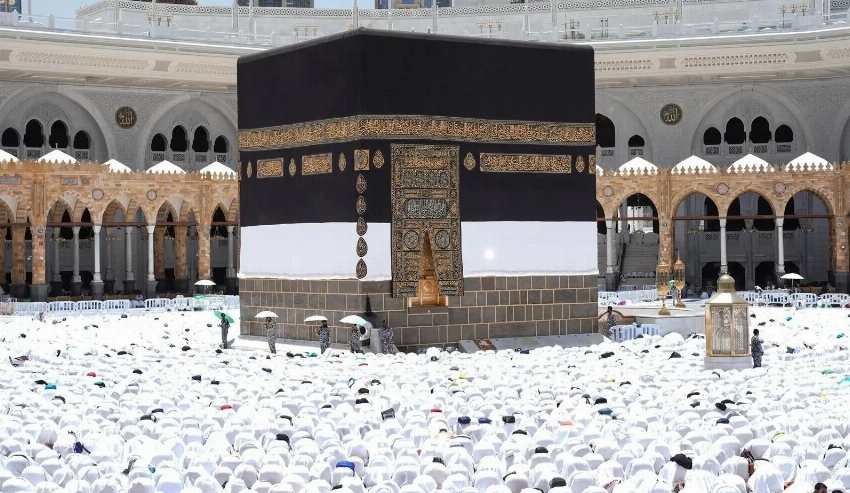
وأشار فضيلته إلى أن مَكَانَةِ الْأَشْهُرِ الْحُرُمِ عند الْعَرَبَ فِي الْجَاهِلِيَّةِ كَانُوا يُعَلِّمُونَهَا؛ فَلَا يَطْلُبُونَ فِيهَا دَمًا، وَلَا يُقَاتِلُونَ بِهَا عَدُوًّا، وَلَا يَهْتِكُونَ فِيهَا حُرْمَةً، وَلَا يُمْكِنُ أَنْ يَعْتَدِيَ أَحَدٌ عَلَى أَحَدٍ، حَتَّى لَوْ وَجَدَ قَاتِلَ أَبِيهِ لَمْ يَقْتُلْهُ.
وأكد أن الله سبحانه وتعالى هَيَّأَ لِعِبَادِهِ مَوَاسِمَ عَظِيمَةً وَأَيَّامًا فَاضِلَةً؛ لِتَكُونَ مَغْنَمًا لِلطَّائِعِينَ، وَمَيْدَانًا لِتَنَافُسِ المُتَنَافِسِينَ، فَالسَّعِيدُ مَنِ اغْتَنَمَ مَوَاسِمَ الشُّهُورِ وَالأَيَّامِ وَالسَّاعَاتِ، وَتَقَرَّبَ فِيهَا إِلَى مَوْلَاهُ بِمَا فِيهَا مِنْ وَظَائِفِ الطَّاعَاتِ، فَعَسَى أَنْ تُصِيبَهُ نَفْحَةٌ مِنْ تِلْكَ النَّفَحَاتِ، فَيَسْعَدَ بِهَا سَعَادَةً يَأْمَنُ بِهَا مِنَ النَّارِ وَمَا فِيهَا مِنَ اللَّفَحَاتِ عَلَيْهِ فَلْنَسْتَشْعِرْ عِبَادَ اللَّهِ - أَنَّنَا عَلَى مَشَارِفِ عَشْرِ ذِي الحِجَّةِ الَّتِي أَقْسَمَ اللَّهُ بِمَا فِي كِتَابِهِ فَقَالَ: (وَالْفَجْرِ وَلَيَالٍ عَشْرٍ)، وَعَشْرُكُمْ هَذِهِ هِيَ خَاتِمَةُ الأَشْهُرِ المَعْلُومَاتِ.
وبين فضيلة الشيخ فيصل غزاوي أن هَذِهِ الْعَشْرَ الْمُبَارَكَاتِ مِنْ أَطْيَبِ الْأَزَمَنِةِ الَّتِي يَنْبَغِي أَنْ تُسْتَغَلَّ دَقَائِقُها وَسَاعَاتُهُا، وَأَخْصَبٍ المواسمِ الَّتِي يَحْسُنُ أَنْ يُتَعَرَّضَ لِنَفَحَاتِها، وَأَعْذَبِ المَوَارِدِ الَّتِي يَتَأَكَّدُ أَنْ تُهْتَبَلَ هِبَاتُهَا، قَالَ ابْنُ حَجَرٍ رَحِمَهُ اللَّهُ: «وَالَّذِي يَظْهَرُ أَنَّ السَّبَبَ فِي امْتِيَازِ عَشْرِ ذِي الْحِجَّةِ؛ لِمَكَانِ اجْتِمَاعِ أُمَّهَاتِ الْعِبَادَةِ فِيهِ، وَهِيَ الصَّلَاةُ وَالصِّيَامُ وَالصَّدَقَةُ وَالْحَج، وَلَا يَتَأَنَّى ذَلِكَ فِي غَيْرِهَا».
وأضاف: إِنَّ مِمَّا يُلْحُظُ أَنَّ أَيَّامَ الْعَشْرِ الْفَضِيلَةِ تَقَعُ فِي آخِرِ الْعَامِ؛ فَكَأَنَّهَا تَعْوِيضُ لِلْمُفَرِّطِينَ وَالْمُقَصِّرِينَ؛ كَيْ يَسْتَدْرِكَ الْعَبْدُ مَا فَاتَهُ، وَيَسْتَعِدَّ لِمَا أَمَامَهُ، مُسْتَحْضِرًا عَظَمَةَ مَوْلَاهُ، رَاجِيًا عَفْوَهُ وَرِضَاهُ؛ فَالْأَعْمَارُ تُطْوَى سِرَاعًا، وَالْأَوْقَاتُ تَمُرُّ تِبَاعًا.
واختتم فضيلته الخطبةَ قائلًا: «كُلِّ يَوْمٍ يَمْضِي فَإِنَّ الْعُمْرَ يَنْقُصُ، وَالْأَجَلَ يَقْتَرِبُ، وَالْحِسْمَ يَضْعُفُ، وَالصِّحَّةَ تَتَرَاجَعُ، وَالْعَوَائِقَ تَكْثُرُ، وَفُرَصَ الْاغْتِنَامِ تَقِلُّ، فَلْنَحَرِصْ عَلَى مَا يَنْفَعُنَا، وَلْنُقْبِلْ عَلَى اللهِ بِتَوْبَةٍ نَصُوحٍ فَقَدْ أَوْجَبَهَا اللهُ عَلَيْنَا جَمِيعًا».
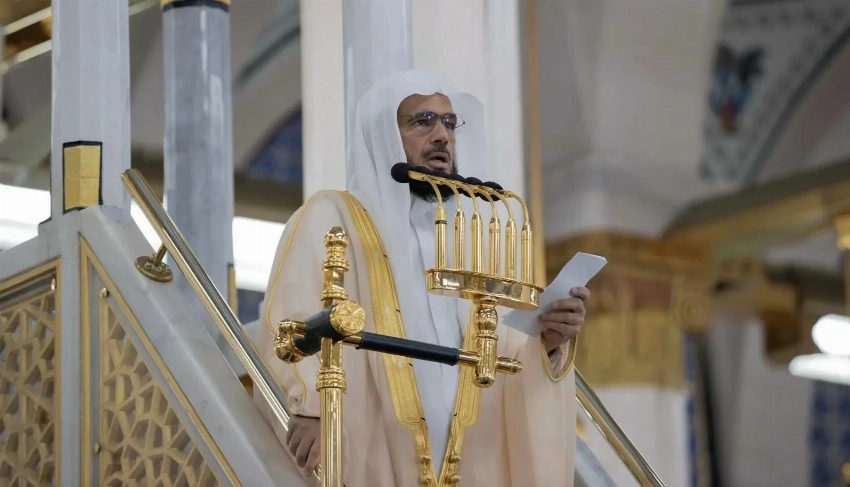
كما أكد إمام وخطيب المسجد النبوي الشيخ الدكتور عبدالباري بن عواض الثبيتي، أن رحلة الحج لا تُقاس بعدد الخطوات، ولا بعدد المناسك، بل بما يقع في القلوب من تقوى، وصدق العمل، والإخلاص في الدعاء، وحسن الوقوف بين يدي المولى عز وجلّ؛ ليفوز الحاج بقبول العمل ومغفرة الذنوب.
واستهل الشيخ الدكتور الثبيتي خطبة الجمعة من المسجد النبوي، موصيًا العباد بتقوى الله تعالى، بوصفها الزاد، والنجاة، وسرّ القبول، قال الله سبحانه: «يَأَيُّهَا الَّذِينَ آمَنُوا اتَّقُوا اللَّهَ حَقَّ تُقَاتِهِ وَلَا تَمُوتُنَّ إِلَّا وَأَنتُم مُّسْلِمُونَ»، مبينًا أن هذه الجموع المباركة وفدت من أقاصي الأرض، ساقتها أشواق صادقة، وتحدوها آمال عظيمة، ترجو عفوًا يغسل الذنوب، ومغفرة تمحو الآثام، ورحمة تضمد القلوب، جاءت مثقلة بأعبائها، تحمل في صدورها ما أثقلها من ذنوب وهموم، متوجهة إلى ربٍ عظيم، بقلبٍ موقنٍ بكرمه تعلم أنه لا يردّ من قصده، ولا يخيب من رجاه، جاءت وقد خلّفت وراءها ضجيج الدنيا وزخرفها، لتقف في ساحات الطُّهر، والرجاء «إذا صدق»، حمل صاحبه إلى مواطن العفو.
وأوضح إمام وخطيب المسجد النبوي أن رحلة الحاج تبدأ بالإحرام، فيخلع ثيابه، وكأنه يخلع معها ما تعلق بنفسه من أثقال الدنيا وهمومها، فيتجرّد ظاهرًا، ويتجرّد باطنًا من الكبر والرياء والمباهاة، ويترك في هذه البقاع المباركة كل تعلقٍ بغير الله، لتقف جموع الحجيج بلباسٍ واحد، فتسقط الفوارق، وتذوب الحواجز، ويظهر معنى الأمة الواحدة في أبهى صوره، وأنت أيها الحاج واحدٌ من هذه الأمة العظيمة، العظيمة بوحدتها الراسخة في تاريخها، السامية في قيمها، أمةٌ يجتمع أبناؤها على عقيدة واحدة، وقِبلة واحدة، وربٌّ واحد، يتعلم أفرادها أن التفاضل ليس في الصور والمظاهر، ولا في الأموال والمناصب، وإنما فيما وقر في القلوب من إيمان، وصدقته النيات، وترجمته الأعمال، قال تعالى: «إِنَّ أكْرَمَكُمْ عِندَ اللَّهِ أَتْقَاكُمْ».
وبيّن أن الحاج حينما يرفع صوته: لبيك اللهم لبيك، فهي كلمة تختصر معنى الحياة كلها، وكأنه يقول؛ أنا لك يا رب، مستجيبٌ لأمرك، مُقبلٌ عليك، تاركٌ ما سواك، تتردد التلبية صوتًا على اللسان، ومعنى يسكن القلب ويوقظه، ثم تتحول هذه المعاني إلى سلوكٍ في الحياة، خشوعًا في الصلاة، وأمانة في العمل، وصدقًا في المعاملة، واستقامةً في الطريق، ثم يدخل في الطواف، فيطوف حول البيت وتطوف معه معانٍ أعظم في القلب، فلا يدور قلبه حول شهوته، ولا حول ماله، ولا حول هواه، ولا حول رضا الناس، بل حول رضا الله وحده، وكأن الطواف يعيد تحديد الوجهة، ويُعلّمه أن يجعل الله غايته، وأن الحياة كلها دائرة حول مرضاة الله، ثم يسعى بين الصفا والمروة، مستحضرًا سعي هاجر عليها السلام، حين كانت في واد ٍلا زرع فيه ولا ماء، لكنها كانت مع الله، فسعت بجسدها، واطمأن قلبها بربها، فيتعلم الحاج أن يأخذ بالأسباب دون أن يعبدها، وأن يسعى في الأرض وقلبه معلقٌ برب السماء.
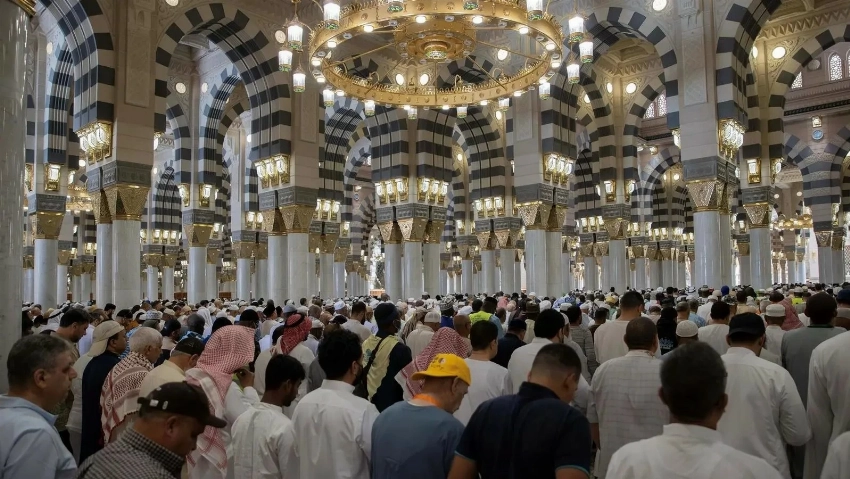
وتابع فضيلته: «مناسك الحج التي يبذلها الحاج في رحلته الإيمانية، إذ يأتي يوم عرفة الذي تتشوف له القلوب، وتقف فيه النفوس مع نفسها وقفة صدق، يرى الإنسان ضعفه، ويتذكر تقصيره، ويستحضر ذنوبه، فينكسر بين يدي ربه، ويسكب دموع الخشية والرجاء من عينيه، وهو يعلم أن باب الله لا يغلق، وأن رحمته أوسع من ذنوبنا، فمن صدق في الرجوع فتح الله له أبواب القبول، ثم يرمي الجمرات، فيرمي الحصى، وكأنه يرمي معه ذنوبًا اعتادها، وعادات محرُّمة ألفها، واستسلامًا طال للشيطان، معلنًا عزمه أن يقطع طريق العودة إلى المعصية، وأن يختار طريق الاستقامة والمجاهدة، وفي الزحام، حين يزاحمه الناس، أو يخطئ عليه غيره، يتعلم الصبر والحِلم، ويحفظ لسانه، ويكظم غيظه، امتثالًا لقول الله تعالى: "فَلَا رَفَتَ وَلَا فُسُوقَ وَلَا جِدَالَ فِي الْحَجَّ"، ثم يعود بهذا الخُلق إلى حياته كلها، في بيته، وفي عمله، وفي معاملاته، وفي كل شأنه، واصفًا الحج بأنه مدرسة ربانية إيمانية، يخرج منها الحاج وقد تزوّد بالتقوى، وصفَت نفسه، وزكا قلبه، ونقى سلوكه، وتهذب خُلُقه، قال الله تعالى: "لَن يَنَالَ اللَّهَ لُحُومُهَا وَلَا دِمَاؤُهَا وَلَكِن يَنَالُهُ التَّقْوَى مِنكُمْ".
واختتم الشيخ الدكتور عبدالباري الثبيتي الخطبة مذكرًا أن من رحمة الله بعباده، أنه لم يجعل الخير للحجاج وحدهم، بل فتح أبوابه للجميع، فأيام العشر من ذي الحجة، أيامٌ عظيمة، أقسم الله بها، «وَالْفَجْرِ وَلَيَالٍ عَشْرِ»، وما أقسم الله بشيء إلا لعظيم شأنه، مبينًا أنها أيامُ تتضاعف فيها الأجور، وتتنزل فيها الرحمات، فيها الصلاة، والصيام، والذكر، والصدقة، وفيها التكبير، تجتمع فيها أنواع العبادات، مبينًا أن من أعظم أيامها، يوم عرفة، يوم المغفرة، يوم يمحو الله فيه الذنوب، قال النبي صلى الله عليه وسلم: «صيام يوم عرفة أحتسب على الله أن يكفر السنة التي قبله والسنة التي بعده» رواه مسلم.
The Imam and preacher of the Grand Mosque, His Eminence Sheikh Dr. Faisal bin Jamil Ghazawi, advised Muslims to fear Allah. Whoever fears their Lord, Allah will grant them a criterion between right and wrong, and provide them with the means to achieve the good they desire.
He said in the Friday sermon delivered today at the Grand Mosque: Indeed, among the wisdom of Allah, the Exalted, and the signs of His Lordship, Oneness, and attributes of perfection is the specification of some of His creations with merits and virtues. Among the manifestations of Allah's selection is the selection of times and places. In time, we find that Allah has chosen the months of Hajj and the sacred months over other months, and He has chosen Ramadan over all other months of the year, and He has chosen Friday over all other days of the week, and He has chosen the Day of Sacrifice over all other days, and He has chosen the Night of Decree over the rest of the nights. In places, we find examples of this, as Allah, the Exalted, has chosen from the lands the best and most honorable, which is the Sacred Land.
His Eminence pointed out that the status of the sacred months among the Arabs in the pre-Islamic era was that they would honor them; they would not seek blood in them, nor would they fight an enemy, nor would they violate their sanctity, and no one could transgress against another, even if they found the killer of their father, they would not kill him.
He affirmed that Allah, the Almighty, has prepared for His servants great seasons and virtuous days to be a gain for the obedient and a field for the competitors. The fortunate one is the one who seizes the seasons of the months, days, and hours, and draws closer to his Lord with the acts of worship contained therein. Perhaps he will receive a breath from those breaths, and he will be happy with it, a happiness that will protect him from the fire and what is in it of the scorching heat. Let us feel, O servants of Allah, that we are on the brink of the first ten days of Dhul-Hijjah, which Allah swore by in His Book, saying: (By the dawn and the ten nights), and these ten days of yours are the conclusion of the known months.
Sheikh Faisal Ghazawi explained that these blessed ten days are among the best times that should be utilized in their minutes and hours, and they are the richest seasons in which it is good to be exposed to their blessings, and the sweetest sources that must be seized for their gifts. Ibn Hajar, may Allah have mercy on him, said: "What appears to be the reason for the distinction of the ten days of Dhul-Hijjah is the gathering of the major acts of worship in them, which are prayer, fasting, charity, and Hajj, and this does not occur in other times."
He added: It is noteworthy that the days of the blessed ten fall at the end of the year; as if they are a compensation for those who have been negligent and deficient, so that the servant may make up for what he has missed and prepare for what lies ahead, while remembering the greatness of his Lord, hoping for His forgiveness and pleasure; for lifetimes are quickly folded, and times pass successively.
He concluded the sermon by saying: "Every day that passes diminishes life, and the appointed time draws near, and the strength weakens, and health declines, and obstacles increase, and opportunities for seizing diminish. Let us be keen on what benefits us, and let us turn to Allah with sincere repentance, for He has made it obligatory upon us all."
Sheikh Dr. Abdul Bari bin Awad Al-Thubaiti, the Imam and preacher of the Prophet's Mosque, also affirmed that the journey of Hajj is not measured by the number of steps or the number of rituals, but by what occurs in the hearts of piety, sincerity in action, and devotion in supplication, and the goodness of standing before the Almighty Lord, so that the pilgrim may win acceptance of their deeds and forgiveness of sins.
Sheikh Dr. Al-Thubaiti began the Friday sermon from the Prophet's Mosque, advising the worshippers to fear Allah, describing it as sustenance, salvation, and the secret of acceptance. Allah, the Exalted, said: "O you who have believed, fear Allah as He should be feared and do not die except as Muslims." He clarified that these blessed crowds have come from the farthest corners of the earth, driven by sincere longings, and accompanied by great hopes, seeking forgiveness that washes away sins, and mercy that heals hearts, coming burdened with their burdens, carrying in their chests what weighs them down from sins and worries, turning to a Great Lord, with a heart certain of His generosity, knowing that He does not turn away from those who seek Him, nor disappoint those who hope for Him. They came having left behind the clamor and adornment of the world, to stand in the fields of purity and hope "if sincere," carrying their companions to the places of forgiveness.
The Imam and preacher of the Prophet's Mosque explained that the pilgrim's journey begins with Ihram, as he removes his clothes, as if he is shedding with them the burdens of the world and its worries. He becomes outwardly stripped and inwardly free from arrogance, hypocrisy, and boasting, leaving in these blessed places all attachment to anything other than Allah, so that the crowds of pilgrims stand in one attire, erasing differences and dissolving barriers, manifesting the meaning of one nation in its most beautiful form. And you, O pilgrim, are one of this great nation, a nation great in its firm unity throughout history, noble in its values, a nation whose members gather on one creed, one qibla, and one Lord, teaching its individuals that superiority is not in appearances and outward forms, nor in wealth and positions, but in what is settled in the hearts of faith, and the sincerity of intentions, and the translation of actions. Allah, the Exalted, said: "Indeed, the most noble of you in the sight of Allah is the most righteous of you."
He explained that when the pilgrim raises his voice: "Here I am, O Allah, here I am," it is a phrase that summarizes the meaning of all life, as if he is saying; I am Yours, O Lord, responding to Your command, turning to You, leaving everything else, the response echoes as a voice on the tongue, and a meaning resides in the heart and awakens it, then these meanings transform into conduct in life, humility in prayer, trustworthiness in work, sincerity in dealings, and uprightness on the path. Then he enters into Tawaf, circling the House, and with him circle greater meanings in the heart, so his heart does not revolve around his desires, nor around his wealth, nor around his whims, nor around the approval of people, but around the pleasure of Allah alone, as if Tawaf redefines the direction, teaching him to make Allah his goal, and that all of life revolves around seeking Allah's pleasure. Then he walks between Safa and Marwah, recalling the effort of Hagar, peace be upon her, when she was in a valley with no crops or water, but she was with Allah, so she exerted herself with her body, and her heart was assured by her Lord, teaching the pilgrim to take the means without worshipping them, and to strive on earth while his heart is attached to the Lord of the heavens.
He continued: "The rituals of Hajj that the pilgrim performs in his spiritual journey culminate on the Day of Arafah, which hearts long for, and in which souls stand with themselves in a moment of truth, where a person sees his weakness, remembers his shortcomings, and recalls his sins, breaking down before his Lord, shedding tears of fear and hope from his eyes, knowing that Allah's door does not close, and that His mercy is wider than our sins. Whoever is sincere in returning, Allah opens for him the doors of acceptance. Then he throws the pebbles, as if he is casting away the sins he has become accustomed to, and the forbidden habits he has grown used to, and the long submission to Satan, declaring his determination to cut off the path back to sin, and to choose the path of righteousness and struggle. In the crowd, when people jostle him, or someone wrongs him, he learns patience and forbearance, guards his tongue, and suppresses his anger, in compliance with Allah's saying: "And there should be no obscenity or wrongdoing or disputing during Hajj." Then he returns with this character to all aspects of his life, in his home, in his work, in his dealings, and in everything he does, describing Hajj as a divine school of faith, from which the pilgrim emerges equipped with piety, his soul purified, his heart refined, his conduct cleansed, and his character refined. Allah, the Exalted, said: "The flesh and blood of the sacrificial animals do not reach Allah, but what reaches Him is piety from you."
Sheikh Dr. Abdul Bari Al-Thubaiti concluded the sermon by reminding that among Allah's mercy to His servants is that He did not make goodness exclusive to the pilgrims alone, but opened His doors to everyone. The ten days of Dhul-Hijjah are great days, which Allah swore by, "By the dawn and the ten nights," and Allah does not swear by anything except for its great significance, explaining that these are days in which rewards are multiplied, and mercies descend, in which there is prayer, fasting, remembrance, and charity, and in which there is Takbir, gathering various forms of worship. He pointed out that among the greatest of these days is the Day of Arafah, the Day of Forgiveness, the day Allah erases sins. The Prophet, peace be upon him, said: "Fasting on the Day of Arafah I hope from Allah that it expiates the sins of the year before it and the year after it." Narrated by Muslim.
ملحوظة: مضمون هذا الخبر تم كتابته بواسطة عكاظ ولا يعبر عن وجهة نظر مصر اليوم وانما تم نقله بمحتواه كما هو من عكاظ ونحن غير مسئولين عن محتوى الخبر والعهدة علي المصدر السابق ذكرة.